
Cockroaches in Tampa, FL: Signs, Causes & Fixes
Tampa, Florida has a lot going for it including warm weather, beautiful waterways, and a thriving community. But that same humid, subtropical climate that makes Tampa such a desirable place to live is also one of the main reasons cockroaches are such a persistent problem for homeowners and businesses across Hillsborough County. Cockroaches thrive in warm, moist environments, and Tampa delivers exactly that, twelve months a year.
Understanding the warning signs of an infestation, what is attracting cockroaches to your home, and what actually works to get rid of them is the first step toward taking back control. This guide covers everything Tampa homeowners need to know and how Brooks Pest Solutions can help when the problem goes beyond what a can of spray can fix.
Why Tampa is Such a Hotspot for Cockroaches
Tampa’s climate sits firmly in the subtropical zone, with average summer highs above 90°F and humidity that rarely drops below 70 percent. The city receives over 46 inches of rainfall annually, keeping the soil and vegetation moist year-round. These conditions do not just attract tourists and retirees, they create a near-perfect breeding environment for cockroaches.
According to the University of Florida Institute of Food and Agricultural Sciences (UF/IFAS), Florida is home to more cockroach species than most other states, and the warm coastal climate of the Tampa Bay area supports some of the highest cockroach activity in the country. Unlike cold-climate states where winter kills off or suppresses insect populations, Tampa cockroaches remain active and reproductive throughout the entire year.
Common Cockroach Species Found in Tampa
Not all cockroaches behave the same way or respond to the same treatments. Knowing which species you are dealing with is essential to choosing the right control strategy.
American Cockroach — The largest common cockroach in Tampa, often reaching two inches in length. Also called the “palmetto bug” throughout the South, this species is frequently found in sewers, floor drains, crawl spaces, and basements. It enters homes through plumbing connections and gaps around pipes. Despite its size, it can flatten itself to squeeze through surprisingly small openings.
German Cockroach — Smaller and light brown in color, the German cockroach is the most problematic species for indoor infestations. It reproduces at an extraordinary rate, a single female and her offspring can theoretically produce tens of thousands of individuals within a year. German cockroaches prefer kitchens and bathrooms and are rarely found outdoors. They are also the most difficult cockroach species to eliminate.
Smoky Brown Cockroach — Common in Tampa’s wooded neighborhoods and around landscaping. This species is strongly attracted to light and frequently enters homes through attic vents, gaps in rooflines, and around utility lines. It is often found in attics, garages, and tree holes.
Florida Woods Cockroach — Sometimes called the “stinking cockroach” due to the foul-smelling secretion it releases when threatened. This species is primarily an outdoor pest but occasionally wanders indoors, particularly in homes surrounded by dense vegetation.
Warning Signs of a Cockroach Infestation
Cockroaches are nocturnal insects that actively avoid light and human activity. By the time you spot one during the day, the infestation has typically grown large enough that competition is forcing individuals out into the open. Catching the signs early gives you a significant advantage.
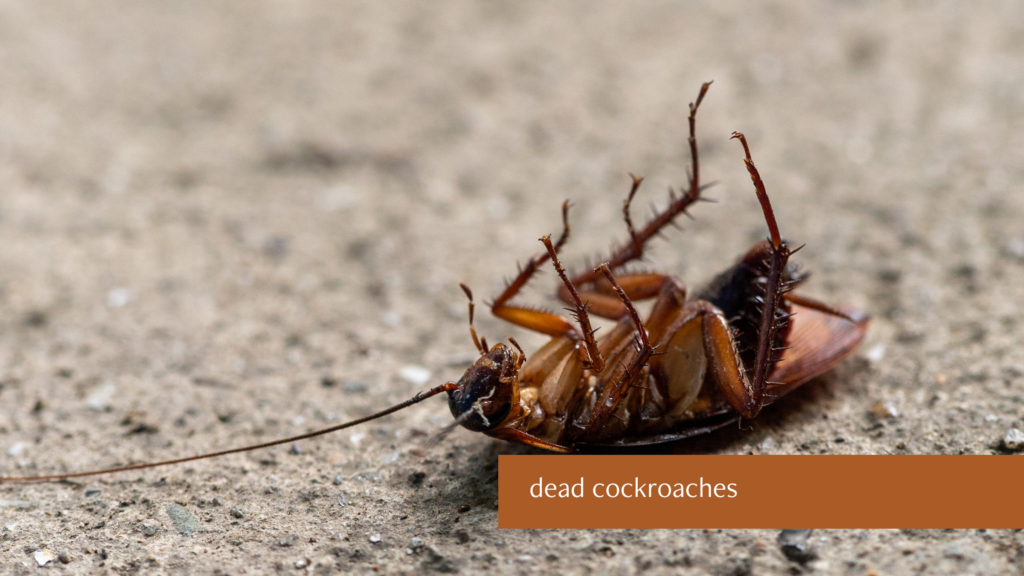
Live or dead cockroaches — Finding cockroaches during daylight hours, especially in kitchens or bathrooms, is a reliable indicator of a significant population hiding nearby.
Droppings — Cockroach droppings resemble small dark pepper grains or coffee grounds. German cockroach droppings are tiny and found in large quantities in corners, along baseboards, inside cabinets, and behind appliances. American cockroach droppings are larger and cylindrical.
Egg cases (oothecae) — Cockroaches produce egg cases that contain multiple eggs. These brown, capsule-shaped cases are found behind furniture, inside cabinets, in wall voids, and under sinks. A single German cockroach egg case can contain up to 48 eggs.
Musty odor — A heavy cockroach infestation produces a distinct, oily, musty smell that becomes more noticeable as the population grows. If a room has an unexplained unpleasant odor, cockroaches may be present in significant numbers.
Smear marks — In areas with moisture, cockroaches leave dark, irregular smear marks along walls, baseboards, and surfaces where they travel regularly.
Shed skins — Cockroaches shed their exoskeletons as they grow. Finding shed skins in hidden areas of your home is a clear sign of an active infestation.
The Centers for Disease Control and Prevention (CDC) identifies cockroaches as major contributors to indoor allergen levels and links cockroach exposure to increased rates of asthma attacks, particularly in children. Their droppings, shed skins, and saliva are potent allergens. Beyond allergens, cockroaches carry and transfer bacteria including Salmonella and E. coli on their bodies and in their droppings, making rapid response to any infestation a genuine health priority.
What Causes Cockroaches to Invade Tampa Homes
Cockroaches do not randomly choose homes to infest. They are drawn in by specific conditions that your property may be providing without you realizing it.
Moisture and water sources — Leaky pipes, dripping faucets, clogged gutters, and areas of standing water are major attractants. American cockroaches in particular are strongly associated with moisture and are frequently found around plumbing.
Food availability — Unsealed food containers, crumbs under appliances, grease buildup on stovetops and behind stoves, uncovered trash cans, and even pet food left out overnight are all food sources cockroaches exploit.
Clutter and harborage — Stacks of cardboard, paper bags, old newspapers, and cluttered storage areas provide ideal hiding and breeding spots. Cockroaches prefer tight, dark spaces where they can stay in contact with surfaces on multiple sides.
Entry points — Gaps around plumbing penetrations, cracks in the foundation, poorly sealed doors and windows, and openings around utility lines all provide direct entry into your home. American and Smoky Brown cockroaches frequently enter through sewer connections and drains.
Dense landscaping — Overgrown shrubs, thick mulch near the foundation, leaf litter, and woodpiles close to the exterior of your home create outdoor harborage that makes it easy for cockroaches to establish themselves before moving indoors.
Proven Fixes for a Cockroach Problem in Tampa
Sanitation and Exclusion First
Before any treatment can be fully effective, the conditions supporting the infestation need to be addressed. Fix leaky pipes and faucets, clean grease from stovetops and behind appliances, store food in airtight containers, empty trash cans regularly, and reduce clutter in storage areas. Seal gaps around pipes, utility penetrations, and door frames with caulk or foam.
Professional Treatment Methods
Consumer-grade sprays are rarely sufficient for eliminating an established cockroach infestation, especially German cockroaches. Professional pest control technicians have access to commercial-grade products and application methods that are significantly more effective. According to the Environmental Protection Agency (EPA), a combination of approaches delivers the best results:
Gel baiting targets cockroaches in the harborage areas where they actually live, rather than just the surfaces they travel across. Bait is placed precisely in cracks, crevices, and behind appliances and is shared among the colony.
Insect Growth Regulators (IGRs) disrupt cockroach development and prevent nymphs from maturing into reproductive adults, breaking the breeding cycle over time.
Residual insecticide treatments applied to baseboards, under appliances, in wall voids, and around plumbing keep killing cockroaches that contact treated surfaces between professional visits.
Ongoing monitoring through follow-up visits ensures that the infestation is fully eliminated and that new activity is caught early before it becomes a reinfestation.
Frequently Asked Questions
Can cockroaches make my family sick? Yes. Cockroaches carry bacteria including Salmonella and E. coli and are a known trigger for asthma and allergy symptoms. The CDC has linked cockroach allergens to increased asthma rates, particularly in children living in infested homes.
How long does it take to get rid of a cockroach infestation? Timeframes vary depending on the species and severity of the infestation. German cockroach infestations typically require multiple treatments over 6-8 months for complete elimination. American cockroach problems tied to plumbing or sewer access may resolve more quickly once entry points are sealed.
How do I prevent cockroaches from coming back? Maintain good sanitation habits, seal entry points, fix moisture issues, and schedule regular professional perimeter treatments. A bi-monthly pest control plan from Brooks Pest Solutions provides consistent protection that prevents cockroaches from reestablishing.
How Brooks Pest Solutions Helps Tampa Homeowners
Cockroach infestations in Tampa’s climate are not a problem that resolves itself. The warm temperatures and humidity that keep cockroaches active year-round mean that without professional intervention, a small infestation will continue to grow.
Brooks Pest Solutions provides targeted, professional cockroach control for Tampa homeowners and businesses, starting with a thorough inspection that identifies the species present, the extent of the infestation, and the specific conditions contributing to the problem. A customized treatment plan is then developed using the most effective methods for your situation.
Contact Brooks Pest Solutions today to schedule your inspection and get a customized treatment plan for your Tampa home.