
Why Silverfish Love Humid Pompano Beach Homes
If silverfish keep turning up in your bathroom, laundry room, or garage, humidity is almost always the reason why. Pompano Beach’s coastal, subtropical climate creates near-ideal conditions for silverfish year-round, which is part of why South Florida homeowners report these pests more consistently than those in drier parts of the country. Understanding the connection between humidity and silverfish activity is key to keeping them out for good.
In this guide, we’ll break down why humidity attracts silverfish, which parts of a Pompano Beach home are most at risk, and how to reduce the conditions that draw them in. If silverfish have already settled into your home, Brooks Pest Solutions’ silverfish control services can help you clear them out and stop them from coming back.
Why Humidity Matters So Much to Silverfish
Silverfish are built differently than many household pests. They lack the ability to retain moisture efficiently, which means they depend on humid environments simply to survive. According to UF/IFAS Extension research, silverfish thrive in materials high in starches and cellulose, but it’s the surrounding moisture that makes those food sources accessible and habitable in the first place. Low humidity dries them out quickly, while consistently damp conditions like those found in much of Pompano Beach, allow them to feed, molt, and reproduce without interruption.
What Makes Pompano Beach Especially Humid
Pompano Beach’s coastal location means homes deal with consistently high humidity levels for most of the year, often intensified by South Florida’s rainy season and warm Atlantic air. Even well-maintained homes can develop pockets of excess moisture indoors, especially in rooms with limited airflow or where air conditioning creates condensation. This constant baseline humidity gives silverfish a far easier environment to establish themselves in compared to drier climates, where they typically stay contained to a few isolated damp areas.
The Most Humidity-Prone Spots in Pompano Beach Homes
- Bathrooms. Showers and baths generate consistent moisture, especially without proper ventilation.
- Laundry rooms. Washers, dryer vents, and utility sinks are common sources of lingering dampness.
- AC closets and air handlers. Condensation buildup around air conditioning equipment is a frequent, often overlooked humidity source.
- Garages. Poor ventilation and concrete flooring can trap moisture, particularly during Florida’s wetter months.
- Under sinks. Small leaks around plumbing fixtures create isolated damp pockets that silverfish are drawn to.
Signs Silverfish Are Taking Advantage of the Humidity
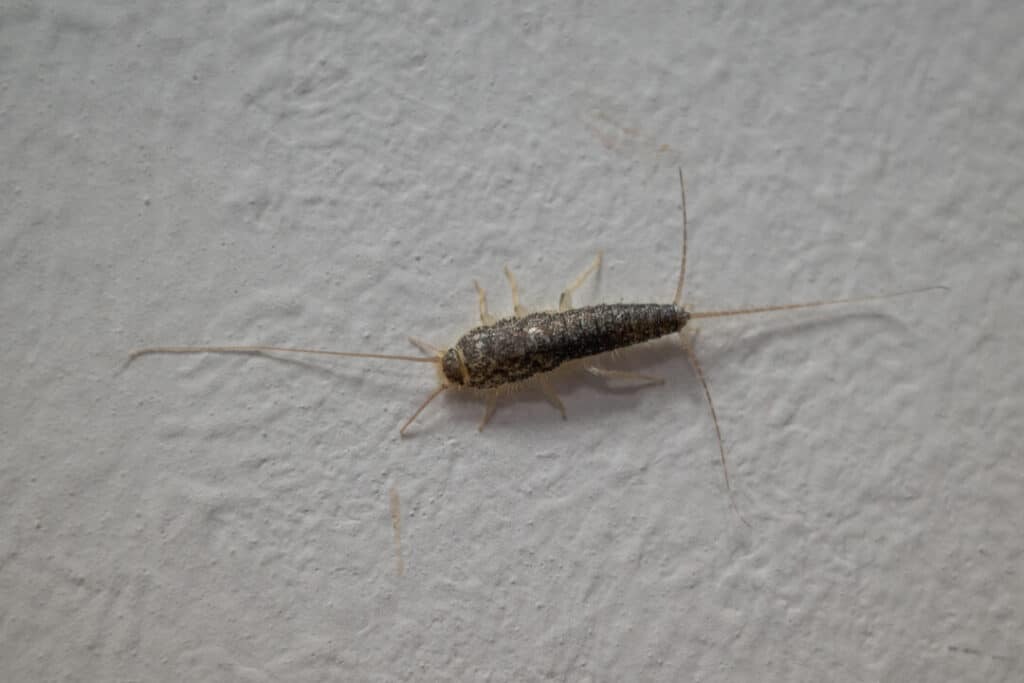
- Small, silvery, wriggling insects appearing at night in damp rooms
- Yellowish stains or tiny pits on wallpaper, paper goods, or fabric
- Pepper-like droppings near stored paper, boxes, or clothing
- Shed skins left behind after molting, often found in damp corners
- Increased activity noticeably tracking with Florida’s rainy season
How to Lower Humidity and Prevent Silverfish
- Run a dehumidifier. Target rooms that stay consistently damp, such as bathrooms, laundry rooms, and garages.
- Maintain your AC system. Regular servicing prevents condensation buildup and keeps indoor humidity more consistent.
- Use exhaust fans. Run bathroom and kitchen fans during and after use to clear excess moisture quickly.
- Improve airflow. Keep closets, garages, and storage areas ventilated rather than sealed and stagnant.
- Fix leaks immediately. Even small plumbing leaks can create the damp pockets silverfish need to thrive.
- Monitor humidity levels. A simple hygrometer can help you spot problem areas before silverfish do.
When to Call a Professional
Reducing humidity helps, but it doesn’t always eliminate an existing silverfish population, especially if they’ve spread into wall voids, insulation, or hard-to-reach storage areas. Professional treatment addresses both the visible activity and the underlying moisture conditions that allowed the infestation to take hold in the first place.
Brooks Pest Solutions’ silverfish control services are built around identifying humidity hot spots, treating active areas directly, and helping you keep conditions less favorable for silverfish long-term.
Take Control of the Humidity Silverfish Love
Silverfish don’t show up by chance, they’re responding directly to the moisture conditions in your home. If you’re noticing consistent activity, especially in damp areas, addressing both the pests and the humidity behind them is the most effective path forward.
Contact Brooks Pest Solutions today to schedule an inspection and get expert silverfish control.
Frequently Asked Questions About Silverfish Control
Why do I have more silverfish problems in Pompano Beach than I did elsewhere?
South Florida’s consistently high humidity, driven by its coastal, subtropical climate, creates far more favorable conditions for silverfish than drier regions, which is why activity tends to be more persistent here.
Does running the AC help control silverfish?
Yes, when it’s well-maintained. Air conditioning helps regulate indoor humidity, but a poorly maintained system can actually contribute to condensation and moisture buildup in certain areas.
Can silverfish survive in dry conditions?
Not for long. Silverfish rely heavily on moisture to survive, which is why lowering humidity is one of the most effective long-term prevention strategies.
Are silverfish more active during a certain time of year?
Many Pompano Beach homeowners notice increased activity during the rainy season, when outdoor and indoor humidity levels both climb.
Will a dehumidifier alone get rid of an infestation?
It can reduce the conditions silverfish need to thrive, but an established population, especially one hidden in walls or storage areas, typically requires professional treatment to fully resolve.
How often should silverfish control be scheduled in humid climates?
Given Pompano Beach’s climate, many homeowners benefit from routine or seasonal treatments rather than a one-time visit, particularly heading into the rainier months.