
What’s Bringing Ants Into Your Fort Worth Home?
If you’ve noticed ants trailing across your kitchen counter or gathering near your back door, you’re not alone. Fort Worth’s climate and landscape create plenty of opportunities for ants to make their way indoors, often before homeowners even realize a colony has settled nearby. Understanding what’s actually attracting ants is the key to stopping the problem at its source rather than just wiping out the ants you can see.
Signs You May Have an Ant Problem
- Visible ant trails along baseboards, countertops, or windowsills
- Small mounds of dirt or sand near foundations, patios, or driveway cracks
- Sawdust-like debris near wood trim or window frames
- A sudden increase in ant activity following rain or a heat wave
- Ants reappearing in the same spot despite regular cleaning
Below, we’ll break down the most common reasons ants end up inside Fort Worth homes and what you can do about it. If ants have already made themselves at home, Brooks Pest Solutions’ ant control services can help you clear them out and keep them from coming back.
1. Moisture Around Your Home
Ants need water just as much as food, and Fort Worth’s hot summers push many species to seek it out indoors. Leaky faucets, dripping AC units, poor drainage, and damp crawl spaces are some of the biggest draws. Species like carpenter ants are especially drawn to moisture-damaged wood, which is often a sign of a bigger issue than just an ant problem.
2. Food Residue and Crumbs
Even small amounts of food can be enough to draw a scout ant indoors, and once one finds a source, it lays a scent trail for the rest of the colony to follow. Sticky spills, uncovered pet food bowls, crumbs under appliances, and unsealed pantry items are common culprits. Sweet residues in particular attract species like odorous house ants, which can quickly turn a single ant sighting into a full trail across your kitchen.
3. Seasonal Weather Changes
Fort Worth’s weather swings play a big role in ant activity. During extreme summer heat, ants move indoors seeking cooler, more humid environments, while temperature drops in fall and winter send them looking for warmth near foundations, walls, and heating vents. This is why many homeowners notice ant activity spike during transitional seasons rather than staying constant year-round.
4. Landscaping Too Close to the House
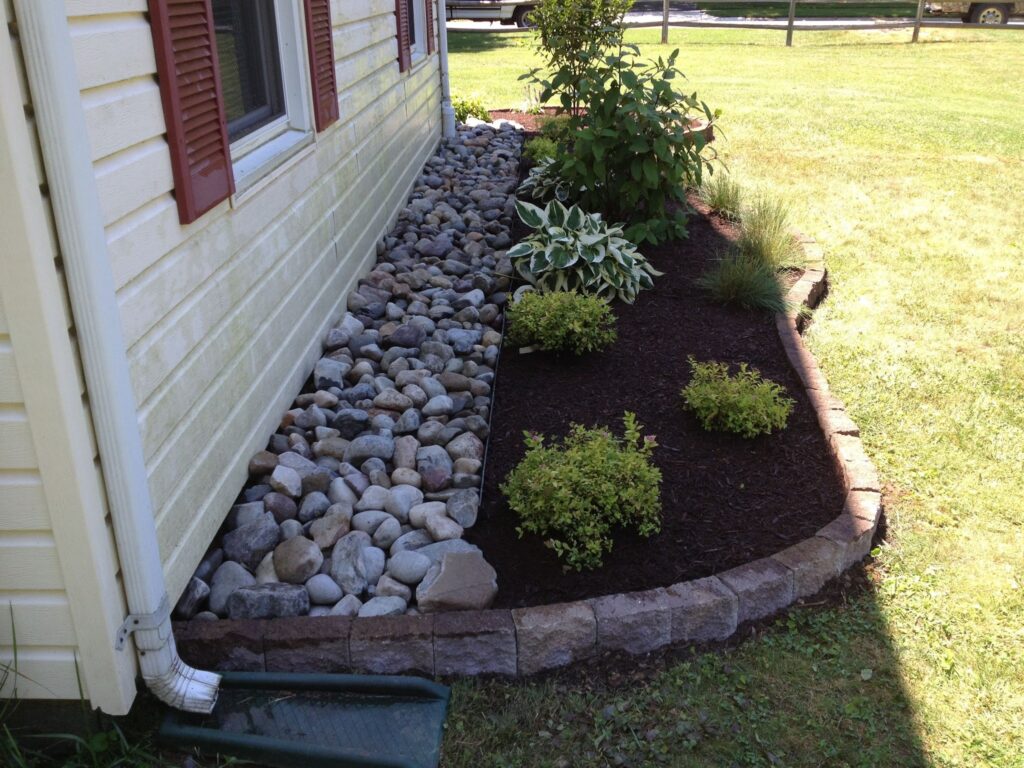
Mulch beds, dense shrubs, woodpiles, and overgrown vegetation touching your home’s exterior all give ants a direct bridge indoors. Mulch in particular retains moisture and provides shelter, making it a popular nesting spot for species like odorous house ants and pavement ants, which can then move a short distance into the structure itself.
5. Cracks, Gaps, and Entry Points
Ants can squeeze through openings far smaller than most homeowners realize. Gaps around utility lines, unsealed windows and doors, cracks in the foundation, and openings around pipes all give ants easy access. Once inside a wall void, some species like odorous house ants can establish a satellite nest without ever needing to travel far from the original colony outdoors.
6. Nearby Outdoor Colonies
Sometimes the issue isn’t anything happening inside the home at all, it’s an established colony just outside it. Fire ant mounds in the yard, pavement ant nests under walkways, or carpenter ant colonies in tree stumps can all send foraging ants toward the house in search of food or shifting conditions outdoors.
How to Make Your Home Less Attractive to Ants
- Fix leaks quickly. Address dripping pipes, faucets, and AC condensation lines.
- Store food properly. Use airtight containers and clean up spills right away.
- Pull mulch and plants back. Leave a gap between landscaping and your home’s exterior.
- Seal visible gaps. Caulk cracks around windows, doors, and utility entry points.
- Manage outdoor colonies early. Address mounds or nests in the yard before they expand toward the house.
- Schedule routine inspections. Catching activity early makes treatment simpler and faster.
When It’s Time to Call a Professional
Store-bought sprays and baits often only affect the ants you can see, leaving the nest, and the queen, untouched. A professional treatment starts by identifying the species and pinpointing where the colony is actually nesting, whether that’s inside a wall void, under a slab, or in the yard.
Brooks Pest Solutions’ ant control services are designed to do exactly that: locate the source, treat it directly, and put preventive measures in place so ants don’t find their way back in.
Don’t Let Ants Take Over Your Fort Worth Home
Ants rarely show up without a reason and once they’ve found a way in, they tend to keep coming back until the actual source is addressed. If you’re noticing consistent ant activity in or around your home, it’s worth getting ahead of it before the colony grows.
Contact Brooks Pest Solutions today to schedule an inspection and put a stop to the problem at its source.
Frequently Asked Questions About Ant Control
Why do I suddenly have ants in my house?
A sudden appearance of ants is usually tied to a change in weather, a new food or water source, or a nearby colony expanding closer to your home. Seasonal shifts in Fort Worth are an especially common trigger.
Do ants come back after I clean up the source?
Sometimes only temporarily. Cleaning removes an immediate food source, but if the colony itself hasn’t been treated, ants will typically find a new trail or entry point within the home.
Are all ants in Fort Worth homes harmful?
Not necessarily. Many household ants are more of a nuisance than a danger. It can cause structural damage if a colony is left untreated long enough.
How can I tell where the ants are coming from?
Following the trail back to its source can help, but many nests are hidden inside walls, under slabs, or underground, which is why professional inspection is often more reliable than DIY tracing.
Will pest control get rid of ants permanently?
Professional treatment significantly reduces the chances of re-infestation by targeting the colony directly, though ongoing prevention (sealing entry points, managing moisture, etc.) helps maintain long-term results.
How often should ant control be scheduled?
This varies by property, but many Fort Worth homeowners find seasonal or quarterly treatments most effective for staying ahead of new colonies, especially heading into spring and summer.