
After the Flood: What Texas Homeowners Should Know
Much of Texas is under a flood watch today, with heavy rain moving through North Texas, Central Texas, and parts of West Texas and the Panhandle. Some areas could see 2 to 4 inches of rain, with isolated spots getting as much as 6 to 9 inches before the system clears out Thursday into Friday. After months of dry, hot weather, this kind of sudden, heavy rainfall doesn’t just mean flooded roads and low-water crossings. It also tends to shake things up for pests around your home, often in ways homeowners don’t expect until a few days later.
Here’s what tends to follow flooding, and what’s worth keeping an eye on around your property once the rain moves through.
Rodents Look for Higher, Drier Ground
When burrows and nesting sites flood, rodents don’t just wait it out. They move, and a dry, sheltered home is one of the most appealing options nearby. Homeowners in flood-prone or low-lying areas often notice an uptick in rodent activity in the days following a heavy rain event, especially near garages, foundations, and any existing gaps around the exterior.
Fire Ants Raft to Safety, Often Right Onto Your Property
One of the more surprising things about flooding in Texas is what happens to fire ant colonies. When their mounds flood, fire ants link together and form a floating raft to survive, drifting until they reach dry ground. According to Texas A&M AgriLife Extension’s guide on flooding and fire ants, floodwaters won’t drown fire ants at all, and their floating colonies can look like ribbons, mats, or a solid ball of ants riding the water until they find dry land. That dry ground is sometimes a yard, a patio, or right up against a home’s foundation. These rafts should never be disturbed directly, since doing so can scatter an aggressive colony across a much wider area, including toward people or pets nearby.
Standing Water Sets Up Mosquito Season Round Two
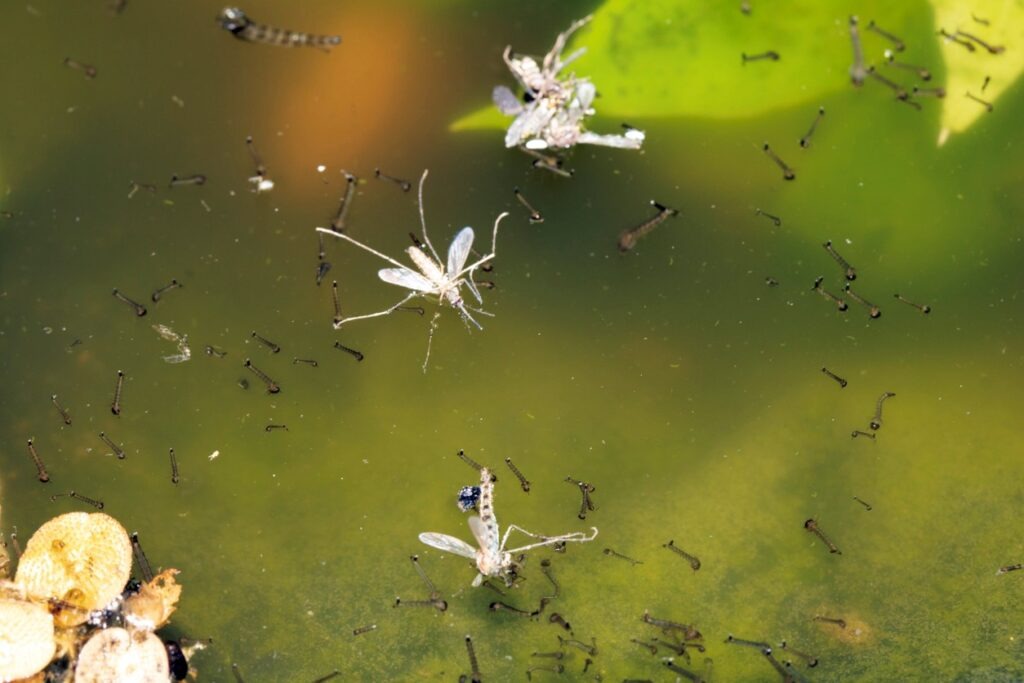
Heavy rain leaves standing water behind, in gutters, low spots in the yard, clogged drains, and anywhere else water can pool. Mosquitoes only need about a week to go from egg to adult, so a single rain event can lead to a noticeable jump in mosquito activity by the following weekend, even after the storm itself is long gone. The CDC’s guidance on mosquitoes after a hurricane or flood notes that floodwater mosquito populations can spike quickly after heavy rain, and while most of these are nuisance mosquitoes, activity from species capable of spreading illness can increase in the weeks that follow. This is especially worth watching in areas that don’t normally hold water, since new, unexpected puddles and low spots are often the ones homeowners forget to check.
Saturated Ground Can Shift Entry Points
Heavy, sustained rainfall can saturate soil around a home’s foundation, which sometimes leads to new gaps or shifting around utility lines and foundation cracks as the ground dries out. These are exactly the kinds of small openings that give rodents and other pests a way inside, often without anyone noticing until activity shows up weeks later.
What to Do Once the Rain Clears
- Walk your property for standing water once it’s safe to do so, and clear anything that’s pooling in gutters, containers, or low spots in the yard.
- Keep an eye out for fire ant rafts in flooded areas of the yard and avoid disturbing them directly.
- Watch for early signs of rodent activity indoors over the next couple of weeks, especially in garages and along exterior walls.
- If you notice new gaps or cracks around your foundation once things dry out, it’s worth getting them looked at before the next round of weather.
Frequently Asked Questions About Post-Flood Pest Activity
How soon after flooding can I expect to see pest activity change?
Some shifts happen almost immediately, like fire ants rafting to dry ground, while others, such as increased mosquito activity or rodents moving indoors, tend to show up over the following one to two weeks.
Are fire ant rafts dangerous to approach?
Yes, they should be left alone. Disturbing a raft can scatter the colony and increase the chance of ants ending up on people, pets, or elsewhere on the property.
Why do I suddenly have more mosquitoes a week after a storm, even though it’s not raining anymore?
Mosquitoes only need about a week to develop from egg to adult, so standing water left behind by a storm often leads to a noticeable increase in activity several days later, even after the rain has cleared.
Does flooding actually cause new entry points for rodents?
It can. Saturated soil around a foundation may shift slightly as it dries, sometimes creating or widening small gaps that rodents can use to get inside.
Should I be more concerned if I live near a floodplain or low-lying area?
Areas like the Trinity River floodplain and other flood-prone parts of North Texas tend to see more pronounced pest activity after heavy rain, simply because more wildlife and insect populations are displaced in those zones.
What’s the best time to schedule a pest inspection after a flood?
Once the ground has had a few days to dry out is usually ideal, since that’s when new entry points, standing water, and shifted pest activity are easiest to spot and address.
We’re Here When the Storm Clears
Flooding has a way of creating pest problems that show up days or even weeks after the rain has stopped. If you’re noticing new activity around your property once things dry out, or just want a post-storm inspection for peace of mind, Brooks Pest Solutions is ready to help.
Contact Brooks Pest Solutions today to schedule an inspection and stay ahead of whatever this week’s storms leave behind.