
Why Houston Mosquitoes Get Worse After Every Heavy Rain
You know the pattern if you live in Houston. A big storm rolls through, the sky clears, and within a week the backyard is unbearable. It happens again after the next storm, and the one after that.
The reason is not bad luck. It is how mosquito biology works along the Gulf Coast. Here is what happens after a heavy rain, why Houston is especially prone to it, and what you can do between storms.
It Starts With Eggs That Were Already There
Many people picture mosquitoes laying eggs after the storm. In reality, a lot of the eggs are already in the ground. Floodwater mosquitoes lay eggs on soil in low spots, ditches, and grassy areas. Texas A&M AgriLife entomologists explain that the eggs were placed there the previous year or during an earlier rain, and they simply wait for water to return.
The big, aggressive biters in this group include Psorophora species. Texas A&M notes they lay eggs at the edges of receding floodwaters, where the eggs will rehydrate and hatch during the next large rain. Their larvae are among the fastest growers of any mosquito.
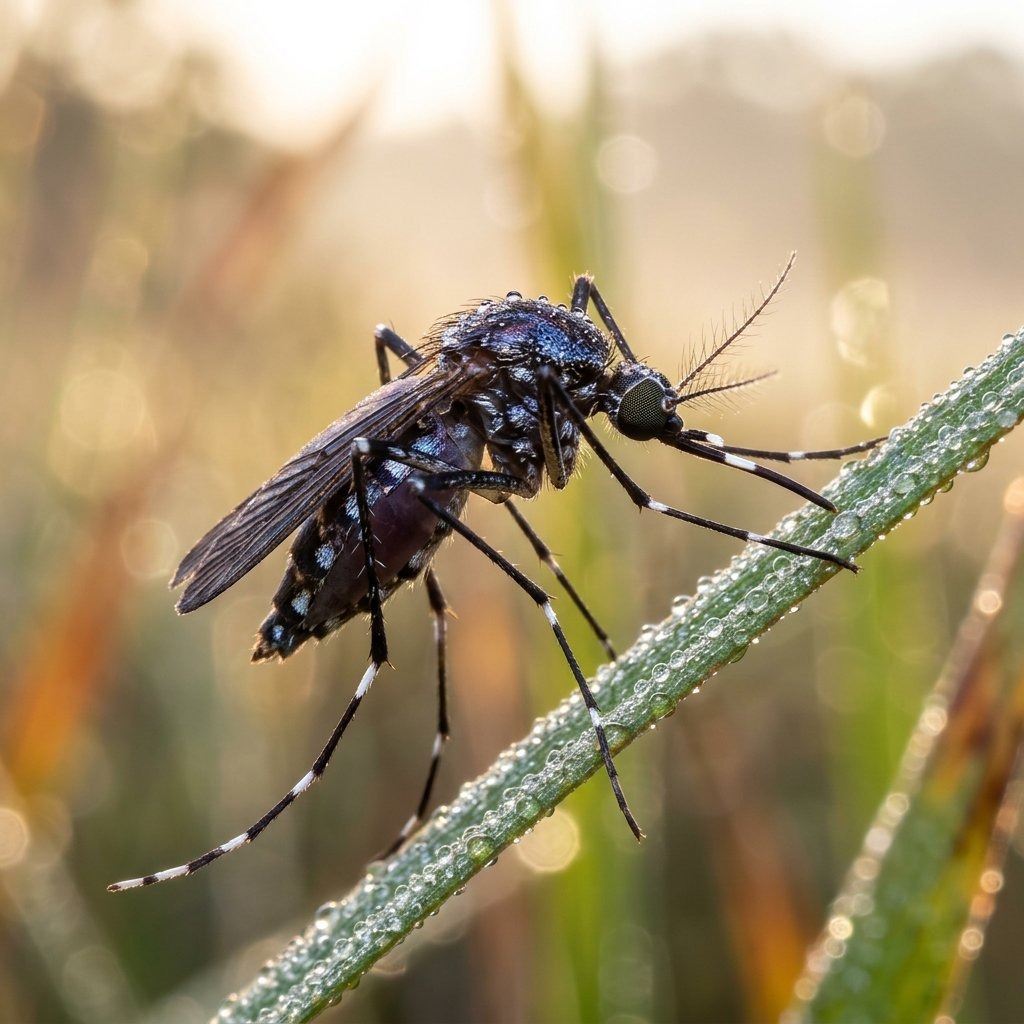
Harris County Public Health’s mosquito control director has put it plainly: after heavy rains, floods, and hurricanes, the county sees an increase in floodwater mosquitoes.
The Houston Rain-to-Mosquito Timeline
Mosquitoes tend to arrive in waves after a storm, and the waves can overlap.
- Day one to two: Rain covers dormant eggs in low spots and floodwater larvae begin to hatch.
- Day five to seven: Floodwater mosquitoes emerge in large numbers. A Houston health official has said mosquitoes typically hatch within a week after a heavy rain, and Texas A&M notes large swarms can appear five to seven days after flooding.
- Week one to two: Container mosquitoes follow, including the black and white striped Aedes species. They breed in tires, buckets, wheelbarrows, gutters, pet dishes, and anything else that holds water after the storm.
- Week two and beyond: Stagnant-water mosquitoes build up in drains, ditches, and clogged gutters. This is the group that includes Culex, the main West Nile virus carrier in the Houston area.
Why Houston Gets Hit Harder
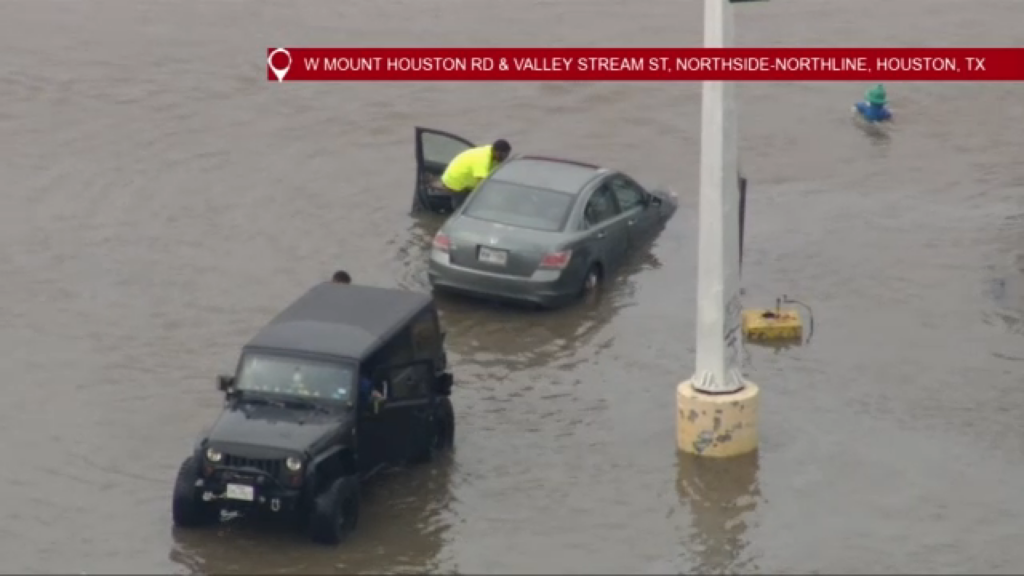
Houston is flat and low-lying, with a large network of bayous and drainage channels. Rain does not always leave quickly, and puddles and soggy ground can linger for days. Add frequent heavy rain, high humidity, and a warm climate, and the mosquito cycle has little time to slow down.
Warmth speeds things up too. In 2024, Harris County’s mosquito control director explained that warmer temperatures earlier in the year, combined with a wet late spring and early summer, accelerated the insects’ life cycle and brought on a sooner, more intense mosquito season.
Why Every Storm Resets the Clock
Eggs do not all hatch at once. Texas A&M AgriLife entomologists note that later rains can wash some larvae downstream but can also trigger more dormant eggs. So each new storm can start a fresh wave, and each rain refills the containers you emptied last week.
There is another catch. AgriLife points out that floodwater mosquitoes are good fliers and can travel many miles from their breeding sites. A tidy yard helps, but some of the mosquitoes biting you hatched somewhere else entirely.
Your After-Rain Checklist
Harris County Public Health’s advice is to tip water out of open containers, especially after rain. Here is how to put that into practice:
- Walk the yard within a day or two of every heavy rain.
- Tip out and scrub buckets, flowerpot saucers, pet bowls, and birdbaths. Eggs stick to the sides.
- Clear gutters and downspouts so water drains instead of sitting.
- Flip, cover, or toss tires, wheelbarrows, tarps, and toys.
- Fill or regrade low spots where standing water lingers for days.
- Check again three to five days later, since new containers may have filled.
- Keep screens in good repair on doors and windows.
Protect Yourself During the Surge
During the weeks after a storm, personal protection matters as much as yard cleanup. Harris County Public Health recommends long sleeves and long pants, an EPA-registered insect repellent, and reducing outdoor time at dawn and dusk when mosquito activity is high. Floodwater mosquitoes in particular are known for chasing people around, according to the county’s mosquito control director, so do not assume midday is safe.
Why a Monthly Routine Fits Houston
In a city where the rain keeps coming, one cleanup is rarely enough. Brooks Pest Solutions offers monthly, eco-friendly mosquito control in Houston. Our service uses In2Care mosquito stations, which lure egg-laying females in and spread a biological larvicide and fungus to hidden breeding spots that are hard to reach by hand. Learn more on our Houston mosquito control page or see our Houston service area.
Frequently Asked Questions About Houston Mosquitoes
How soon after rain do mosquitoes show up in Houston?
Often within about a week. Texas A&M notes large swarms can appear five to seven days after flooding.
Why are the mosquitoes after a storm so aggressive?
Many are floodwater species such as Psorophora, which are large, aggressive biters that emerge in big numbers after storms.
Do I need to worry about West Nile virus?
Harris County monitors for West Nile and other mosquito-borne viruses, and the best defense is avoiding bites and removing standing water.
Does dumping water really help if mosquitoes can fly miles?
Yes. It removes container breeders in your own yard, even though floodwater mosquitoes may still drift in from elsewhere.
Why do mosquitoes come back after every storm?
Dormant eggs hatch when water returns, and rain refills containers. Each storm can start a new wave.
What should I wear to avoid bites?
Harris County Public Health recommends long sleeves, long pants, and an EPA-registered repellent.
Stay Ahead of the Next Storm
Rain is part of life in Houston, and so are the mosquitoes that follow it. A little preparation between storms goes a long way, and our team can help.
Get in touch with Brooks Pest Solutions through our contact page or request a quote to set up monthly mosquito service for your Houston home.