
Mosquitoes in Tampa, FL: Rainy Season Survival Guide
If you live in Tampa, you know the rhythm. The afternoon storm rolls through, the sun comes back out, and a few days later you cannot step outside without getting bitten. Rainy season is mosquito season here, and this year it is getting more attention than usual.
This guide covers why Tampa’s summer rains fuel mosquitoes, why they stick around after the storms fade, and what you can do around your home.
Why Rainy Season Is Mosquito Season in Tampa
The Tampa Bay area gets about 60 percent of its yearly rainfall between June and September, according to local reporting. Mosquitoes need standing water for their egg, larva, and pupa stages, so every storm creates new places for them to breed.
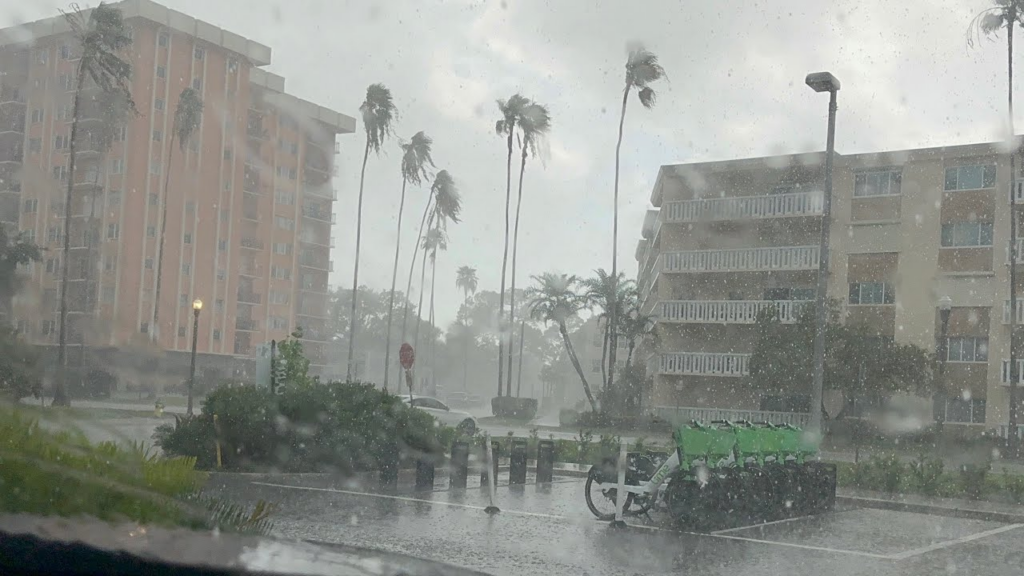
The numbers can jump fast. In July 2026, Hillsborough County Mosquito Management Services reported that one monitoring trap in South Tampa collected 18,000 mosquitoes in a single day, after returning just 142 in June. The county’s announcement of that aerial treatment tied the spike directly to increased rain.
What Is Happening in Tampa Right Now
Mosquitoes are in the news locally for a serious reason. Florida is dealing with its largest dengue outbreak on record, with more than 190 cases this year as of September 30 and most of them in Hillsborough County, according to Weather.com. Hillsborough, Pasco, and Pinellas counties have declared local states of emergency to speed up their response.
Hillsborough County crews have been treating by air and ground because county traps are showing dengue virus activity in local mosquito populations. Numbers are changing quickly, so check with local health officials for current counts. Residents can reach Hillsborough County Mosquito Management Services at (813) 635-5400.
Dengue spreads through the bite of an infected Aedes mosquito, and it does not spread directly from person to person. The takeaway for homeowners is simple: reducing mosquitoes around your house matters.
Why Mosquitoes Linger After the Rain Stops
Many people expect mosquitoes to vanish once the storms taper off. That is not how it works. The Weather.com report notes that activity typically peaks from June through September but can stay high into fall while standing water slowly dries up.
There are two reasons.
- Floodwater eggs keep hatching. Some species lay eggs on damp ground, where they wait until water covers them again. UF/IFAS explains that these eggs need to dry out first and then hatch when flooded. Every new storm can set off another wave.
- Containers keep refilling. The Asian tiger mosquito, found in all Florida counties, breeds in water-holding objects like flower vases, tires, toys, bottles, and bromeliads, according to UF/IFAS. These hold enough water to produce mosquitoes for days after a storm.
UF/IFAS entomologists have also noted that after heavy rain, mosquito numbers can stay high for a few weeks, and sometimes a month.
The Daytime Biters You Need to Watch
Many people think of mosquitoes as a dusk problem. In Tampa, the mosquitoes most linked to dengue also bite during the day. USF Health researchers advise Tampa Bay residents to remember that these mosquitoes bite in daylight too, and they live very close to people, in and around homes.
[Image: Asian tiger mosquito with striped legs. Place here.]
That means protection is not just an evening habit. Long sleeves, repellent, and screens matter during your morning yard work too.
Your After-Every-Storm Checklist
USF Health’s advice for Tampa Bay residents is simple: after it rains, look for anything holding water and dump it. Make it a routine.
- Walk the yard within a day or two of each storm.
- Dump and scrub plant saucers, buckets, toys, and pet bowls. Eggs stick to the sides.
- Clear gutters and downspouts so water drains instead of sitting.
- Check tires, tarps, boat covers, and wheelbarrows. Flip or cover them.
- Shake out bromeliads and other plants that hold water in their leaves.
- Refresh birdbaths at least once a week.
- Trim shrubs and tall grass where adult mosquitoes rest in the shade.
- Repair screens on doors, windows, and lanais.
What the County Does and What Is Up to You
County crews treat public areas, storm drains, and neighborhoods where traps show activity. They cannot reach every flowerpot saucer behind every fence. Most of the mosquitoes biting you near home were raised in small containers close by. That part of the job is yours, and it is the part that makes the biggest difference.
Why a Monthly Routine Fits Tampa
You can empty every container and still get bitten. A neighbor’s yard, a construction site, or a drainage area down the block can send mosquitoes your way. Tampa’s long wet season also means new breeding sites show up again and again.
That is why Brooks Pest Solutions offers monthly, eco-friendly mosquito control in Tampa. Our service uses In2Care mosquito stations, which lure egg-laying females in and spread a biological larvicide and fungus to hidden breeding spots. Learn more on our Tampa mosquito control page or see our mosquito control service overview.
Frequently Asked Questions About Tampa Mosquitoes
When is mosquito season in Tampa?
Activity typically peaks in the rainy season from June through September and can stay high into the fall.
Why do I still have mosquitoes after the rain stops?
Floodwater eggs can hatch after each flooding, and containers around your yard stay full for days.
Do Tampa mosquitoes bite during the day?
Yes. The mosquitoes that spread dengue bite during the day too.
How often should I check my yard for standing water?
After every rain, and at least weekly. Even a bottle cap can hold enough water to breed mosquitoes.
Does the county’s spraying solve the problem?
It helps, but it cannot reach every container on private property, so your yard still matters.
Can I stop mosquitoes completely?
No one can promise zero mosquitoes, but removing standing water, protecting yourself from bites, and staying on a routine can reduce how many you deal with.
Take Your Yard Back From the Rainy Season
Tampa’s rainy season is not going away, and neither are the questions about mosquitoes. A little routine goes a long way, and you do not have to handle it alone.
Contact Brooks Pest Solutions through our contact page or request a quote to set up monthly mosquito service for your Tampa home.