
Identifying Termites: Formosan vs. Subterranean
In the United States, termites are often referred to as “silent destroyers.” They can chew through the structural integrity of a home for years without showing a single outward sign. For homeowners in warm, humid regions, the threat is even greater.
While all termites are a problem, two specific types cause the most damage in residential areas: the Eastern Subterranean Termite and the Formosan Subterranean Termite. Knowing the difference between them and how to stop them is essential for protecting your biggest investment.
⚠️ Health & Safety Disclaimer
Termite infestations can severely compromise the structural safety of your home, leading to sagging floors, crumbling walls, and potential collapse. While termites do not bite humans, the mold and dust associated with their colonies can trigger allergies or respiratory issues. DIY termite treatments are rarely effective for large-scale infestations. If you suspect termite activity, it is vital to consult a licensed professional immediately to prevent further structural damage.
What Are Subterranean Termites?
All subterranean termites live in the soil. They require moisture to survive and build “mud tubes” (pencil-sized tunnels made of dirt and saliva) to travel from the ground into your home’s wood.
The Eastern Subterranean Termite
This is the most common termite found across the U.S.
- Colony Size: Typically consists of 60,000 to 1 million members.
- Damage Speed: They eat relatively slowly, but because they are so widespread, they cause billions of dollars in damage annually.
- Appearance: Soldiers have rectangular heads and large pinchers.
The Formosan Subterranean Termite
Often called the “Super Termite,” this species is an invasive type found primarily in the southern U.S. and coastal areas.
- Colony Size: Massive colonies can hold up to 10 million members.
- Damage Speed: Because their colonies are so large, they can cause significant structural damage to a home in as little as six months.
- Appearance: Soldiers have tear-drop-shaped heads and are much more aggressive than the Eastern variety.
Key Differences in Foraging and Nesting Behavior
Understanding how these two species operate can help you identify which one is threatening your property. While they share some similarities, their biological “blueprints” are quite different.
Nesting Locations
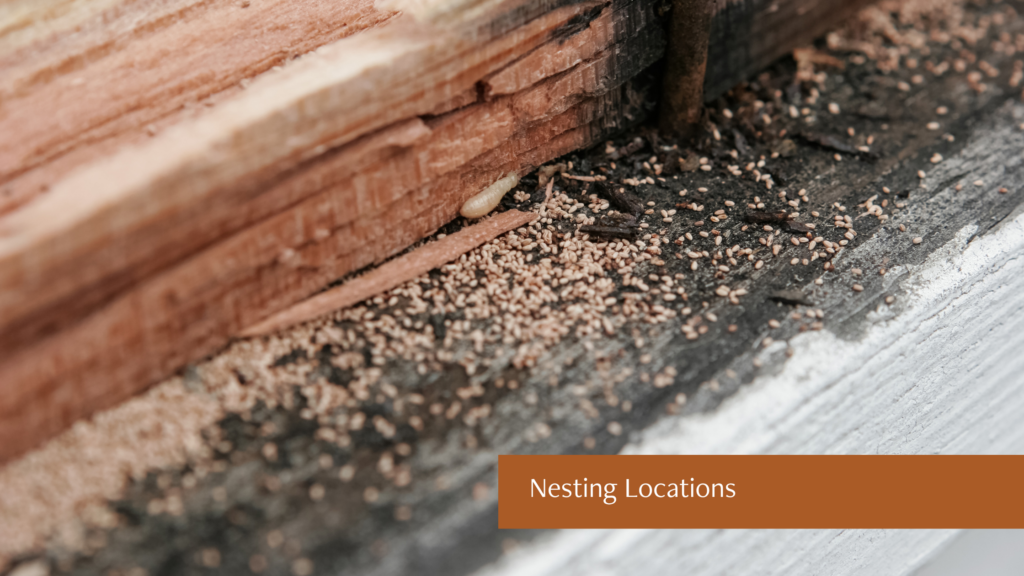
- Eastern Subterranean: These termites are strictly ground-dwellers. They must return to the soil frequently to maintain their moisture levels. If they lose contact with the ground, they will dry out and die.
- Formosan Subterranean: These are much more versatile. While they start in the ground, they can build “carton” nests (made of soil, chewed wood, and waste) inside walls or on roofs. These nests can hold enough moisture to allow the colony to survive without ever returning to the soil.
Foraging Range
- Eastern Subterranean: A single colony usually occupies a relatively small territory, focusing on one or two food sources near their nest.
- Formosan Subterranean: A single colony can forage across an entire acre of land. They are highly mobile and can attack multiple structures in a neighborhood simultaneously.
Swarming Patterns
- Eastern Subterranean: These typically swarm during the day, usually in the spring after a rainstorm.
- Formosan Subterranean: These prefer to swarm at night, specifically in the late spring or early summer. They are highly attracted to porch lights and street lamps.
The Sentricon® Solution: A Better Way to Protect
Traditional termite treatments often involve pumping hundreds of gallons of liquid chemicals into the soil around your foundation. However, modern technology has given us a cleaner, smarter, and more effective option: the Sentricon® System with Always Active™ technology.
How Sentricon Works
Instead of a liquid barrier, Sentricon uses bait stations placed strategically around the perimeter of your home.
- Detection: Termites prefer the bait inside these stations even more than they prefer wood.
- Elimination: When termites find the bait, they share it with the rest of the colony.
- Colony Collapse: The active ingredient prevents termites from molting. If they can’t molt, they die. This effectively kills the entire colony, including the queen.
According to the EPA, baiting systems like Sentricon are a highly effective and environmentally responsible way to manage termite populations because they use very little active ingredient and target only the pests.
Why Professional Pest Control is Vital
Termites are masters of disguise. They often hide inside walls, behind siding, and under floorboards. A homeowner might go years without noticing the “hollow” sound of wood or the discarded wings near a window.
At Brooks Pest Solutions, we offer a comprehensive suite of services to ensure your home remains a fortress against all types of invaders:
- Termite Protection: Utilizing the Sentricon system to provide 24/7 monitoring and colony elimination.
- General Pest Control: A perimeter defense against ants, spiders, and crickets.
- Rodent Control: Expert exclusion and removal to keep mice and rats out of your attic.
- Cockroach Extermination: Targeted treatments for the moisture-loving roaches common in the U.S.
- Mosquito & Flea Control: Yard treatments to keep your outdoor spaces safe and comfortable.
Reclaim Your Home with Brooks Pest Solutions
Whether you are dealing with the fast-moving Formosan termite or the persistent Subterranean variety, you need a team that understands the science of termite behavior. Don’t wait for the damage to become visible and expensive.
Brooks Pest Solutions provides expert inspections and the industry-leading Sentricon system to keep your property safe. We specialize in family-safe, effective, and reliable pest control services tailored to your specific needs.Protect your home before the termites move in. Contact us Today! We offer fast, local service to give you the peace of mind you deserve.