
How to Get Rid of Dallas Silverfish
Silverfish are one of the most overlooked yet persistently frustrating pests in Dallas homes. Small, fast, and largely nocturnal, they go unnoticed for months while quietly damaging books, wallpaper, clothing, and stored food. By the time most Dallas homeowners spot one, there are likely dozens more hiding in walls, attics, and bathroom cabinets nearby.
Dallas’s climate, hot summers, mild winters, and humidity levels that spike during spring and fall. Creates ideal conditions for silverfish populations to thrive year-round. Understanding what attracts them, how to eliminate them, and how to keep them from coming back is the key to protecting your home. This guide covers everything you need to know, including when it is time to call in the professionals at Brooks Pest Solutions.
What Are Silverfish?
Silverfish (Lepisma saccharina) are small, wingless insects that get their name from their silvery-gray color and the fish-like wriggling motion they use to move. They range from half an inch to three-quarters of an inch in length, have two long antennae at the front, and three tail-like appendages at the rear.
They are among the oldest insects on Earth, fossil records show silverfish have existed for over 400 million years, long before dinosaurs. That ancient lineage has made them extraordinarily resilient and adaptable, which is part of what makes them so difficult to eliminate without a strategic approach.
According to the University of California Statewide Integrated Pest Management Program, silverfish can survive for weeks without food and months without water under the right conditions. A single female can lay up to 20 eggs at a time, and populations grow rapidly when conditions are favorable.
Why Dallas Homes Are Vulnerable to Silverfish
Dallas sits in a humid subtropical climate zone with long, hot summers and mild winters that rarely drop cold enough to kill off pest populations. Silverfish thrive in environments with:
- High humidity: They prefer relative humidity between 75 and 95 percent. Bathrooms, kitchens, laundry rooms, and crawl spaces in Dallas homes regularly hit these levels.
- Warm temperatures: Dallas rarely sees the sustained freezes that would naturally reduce silverfish populations.
- Abundant food sources: Silverfish feed on carbohydrates and proteins found in paper, cardboard, book bindings, wallpaper paste, fabric, dried food products, and even dead insects.
- Dark, undisturbed spaces: Attics, wall voids, storage boxes, and rarely-opened closets give silverfish the undisturbed harborage they need to breed and expand.
The combination of Dallas’s climate and the typical contents of a home, books, documents, stored clothing and pantry items makes silverfish a common and persistent problem across the DFW area.
Signs You Have a Silverfish Infestation
Because silverfish are nocturnal and fast-moving, most homeowners do not spot the insects themselves until populations are already significant. Watch for these warning signs:
Irregular feeding damage. Silverfish leave behind irregular, scraped-out holes or surface etchings on paper, book covers, cardboard, and wallpaper. Unlike chewing insects, they scrape the surface layer off materials rather than cutting through them cleanly.
Yellow stains or scales. Silverfish shed their exoskeleton throughout their lives. Tiny, pepper-like scales and yellowish staining on paper, fabric, or shelving are a strong indicator of activity.
Feces. Silverfish droppings resemble tiny black pepper specks or small, round pellets. They are typically found near feeding areas, inside boxes, along bookshelves, or in pantry corners.
Live sightings. If you spot a silverfish in the bathroom, kitchen sink, or bathtub, it has likely fallen in while foraging and cannot climb the slick surface to escape. A single daytime sighting usually points to a larger hidden population.
How to Get Rid of Silverfish in Dallas: Proven Strategies
1. Reduce Indoor Humidity
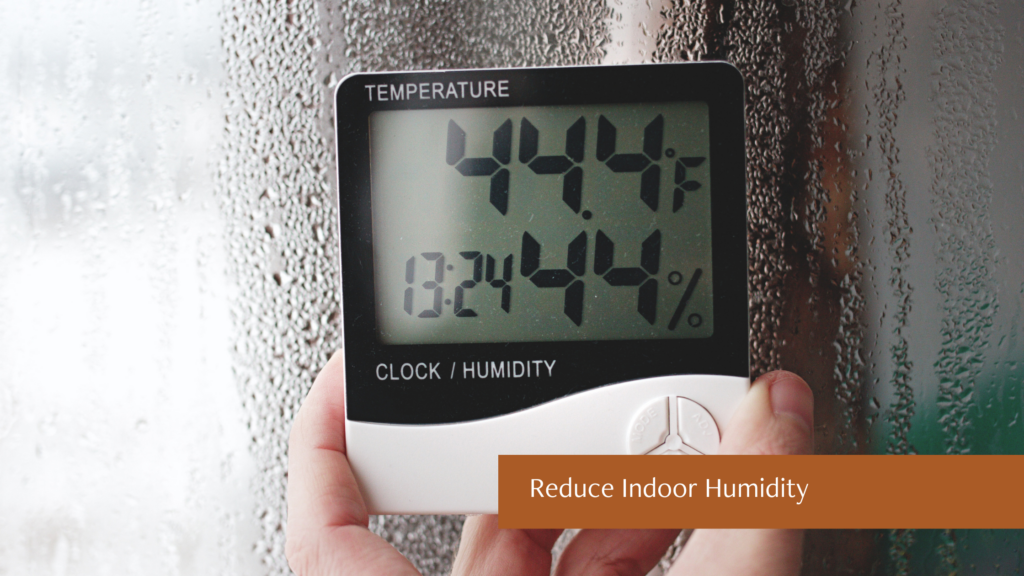
Since silverfish depend on moisture to survive and reproduce, humidity control is the single most effective preventive measure you can take. Use dehumidifiers in basements, crawl spaces, and laundry rooms to keep indoor humidity below 50 percent. Run bathroom exhaust fans during and after showers. Fix leaky pipes and faucets promptly.
The Environmental Protection Agency (EPA) recommends keeping indoor humidity between 30 and 50 percent, a range that is inhospitable to silverfish, mold, and many other household pests simultaneously.
2. Eliminate Food and Harborage Sources
Decluttering is one of the most impactful steps a homeowner can take against silverfish. Go through storage areas and remove or consolidate cardboard boxes, stacks of old newspapers and magazines, and unused clothing. Replace cardboard storage boxes with sealed plastic containers, which silverfish cannot chew through.
Store pantry items, especially grains, flour, cereals, and dried pasta in airtight containers. Silverfish are attracted to the starches in these foods and can easily get into loosely sealed packaging.
3. Seal Entry Points
Silverfish enter homes through gaps around plumbing penetrations, cracks in the foundation, gaps around window frames, and spaces around utility lines. Inspect these areas carefully and seal any openings with caulk or foam sealant. Pay particular attention to areas where pipes enter walls under sinks and in bathrooms, as these are common silverfish entry points.
4. Apply Diatomaceous Earth in Target Areas
Food-grade diatomaceous earth (DE) is a naturally occurring powder made from fossilized algae that damages the exoskeleton of insects on contact, causing dehydration and death. It is non-toxic to people and pets and can be applied along baseboards, inside wall voids, in attic spaces, and beneath appliances where silverfish travel.
While DE is effective as part of a broader strategy, it works slowly and must remain dry to be effective. It is best used as a supplemental measure alongside other treatments.
5. Use Sticky Traps for Monitoring
Sticky glue traps placed along baseboards, behind appliances, inside cabinets, and in attic access areas serve two purposes: they catch silverfish and they help you identify where the highest activity is occurring. This information is valuable whether you are managing the problem yourself or working with a pest control professional to target treatments effectively.
6. Apply Residual Insecticide Treatments
Consumer-grade liquid or aerosol insecticides labeled for silverfish can provide short-term knockdown when applied to cracks, crevices, and wall voids. However, over-the-counter products are generally lower concentration than professional-grade formulations and rarely penetrate deeply enough into harborage areas to eliminate an established population entirely.
For persistent or widespread silverfish infestations, professional residual treatments applied by a licensed technician, reaching into wall voids, attic spaces, and sub-floor areas are significantly more effective.
Preventing Silverfish from Coming Back
Eliminating a silverfish infestation is only half the job. Keeping them from returning requires ongoing attention to the conditions that attracted them in the first place:
- Maintain indoor humidity below 50 percent year-round
- Store paper, books, and documents in sealed plastic containers or off-site
- Inspect attic insulation and crawl spaces annually for moisture damage
- Seal new cracks and gaps in the building envelope as they appear
- Schedule regular professional perimeter pest treatments to prevent re-entry
Silverfish are persistent, but they are also predictable. Remove their food, their moisture, and their hiding places and back that up with professional treatment when needed, and they have nowhere left to thrive.
When to Call a Professional Pest Control Company
DIY strategies work well for minor silverfish activity caught early. But if you are seeing silverfish regularly across multiple rooms, finding ongoing damage to books, clothing, or wallpaper, or have tried consumer-grade treatments without success, it is time to bring in a professional.
Licensed silverfish pest control technicians bring several advantages to silverfish elimination:
- Commercial-grade products with higher concentrations and longer residual activity than anything available in stores
- Access to harborage areas including wall voids, attic spaces, and sub-floor zones that consumer products cannot effectively reach
- Accurate identification of conducive conditions specific to your home that are sustaining the infestation
- Integrated treatment plans that combine chemical treatments with exclusion, moisture control recommendations, and follow-up visits
Brooks Pest Solutions provides professional silverfish control for Dallas homeowners with a thorough inspection process that identifies exactly where silverfish are harbouring and what conditions are allowing them to thrive. A targeted treatment plan is then built around your specific property, not a one-size-fits-all approach.
Ready to get rid of silverfish in your Dallas home for good? Contact Brooks Pest Solutions today to schedule an inspection and get a customized treatment plan built for your property.
Frequently Asked Questions About Dallas Silverfish
Are silverfish dangerous? Silverfish do not bite humans and are not known to transmit diseases. Their primary risk is property damage, they can ruin books, documents, clothing, and wallpaper over time. Large populations also contaminate pantry food items.
Why do I keep finding silverfish in my bathroom? Bathrooms provide two things silverfish need: moisture and darkness. They enter through gaps around pipes, are drawn to humid conditions, and often fall into sinks and bathtubs while foraging at night.
How long does it take to get rid of silverfish? With consistent treatment and moisture control, minor infestations can be significantly reduced within a few weeks. Established infestations in wall voids or attic spaces may take multiple professional treatments over several months to fully eliminate.
Do silverfish infestations get worse in summer in Dallas? Yes. Dallas summers bring higher indoor humidity and warmer temperatures that accelerate silverfish reproduction. Activity typically peaks in summer and early fall when humidity levels are highest.