
How Rodents Get Into Atlanta, GA Homes
Rodents rarely need much of an opening to make their way indoors, and Atlanta homes offer plenty of small, overlooked entry points for them to find. Between crawl spaces, mature tree canopies, and the seasonal temperature drops that come with a real Georgia winter, rats and mice have several reliable paths into local homes if those openings aren’t sealed. Understanding exactly how they’re getting in is the first step toward keeping them out for good.
This guide breaks down the most common entry points rodents use in Atlanta homes and what it actually takes to seal them off. If rodents have already found their way inside, Brooks Pest Solutions’ rodent control services can help you locate the source and remove them.
Why Even the Smallest Gaps Matter
According to a University of Georgia Cooperative Extension wildlife specialist, mice and rats can squeeze through openings as small as a dime, which means most homeowners underestimate just how little space a rodent actually needs. Closing off these small entry points is one of the most effective ways to prevent an infestation before it starts, since even a well-maintained home can have several of these gaps without anyone noticing.
Common Entry Points in Atlanta Homes
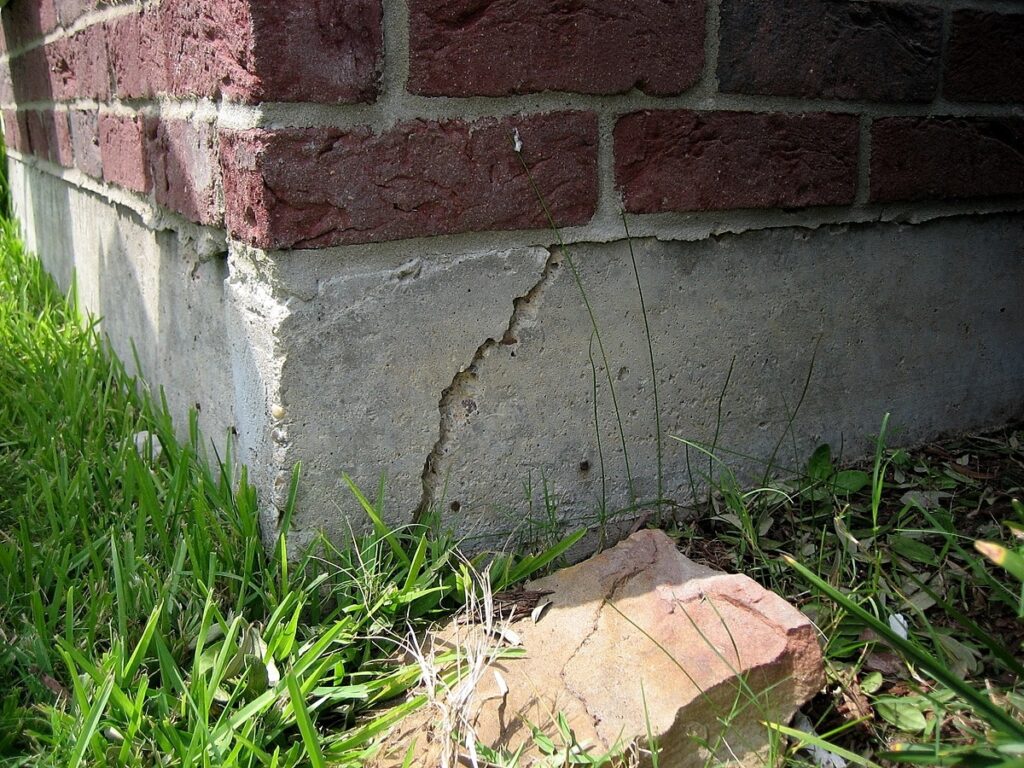
1. Foundation and Crawl Space Gaps
Atlanta’s mix of older homes and homes built on crawl spaces creates more below-grade access points than newer slab-built construction. Cracks in foundation walls, gaps around crawl space vents, and unsealed access doors all give rodents a direct route underneath the home, where they can then work their way up into walls or living spaces.
2. Rooflines, Attic Vents, and Chimneys
Roof rats are strong climbers and often use overhanging tree branches as a bridge toward the roofline, attic vents, or chimney openings. Once there, damaged or loosely fitted vent screens, warped soffits, and uncapped chimneys become easy points of entry into the attic space.
3. Utility and Pipe Penetrations
Openings around water lines, gas lines, electrical conduits, and cable or phone wiring often leave small gaps where they pass through exterior walls. These openings can widen naturally over time as materials settle, or as rodents gnaw at the edges to make room.
4. Garage Doors and Thresholds
Gaps under garage doors and exterior door thresholds are a frequently overlooked entry point, especially on doors that have shifted slightly or lost their weather seal over time. Garages also tend to store food, trash, or clutter that can make the area more appealing once rodents are inside.
5. Basement Windows and Window Wells
Basements are far more common in Atlanta than in many warmer, coastal markets, and basement windows or window wells can offer an accessible entry point if seals are worn or screens are damaged. Poor drainage around window wells can also create the kind of damp, sheltered conditions rodents are drawn to.
6. Overgrown Landscaping, Woodpiles, and Brush Piles
Wood piled directly against the house, dense brush, and overgrown vegetation all provide shelter that keeps rodents close to the home until they find a way inside. UGA Extension specifically recommends keeping firewood stored at least a foot off the ground and away from exterior walls to reduce this kind of harborage.

Why Fall and Winter Increase Entry Attempts
As temperatures drop, rodents that normally nest in grass, brush, or wooded areas around a property begin actively searching for warmer shelter, and a heated home is one of the most attractive options available. This seasonal shift is why Atlanta homeowners often notice a jump in rodent activity heading into fall and winter, even if the property hasn’t changed at all. Sealing entry points before this seasonal push begins is far more effective than trying to address an active infestation once the weather turns.
How to Rodent-Proof These Entry Points
- Seal small gaps with steel wool and caulk. Steel wool is difficult for rodents to chew through and works well when paired with caulk for a lasting seal.
- Cover vents and windows with wire mesh. Quarter-inch mesh screen over crawl space vents and basement windows blocks access without restricting airflow.
- Repair damaged weatherstripping and thresholds. Worn seals under doors are an easy fix that closes off a common entry path.
- Trim tree limbs away from the roofline. Removing this bridge limits roof rat access to attics and chimneys.
- Relocate woodpiles and clear brush. Keep firewood elevated and away from the house, and remove debris that offers shelter nearby.
- Cap chimneys and check vent screens. Confirm these openings are properly covered, especially before colder months arrive.
Signs Rodents Have Already Found a Way In
- Droppings near food storage, along walls, or in attics and basements
- Gnaw marks on food packaging, wiring, or wood
- Scratching or scurrying sounds, especially at night
- Grease or rub marks along frequently used walls or entry points
- Nesting material made from shredded paper, fabric, or insulation
When to Call a Professional
Finding every possible entry point on a home can be difficult without a trained eye, especially in older Atlanta homes with more complex crawl spaces, additions, or aging exterior materials. A professional inspection identifies not just where rodents are getting in, but where they’ve already established themselves, which is important since sealing entry points without addressing an existing population simply traps the problem inside.
Brooks Pest Solutions’ rodent control services are built around locating both active entry points and existing rodent activity, then closing off access so the problem doesn’t return once the weather cools.
Close the Gaps Before Rodents Find Them
Rodents are persistent, and a home with even a few small, unsealed openings is an easy target once cooler weather sets in. Taking the time to inspect and seal common entry points now is one of the most effective ways to avoid a bigger problem later in the season.
Contact Brooks Pest Solutions today to schedule an inspection and find out exactly how rodents might be getting into your Atlanta home. Learn more about our rodent control services here.
Frequently Asked Questions About Rodent Control
How small of a gap can rodents actually use to get inside?
Mice can fit through openings as small as a quarter inch, roughly the size of a dime, while rats generally need a gap closer to a half inch.
Why do I suddenly have rodents when I didn’t before?
Seasonal changes are a common trigger. As temperatures drop, rodents that were previously living outdoors begin actively seeking warmer shelter, often for the first time that year.
Are basements more vulnerable to rodent entry than other parts of the house?
They can be, especially in older Atlanta homes, since basement windows, window wells, and foundation gaps offer accessible, below-grade entry points that aren’t always sealed as thoroughly as living spaces.
Does trimming trees really make a difference?
Yes. Roof rats commonly use overhanging branches to reach rooflines and attic vents, so removing that access point significantly reduces one of their most common entry paths.
Can I seal entry points myself?
Basic gaps can often be sealed with steel wool, caulk, and mesh screening, but larger structural gaps or an already established infestation typically call for a more thorough professional inspection.
How does professional rodent control address entry points specifically?
Treatment typically involves a full exterior inspection to identify current and potential entry points, removing any existing rodent activity, and sealing access points using materials rodents can’t easily chew through.