
Mosquitoes in Orlando, FL_ Signs of a Nearby Breeding Site
You cleaned up the yard, you sprayed the patio, and the mosquitoes are still there. That usually means one thing: they are not just visiting. They are being raised somewhere close by.
In Orlando, finding that spot is the fastest way to cut down on bites. Here are the signs that a breeding site is nearby, where to look, and what to do if you cannot find it.
Why the Breeding Site Matters So Much
The mosquito most Orlando homeowners fight is Aedes aegypti, which breeds in small containers and bites during the day. Day-biting container mosquitoes do not travel far. UGA Extension notes they generally stay within about 100 to 300 yards of where they developed. So if you are being bitten at home, the source is likely in your yard or a neighbor’s.
Even a tiny amount of water is enough. Orange County Mosquito Control says the dengue-carrying mosquito can breed in a bottle cap holding water.
What Is Happening in Orange County Right Now
This is not just a comfort issue this fall. As of October 12, Orange County reports five locally acquired dengue cases, and the county declared a mosquito-borne illness alert last month. County mosquito control has announced aerial spraying over the next two to three weeks in the Apopka and Pine Hills areas, with residents notified at least 48 hours ahead. Case numbers change quickly, so check with local health officials for current counts.
County crews can treat public areas, but they cannot reach every container in every backyard. That part is up to us.
Seven Signs of a Nearby Breeding Site
- You get bitten in the daytime near the house. Bites while gardening, at the pool, or on the porch point to container-breeding mosquitoes close by, since Aedes aegypti bites throughout the day.
- The same shady spot is always swarming. Mosquitoes rest in shaded, humid spots, so a persistent cloud near a hedge or corner is a clue.
- You can see wigglers. Tiny larvae that wriggle when disturbed mean mosquitoes are developing in that water right now. Check any container with stagnant water.
- They return within days of rain or watering. Aedes aegypti eggs can survive dry spells and hatch when water covers them again, so a yard can look clear one week and busy the next.
- Mosquitoes show up indoors, on the lanai, or in the garage. Bites in these spaces usually mean the breeding site is right outside.
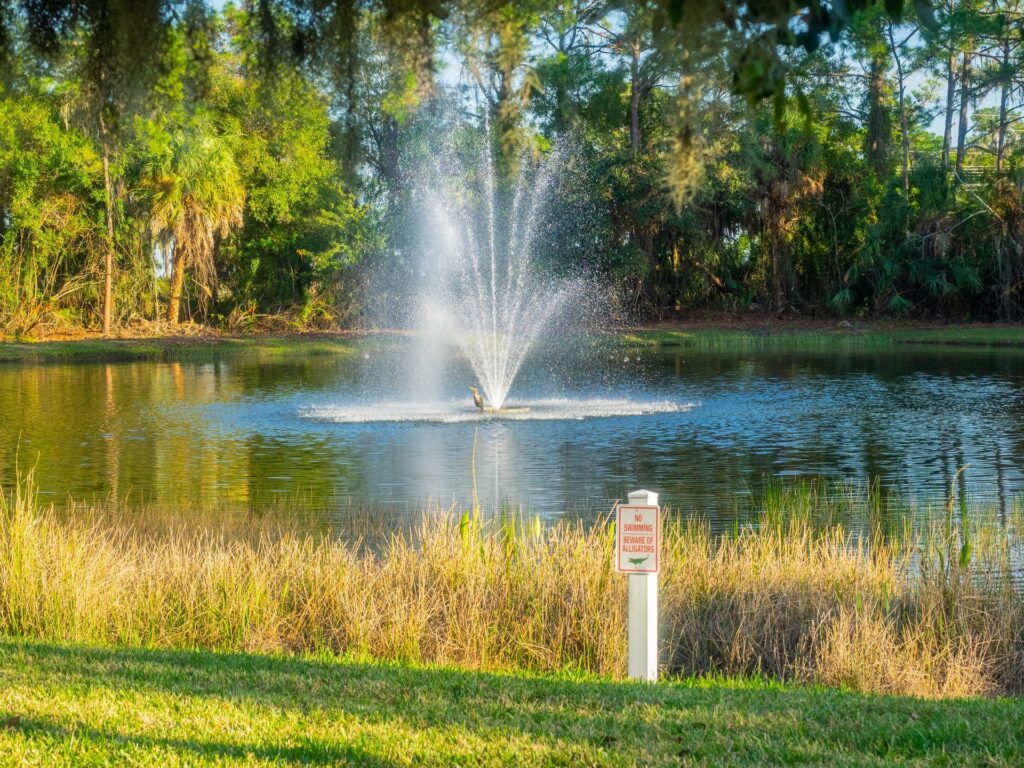
- You see dusk swarms near ponds, ditches, or drains. Nighttime biters such as Culex favor stagnant water, including neglected retention ponds and clogged drainage.
- Your yard is clean, but you are still bitten. A neighbor’s pool cover, boat, or flowerpot saucers may be the source.
Where to Look
Walk the property slowly and check these hidden spots:
- Plant saucers and flowerpots
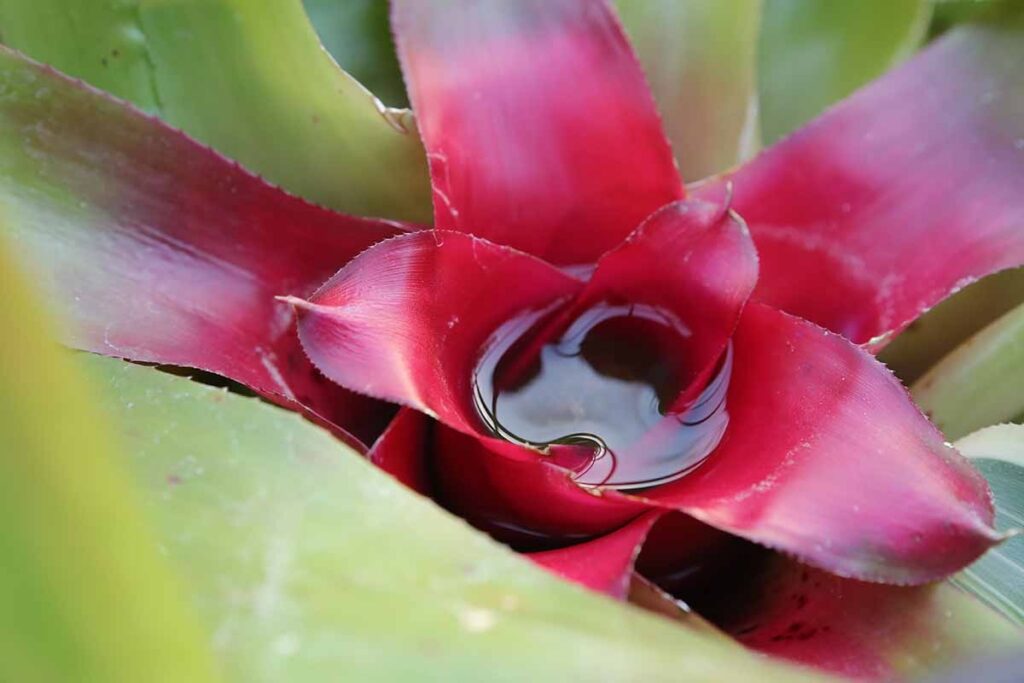
- Bromeliads and other plants that hold water in their leaves
- Clogged gutters and downspouts
- Birdbaths and pet bowls
- Pool covers, tarps, and boat covers that collect rain
- Buckets, wheelbarrows, and children’s toys
- Low spots near sprinkler heads and drip lines
- Drains, drainage swales, and the edges of retention ponds
- Old tires and any container that holds even a little water
A Ten-Minute Source Check
Orange County’s advice is simple: tip, toss, or cover anything holding standing water.
- Walk the yard in the morning when shade makes mosquitoes easy to spot.
- Tip out every container you find, then scrub it. Eggs stick to the sides.
- Toss or cover anything you do not need, such as old buckets, tires, and loose tarps.
- Flush bromeliads and refresh birdbaths weekly.
- Clear gutters so water drains instead of sitting.
- Check again a few days after rain or irrigation.
- Ask the neighbors to check theirs, since the problem rarely stops at the fence.
If You Cannot Find the Source
Sometimes the breeding site is on a neighboring property, in a storm drain, or in a spot you cannot reach. You can report concerns to Orange County Mosquito Control by calling 311 and asking for Mosquito Control, or by emailing mosquitocontrol@ocfl.net with your name, phone number, and address.
You can also bring in a professional. A technician can inspect the property, identify likely breeding sites, and treat the areas where mosquitoes rest.
Why a Monthly Routine Helps
Even after you find and empty every container, new ones show up with the next rain. That is why Brooks Pest Solutions offers monthly, eco-friendly mosquito control in Orlando. Our service uses In2Care mosquito stations, which lure egg-laying females in and spread a biological larvicide and fungus to hidden breeding spots that are hard to reach by hand.
Frequently Asked Questions About Orlando Mosquito Breeding
How much water does a mosquito need to breed?
Very little. Orange County Mosquito Control says a bottle cap holding water can be enough.
How far do mosquitoes travel from their breeding site?
Day-biting container mosquitoes typically stay within about 100 to 300 yards, so the source is often close to where you are bitten.
Why do mosquitoes come back after I dump the water?
Eggs can survive dry spells and hatch when water returns. Scrubbing containers helps remove eggs stuck to the sides.
Do mosquitoes bite during the day in Orlando?
Yes. Aedes aegypti bites throughout the day, so protection is not just an evening habit.
What should I do after a rainstorm?
Walk the yard within a day or two, tip out containers, and check low spots and gutters.
Who do I call about mosquitoes in my neighborhood?
Call 311 and ask for Orange County Mosquito Control, or email mosquitocontrol@ocfl.net.
Stop Them at the Source
Mosquitoes do not appear out of nowhere. Once you know the signs of a nearby breeding site, you can track it down and shut it off. If you would like a hand, our Orlando team is ready.
Talk to Brooks Pest Solutions through our contact page or request a quote to set up monthly mosquito service for your Orlando home.