
Why Rodents Invade Tampa, FL Homes in Winter
Even though Tampa winters rarely feel cold by national standards, the seasonal dip in temperature is enough to send rodents looking for shelter indoors. Roof rats, Norway rats, and house mice are all active in Florida year round, but cooler nights, drier air, and less abundant outdoor food push many of them toward homes during the winter months. Understanding why rodents move indoors this time of year makes it much easier to keep them out before they settle in.
This guide covers why rodent activity tends to increase in Tampa homes during winter, the species most commonly involved, and what actually helps prevent an infestation. If rodents have already made their way inside, Brooks Pest Solutions’ rodent control services can help you locate and remove them safely.
Why Rodents Move Indoors When Temperatures Drop
Rodents don’t hibernate, and in Florida, they rarely slow down much at all. Research from UF/IFAS Extension notes that with winter temperatures often staying above 50 degrees in much of the state, rats and mice can remain active and continue reproducing through every season. What changes in winter isn’t so much rodent activity itself, but where that activity happens. Outdoor food sources become less reliable, vegetation thins out, and the warmth and shelter of a house become noticeably more appealing than staying outside.
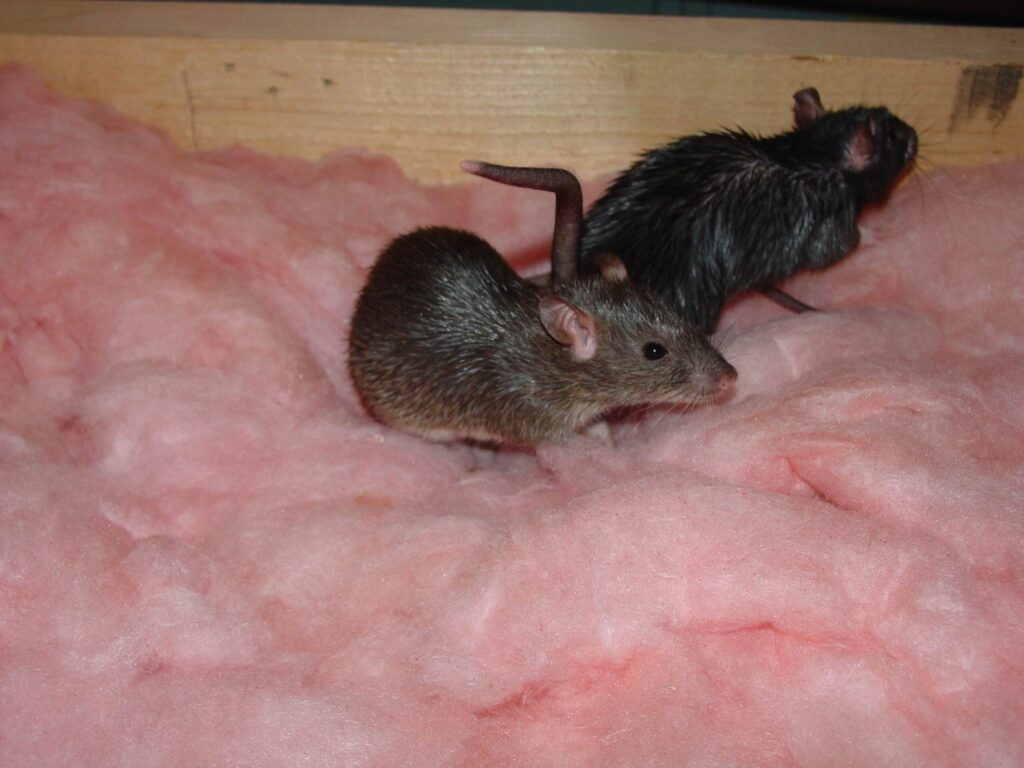
The Rodent Species Most Common in Tampa Homes
Roof rats are the dominant rodent species in the Tampa area. They’re excellent climbers, often using palm trees, oaks, and overhanging branches to reach rooflines, vents, and soffits, especially in neighborhoods with mature tree canopies. Norway rats are less common indoors but tend to show up when outdoor burrows are disturbed or flooded, often entering through gaps near the foundation. House mice are the smallest of the three and can squeeze through openings as small as a quarter inch, making them one of the easiest species to overlook until droppings or gnaw marks appear.
Common Winter Entry Points
Tampa homes offer more potential entry points than many homeowners realize, and winter is when rodents are most motivated to find them:
- Soffit damage. Gaps from age, storms, or prior wildlife activity give roof rats direct attic access.
- Roof-adjacent tree limbs. Branches touching or overhanging the roof act as bridges straight to vents and rooflines.
- Attic vent screens. These can rust, warp, or come loose over time, creating an opening that’s easy to widen.
- Utility penetrations. Gaps around pipes, wiring, and cable lines often expand as materials settle.
- Foundation and weatherstripping gaps. Florida’s humidity can cause weatherstripping to warp, leaving small but usable openings.
What Draws Rodents Indoors Specifically in Winter
Beyond shelter, rodents are also drawn in by food availability, and winter often works in their favor. Holiday cooking, guests, and looser food storage habits can leave more accessible crumbs, pet food, and pantry items out than usual. At the same time, outdoor food sources like fruit, insects, and garden vegetation become scarcer, making an accessible kitchen or pantry a far more efficient option for a rodent looking to survive the season with less effort.
Signs of a Rodent Infestation
- Droppings near food storage, cabinets, or along walls (fresh droppings appear dark and moist, older ones turn gray and crumbly)
- Gnaw marks on food packaging, wiring, or wood
- Scratching or scurrying sounds in attics or walls, especially at night
- Grease marks or rub marks along baseboards and entry points from repeated travel
- A stale, musky odor in enclosed spaces like attics or under cabinets
Health and Property Risks
Rodents carry more risk than many homeowners realize. According to UF/IFAS Extension, rats and mice can carry at least ten different kinds of diseases, including leptospirosis and bacterial food poisoning, and they contaminate significantly more food than they actually consume through droppings, urine, and shed hair. Beyond health concerns, gnawing on electrical wiring is a well-documented fire risk, and roof rats in particular can cause real structural damage in attics over time.
Winter Rodent Prevention Tips for Tampa Homeowners
- Trim tree branches. Keep limbs at least a few feet away from the roofline to remove climbing access.
- Inspect and repair soffits and vents. Replace damaged screens and seal any gaps you find.
- Seal small openings. Remember that mice need only a quarter inch gap, and rats need about a half inch, so even small cracks matter.
- Store food securely. Use airtight containers, especially during the holidays when food is more accessible.
- Manage outdoor debris. Clear fallen fruit, dense mulch, and clutter that offer shelter close to the house.
- Check attics periodically. Catching early activity before it’s fully established makes removal far simpler.
When to Call a Professional
Rodent problems tend to escalate quickly once a population establishes itself, since a single pair can reproduce many times over the course of a year. DIY traps can help with a small, isolated issue, but an established colony in an attic or wall void usually requires a more thorough approach to fully resolve, including sealing entry points correctly so the problem doesn’t simply return.
Brooks Pest Solutions rodent control services are built around identifying how rodents are getting in, removing the existing population, and helping you rodent-proof the entry points that made your home accessible in the first place.
Get Ahead of Rodents Before They Settle In
Rodents don’t need much of an opening to make themselves at home, and once they’re inside, an infestation can grow quickly. If you’re noticing any of the signs above, addressing it early is the easiest way to avoid a bigger problem later in the season.
Contact Brooks Pest Solutions today to schedule an inspection and keep rodents out of your Tampa home this winter. Learn more about our rodent control services here.
Frequently Asked Questions About Rodent Control
Why are rodents worse in winter if Tampa doesn’t get that cold?
Even a moderate temperature drop is enough to make indoor shelter more appealing, especially as outdoor food sources become less reliable during the cooler months.
What’s the most common rodent species in Tampa homes?
Roof rats are the most commonly reported species locally, largely because of their climbing ability and Tampa’s abundance of mature trees and vegetation near rooflines.
How do I know if I have mice or rats?
Droppings are one of the clearest indicators. Mouse droppings are small and rod-shaped, while rat droppings are noticeably larger and more capsule-shaped.
Are rodents dangerous to have in my home?
Yes. Beyond property damage from gnawing, rodents can carry several diseases and contaminate food and surfaces, making prompt removal important for both health and safety.
Can sealing my home completely prevent rodents?
Sealing known entry points significantly reduces risk, but ongoing landscaping maintenance (trimming branches, managing debris) is also important, since rodents are persistent and resourceful.
How does professional rodent control work?
Treatment typically involves inspecting for entry points and nesting areas, removing the existing population, and sealing access points to prevent rodents from returning.