
Silverfish in Miami, FL: Humidity’s Hidden Pest
Miami’s tropical climate makes it one of the most humid cities in the country, and that humidity does more than affect how the air feels outside. It creates the exact conditions silverfish need to thrive indoors, often without homeowners noticing until damage or droppings show up. Because silverfish are nocturnal and secretive by nature, they’re easy to overlook until a population has already established itself, which is part of why they’re often called a hidden pest.
This guide breaks down why Miami’s humidity makes silverfish such a persistent problem, where they tend to hide in local homes, and what actually helps keep them out. If silverfish have already found their way into your home, Brooks Pest Solutions’ silverfish control services can help you locate and eliminate them.
Why Silverfish Are Called a “Hidden” Pest
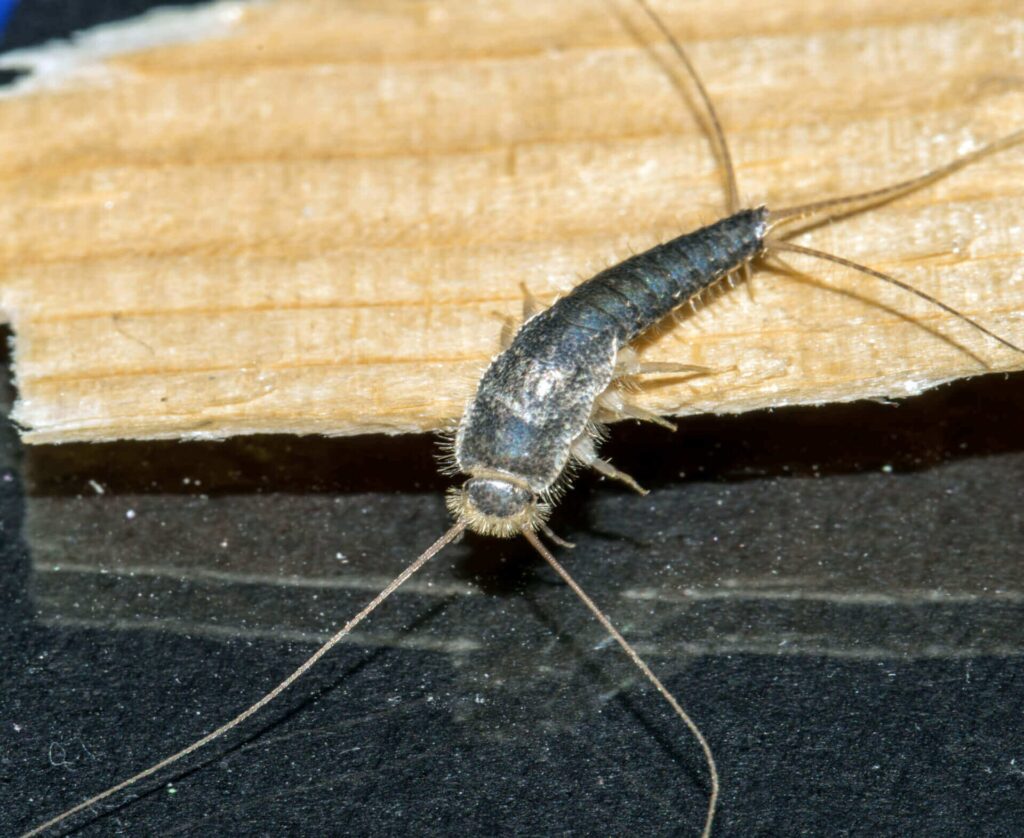
Silverfish are wingless, fast moving, and almost exclusively active at night, which means most homeowners never actually see them during the day. Instead, the first signs are usually indirect: small holes in paper, yellowish stains on fabric, or tiny droppings tucked in a closet corner. By the time these signs are noticeable, a silverfish population has often been established for a while, quietly feeding and reproducing out of sight.
Miami’s Uniquely Humid, Tropical Climate
Miami’s relative humidity often peaks near 84 percent in the early morning hours and rarely drops below the low 60s even during the driest parts of the day. Combined with a rainy season that runs from May through October, this creates a nearly constant supply of moisture in the air, both outside and inside homes that aren’t actively managing it. For silverfish, which depend on high humidity to survive and reproduce, Miami’s climate offers close to ideal conditions almost year round.
Hidden Humidity Sources Inside Miami Homes
Beyond the outdoor climate, several common features of South Florida homes create additional, less obvious humidity pockets indoors:
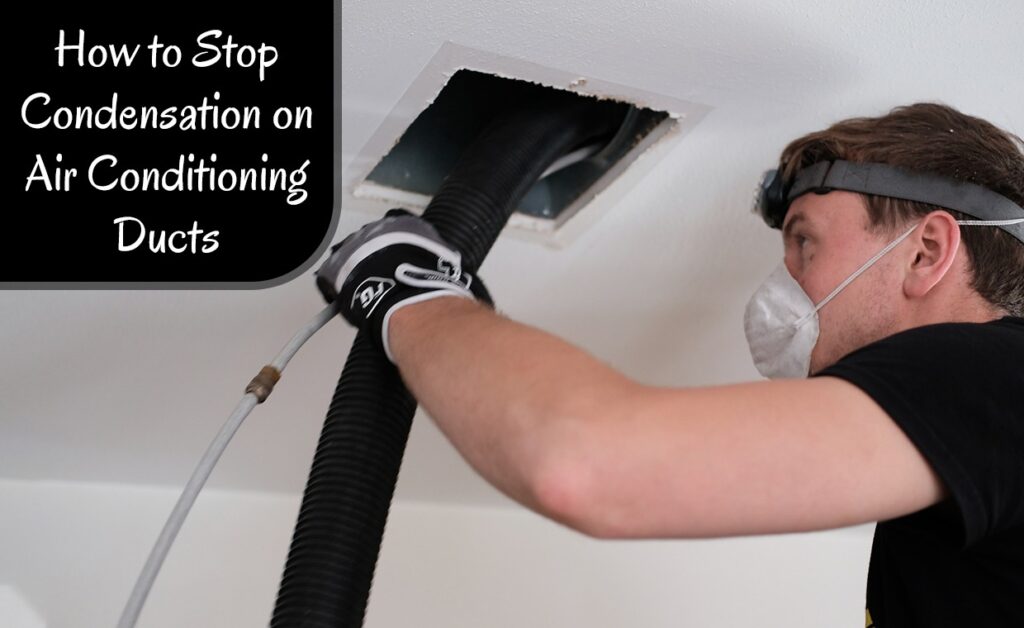
- AC condensation lines. Air conditioning systems run heavily in Miami and can create consistent condensation buildup around vents, closets, and utility areas if not properly maintained.
- Concrete block construction. Many Miami homes are built with concrete block walls (commonly known as CBS construction), which can retain moisture longer than wood-frame walls, especially in humid conditions.
- Hurricane shutters and storm prep. Shutters left closed for extended periods can trap humidity against windows and walls, creating damp pockets that go unnoticed.
- Storm-related water intrusion. Heavy rain and tropical storms can introduce small amounts of water through roofing, window seals, or foundation cracks, often without an obvious leak ever being identified.
Where Silverfish Hide in Miami Homes
Given the moisture sources above, silverfish in Miami tend to concentrate in a few predictable areas. Closets and storage rooms along exterior concrete block walls, bathrooms with limited ventilation, laundry rooms, and spaces near AC units or vents are among the most common. Bookshelves, cardboard storage boxes, and stacked paper goods in these areas give silverfish both the humidity and food source they need in one place.
Signs of a Silverfish Infestation
- Small, silver-gray insects with a fish-like, wriggling movement, typically seen at night
- Yellow stains, small holes, or notches in paper, books, or fabric
- Pepper-like droppings near stored paper or cardboard
- Shed skins in closets, storage bins, or along baseboards
- Musty or damp smells in closets or storage areas, often paired with silverfish activity
Prevention Tips for Miami Homeowners
- Maintain your AC system. Regular servicing helps prevent condensation buildup around vents and closets.
- Monitor humidity indoors. A hygrometer can help you catch problem areas before silverfish do, especially in interior closets and storage rooms.
- Ventilate bathrooms and laundry rooms. Run exhaust fans during and after use to clear excess moisture.
- Inspect after storms. Check window seals, roofing, and foundation areas for water intrusion following heavy rain or tropical weather.
- Store items in sealed containers. Keep paper, cardboard, and clothing off open shelving in humid storage areas.
- Air out storm shutters. Open shutters when possible to prevent trapped humidity against windows and walls.
When to Call a Professional
Because silverfish hide well and reproduce continuously in favorable conditions, an infestation is often more established than it appears from visible signs alone. DIY steps like dehumidifying a closet or sealing a crack can help, but they rarely address a population that’s already spread through wall voids or storage areas.
Brooks Pest Solutions‘ silverfish control services are designed to locate hidden nesting areas, treat them directly, and help you manage the humidity sources that made your home attractive to silverfish in the first place.
Don’t Let Humidity Hide a Silverfish Problem
Silverfish thrive precisely because they’re easy to miss, and Miami’s humidity gives them plenty of opportunity to settle in undetected. If you’ve noticed any of the signs above, addressing both the pests and the moisture behind them is the most effective way forward.
Contact Brooks Pest Solutions today to schedule an inspection and get expert help identifying hidden silverfish activity in your Miami home. Learn more about our silverfish control services here.
Frequently Asked Questions About Silverfish Control
Why does Miami seem to have more silverfish activity than other cities?
Miami’s consistently high humidity, driven by its tropical climate and long rainy season, creates favorable conditions for silverfish nearly year round, unlike drier or more seasonal climates.
Do concrete block homes get silverfish more than wood-frame homes?
Concrete block construction can retain moisture longer in certain conditions, which may create more humid pockets indoors, though silverfish can establish themselves in either type of construction if humidity is present.
Can hurricane season make a silverfish problem worse?
Yes. Storm-related water intrusion and extended periods with shutters closed can both increase indoor humidity, creating more favorable conditions for silverfish.
Are silverfish dangerous to my health?
No. Silverfish don’t bite, sting, or spread disease. Their main impact is damage to paper, fabric, and other cellulose-based materials.
How can I tell if silverfish are hiding somewhere I can’t see?
Indirect signs, like droppings, shed skins, or damage to stored paper and fabric, are often the clearest indicators, since silverfish themselves are rarely seen during the day.
How does professional silverfish treatment work in humid climates like Miami’s?
Treatment typically involves locating nesting and activity areas, applying targeted treatment, and identifying humidity sources (AC issues, storm damage, poor ventilation) that need to be addressed for lasting results.