
Termite Warning Signs Every Atlanta Homeowner Sees
Termites cause more structural damage to American homes than fires, floods, and storms combined, and Atlanta homeowners are among the most at-risk in the entire country. Georgia sits in what the pest control industry classifies as a “moderate to heavy” termite infestation zone, and the warm, humid climate of the Atlanta metro area keeps termite colonies active for most of the year. The problem is not just the damage termites cause, it is how silently and invisibly they cause it.
Most homeowners do not realize they have a termite problem until significant structural damage has already occurred. Knowing the warning signs early can save you thousands of dollars in repairs and protect one of your most valuable assets. This guide walks through the most common termite warning signs Atlanta homeowners encounter, which termite species to watch for, and how Brooks Pest Solutions can help you stay protected.
Why Atlanta Is a High-Risk Termite City
Atlanta’s climate is essentially ideal for termite survival and reproduction. Long, warm summers, mild winters that rarely drop cold enough to freeze the ground, and consistently high humidity give termite colonies the conditions they need to thrive year-round. The red clay soil common throughout the Atlanta metro area also retains moisture exceptionally well, which subterranean termites, the most destructive species in Georgia depend on for colony survival.
The University of Georgia Extension Service consistently identifies the Eastern Subterranean Termite as the primary structural pest threat across Georgia, noting that virtually every property in the state is at some level of risk. The United States Department of Agriculture (USDA) estimates termites cause over $5 billion in property damage nationwide each year, damage that most standard homeowner’s insurance policies do not cover.
That financial exposure is exactly why recognizing termite warning signs early is so important for Atlanta homeowners.
The Most Common Termite Warning Signs in Atlanta
1. Mud Tubes Along Your Foundation
Mud tubes are one of the clearest and most reliable indicators of subterranean termite activity. These pencil-width tunnels are constructed by termites using soil, wood particles, and saliva, and they serve as protected highways between the termite colony underground and the wood they are feeding on inside your home.
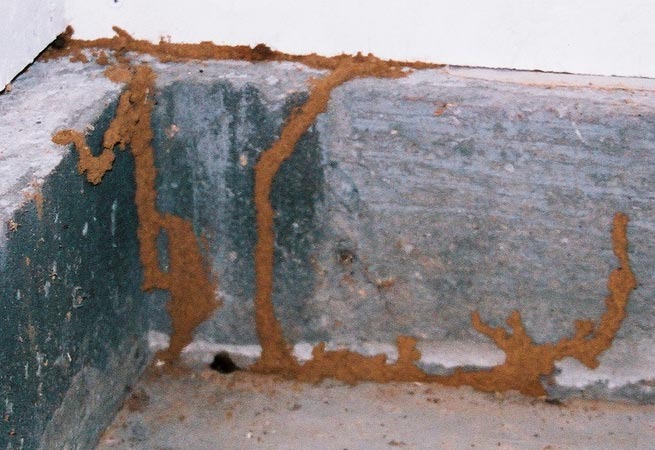
Look for mud tubes running vertically along your foundation walls, crawl space piers, basement walls, and around plumbing penetrations. They can also appear inside your home along baseboards or behind drywall. Even an old, dry mud tube that appears inactive warrants a professional inspection termites often abandon tubes temporarily before returning.
2. Swarming Termites
Termite swarms are one of the most dramatic and alarming warning signs homeowners encounter. In Atlanta, Eastern Subterranean Termites typically swarm in late winter through spring, often on warm days following rain when winged reproductive termites (called alates or swarmers) emerge from a mature colony to find mates and establish new colonies.
Seeing a swarm of winged insects inside or around your home, even briefly, is a serious red flag. Swarmers are poor fliers and die within hours, but their presence confirms an established colony nearby. According to the National Pest Management Association (NPMA), termite swarms are one of the most commonly reported first signs of a termite infestation in the Southeast.
3. Discarded Wings Near Windows and Doors
Even if you miss the swarm itself, the discarded wings swarmers leave behind are a telltale sign. After termites swarm and land, they intentionally shed their wings. You may find small piles of translucent wings near windowsills, door frames, light fixtures, and sliding glass doors.
Termite wings are uniform in size and shape, all four wings are roughly equal in length. This distinguishes them from flying ant wings, which are unequal in size. If you find discarded wings and are unsure of the source, collect a sample and have it identified by a pest control professional before assuming it is a less serious pest.
4. Hollow-Sounding or Damaged Wood
Termites feed from the inside out, consuming the soft inner layers of wood while leaving the exterior surface largely intact. This means wood that appears perfectly fine on the outside may be almost entirely hollow on the inside. Tap on walls, door frames, baseboards, and wooden structural elements with a hard object, a hollow or papery sound indicates the wood beneath may have been consumed.
In more advanced infestations, you may notice wood that blisters, buckles, or crumbles when pressed. Floors may develop a soft or springy feel underfoot. Window and door frames may begin to warp, causing windows and doors that previously fit properly to suddenly stick or become difficult to open and close.
5. Frass (Termite Droppings)
Drywood termites, a species less common than subterranean termites in Atlanta but still present push their droppings out of their nesting galleries through small holes in the wood. These droppings, called frass, look like tiny, elongated pellets and are often found in small piles resembling sawdust or pepper beneath infested wood, on windowsills, or on furniture.
Finding frass is a strong indicator of an active drywood termite infestation. Unlike subterranean termites, drywood termites do not need soil contact and can establish colonies in furniture, picture frames, hardwood floors, and structural lumber throughout the home.
6. Bubbling or Peeling Paint
Subterranean termites introduce moisture as they feed through wood, which can cause paint on walls and ceilings to bubble, peel, or blister in patterns that closely resemble water damage. Homeowners frequently mistake early termite damage for a plumbing leak or roof issue, delaying the correct diagnosis and allowing the infestation to progress.
If you notice paint damage and cannot identify an obvious water source, a professional inspection should include checking for termite activity in the affected area.
7. Tight-Fitting Doors and Windows
As termites feed through the wood in door frames, window frames, and structural supports, the moisture they produce and the damage they cause can cause wood to warp and expand. Doors and windows that suddenly require more force to open and close, or that no longer sit flush in their frames, can be an early indicator of termite activity, particularly when no other explanation such as seasonal humidity changes or water damage is evident.
Termites vs. Flying Ants: How to Tell the Difference
Termite swarmers are frequently confused with flying ants, which are also common in Atlanta. Here is how to distinguish between the two:
| Feature | Termite Swarmer | Flying Ant |
| Wings | All four wings equal in length | Front wings larger than back wings |
| Waist | Straight, no pinch | Clearly pinched waist |
| Antennae | Straight, beaded | Elbowed |
| Body color | Pale / translucent | Dark brown or black |
If you are ever uncertain about what you have found, do not attempt to treat it yourself. Contact a licensed professional for accurate identification before deciding on a course of action.
What to Do If You Spot Termite Warning Signs
If you notice any of the warning signs described in this guide, the most important step is to contact a licensed pest control professional immediately. Do not disturb mud tubes, swarmers, or damaged wood before the inspection, preserving the evidence helps the technician make an accurate assessment.
A professional termite inspection will identify the species involved, the extent of the activity, the areas of the structure that are affected, and the most appropriate treatment approach. The Georgia Department of Agriculture requires all pest control companies and technicians operating in Georgia to hold a valid state license, always verify licensing before hiring a provider.
Treatment options for Atlanta termite infestations typically include liquid soil termiticide applications, bait station monitoring systems, and for drywood termite infestations, targeted wood treatments or whole-structure fumigation. Your pest control professional will recommend the right approach based on the species, the severity, and the construction of your home.
Protect Your Atlanta Home with Brooks Pest Solutions
Termites are not a pest you can afford to ignore or address slowly. The longer an infestation goes untreated, the more extensive and costly the structural damage becomes. Early detection and prompt professional treatment are the only reliable ways to minimize that damage and protect your home’s value.
Brooks Pest Solutions provides thorough termite inspections, targeted treatments, and ongoing monitoring programs designed for Atlanta’s specific termite pressure. Every inspection goes beyond a surface-level walkthrough, technicians check crawl spaces, attics, the foundation perimeter, and all accessible structural wood to give you an accurate, complete picture of your home’s termite risk.
Whether you are seeing active warning signs or simply want the peace of mind that comes from knowing your home is protected, contact Brooks Pest Solutions today to schedule your termite inspection.