
How to Prepare Your Home for Pest Control
Discovering unwanted guests scurrying across your kitchen floor or scratching inside your walls is an unsettling experience. Your first instinct is likely to call a professional team to handle the problem immediately. However, getting the best results from your treatment requires a bit of groundwork on your part.
When you prepare your living space properly, you allow technicians to target the root of the problem without unnecessary obstacles. This simple step ensures maximum effectiveness and keeps your family safe during the process.
In this guide, we will walk you through the essential steps to get your house ready for professional pest control. You will learn how to identify your specific pest issue, tidy up your space, and take targeted actions that make the treatment process smooth and highly effective.
Identify Your Unwanted Guests
Before you start cleaning and moving furniture, it helps to know exactly what kind of problem you are facing. Different invaders require slightly different preparation methods.
At Brooks Pest Solutions, our experts handle a wide variety of local threats. Some of the most common issues we treat include:
- Ants: These tiny foragers follow food trails straight into your kitchen and pantry.
- Cockroaches: Known for spreading germs, they thrive in dark, damp areas like under sinks and behind appliances.
- Rodents: Mice and rats chew through wires, leave harmful droppings, and nest in secluded spots like attics or basements.
- Termites: These silent destroyers feed on the wooden structures of your house, causing severe structural damage over time.
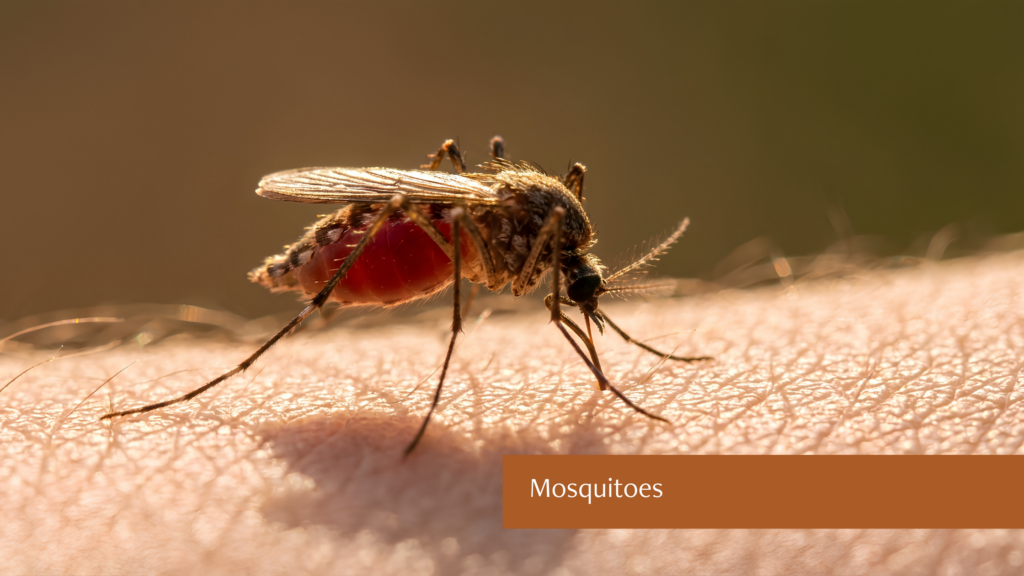
- Mosquitoes: Breeding in standing water, they turn your relaxing backyard into an itchy nightmare.
- Spiders: While some are harmless, others pose risks to your family and pets.
- Fleas and Ticks: Often brought inside by pets, these parasites bite and can carry dangerous diseases.
Knowing which pest has invaded your space helps you tailor your preparation efforts. If you are unsure what exactly is lurking in the shadows, our team can help identify the problem during the initial inspection.
General Steps to Prepare for Pest Control
No matter what type of pest control treatment you have scheduled, certain universal steps will help set the stage for success. Taking the time to follow these guidelines ensures our technicians can work efficiently and effectively.
Clean Your House Thoroughly
A clean house is your first line of defense against any infestation. Before the exterminator arrives, sweep, mop, and vacuum all the floors in your house. Pay special attention to the corners, baseboards, and areas under your furniture where dust and crumbs easily accumulate.
Wipe down all your countertops and tables to remove any sticky residues or food particles. Empty your trash cans and make sure the bins are clean and fitted with tight lids. Cleaning thoroughly not only removes existing attractants but also helps the treatment products bond better to surfaces.
Clear Out the Clutter
Clutter provides endless hiding spots for bugs and rodents. Spend some time organizing your rooms and picking up items off the floor. Store loose items like toys, magazines, and clothing in plastic bins or closets.
Cardboard boxes are particularly attractive to roaches and mice, so try to replace them with hard plastic containers whenever possible. By clearing the clutter, you give our technicians clear access to the baseboards, corners, and potential entry points they need to treat.
Secure Your Food and Water
Pests enter your living space looking for basic survival needs: food, water, and shelter. You must cut off their access to these resources before the pest control experts arrive.
Store all your pantry items, including pet food, in airtight plastic or glass containers. Do not leave dirty dishes in the sink, and wipe up any spills immediately. Check your sinks, toilets, and pipes for any slow leaks and get them fixed quickly. Removing access to food and water forces the pests to take the bait used during the treatment process.
Protect Your Pets and Children
Safety is the absolute top priority during any residential treatment. While we use eco-friendly and family-conscious solutions, it is still best practice to keep children and pets out of the immediate treatment area.
Pack away all pet bowls, chew toys, and bedding before the technician arrives. Store children’s toys, pacifiers, and clothing in sealed drawers or closets. If you have fish tanks or birdcages, cover them securely with a heavy towel or blanket to prevent any airborne particles from entering their environment.
Tailor Your Preparation by Pest Type
While general cleaning is always necessary, certain infestations require a few extra steps. Here is how you can prepare for specific types of invaders.
Preparing for a Rodent Treatment
Mice and rats are incredibly agile and can squeeze through holes the size of a dime. To prepare for a rodent visit, focus on clearing out your storage areas like the attic, basement, and garage. Move any boxes or furniture at least two feet away from the walls so technicians can inspect the perimeter and place traps effectively.
Walk around the outside of your property and look for any obvious entry points, such as gaps around pipes or cracks in the foundation. Make a note of these areas so you can point them out to your pest control technician upon arrival.
Preparing for Cockroach and Ant Treatments
Roaches and ants are highly motivated by food and moisture. Your kitchen and bathrooms are the primary battlegrounds for these pests. Empty the cabinets under your kitchen and bathroom sinks completely. This gives the exterminator full access to the pipe entry points where these bugs often hide and travel.
Remove all items from the top of your refrigerator, stove, and countertops. Pull your major appliances slightly away from the wall if possible, as roaches love the warm, dark spaces behind ovens and fridges. Scrub these hidden areas to remove grease buildup, which acts as an all-you-can-eat buffet for bugs.
Preparing for Termite Treatments
Termites require a very different approach since they live inside the structure of your house. To prepare for a termite inspection or treatment, ensure clear access to all your walls, baseboards, and crawl spaces. Move heavy furniture at least three feet away from the walls.
If the treatment involves the exterior of your property, trim back any bushes or shrubs that sit directly against your foundation. Clear away any firewood piles, mulch, or wood debris near the base of your house. Termites use these materials as a bridge to enter your home, so removing them is a crucial part of long-term prevention.
What to Do After the Treatment
Once your pest control service is complete, you might be eager to put everything back to normal. However, you need to follow a few simple rules to ensure the treatment continues working.
First, wait for any applied products to dry completely before allowing children or pets back into the treated areas. This usually takes a couple of hours, but your technician will give you specific guidelines. Do not mop or heavily wash the treated baseboards or perimeters for at least a week, as this can wash away the protective barrier.
Keep up with your cleaning habits. Wipe down counters daily, take out the trash regularly, and seal up any new cracks you find around your windows or doors. Maintaining a clean, secure environment is the best way to support the treatment and keep invaders out for good.
Get Professional Help Today
Handling an infestation on your own is stressful and rarely provides permanent results. Following these preparation steps ensures your home is ready for a highly effective professional intervention.
If you are ready to reclaim your home from stubborn invaders, reach out to the experts. The team at Brooks Pest Solutions offers targeted, eco-friendly pest control treatments designed to eliminate your problem quickly. Contact Brooks Pest Solutions today to request a quote and schedule your professional service. Your home deserves the absolute best protection available.