
Rodent & Pest Control: Early Prevention Guide
Discovering a pest in your home is more than just an inconvenience; it can be a sign of a much larger issue lurking behind your walls or under your floors. A single mouse or a few ants might seem harmless, but they can quickly lead to a full-blown infestation that threatens your property and health. This is where proactive rodent and pest control becomes essential. By taking preventative steps, you can protect your home and avoid the stress and expense of dealing with a major problem. This guide will walk you through the basics of identifying potential threats and implementing effective prevention strategies.
Why Proactive Pest Control Matters
Many homeowners wait until they see clear evidence of pests before taking action. Unfortunately, by that point, the problem is often well-established. Pests like rodents, termites, and cockroaches are experts at hiding and multiplying out of sight. A proactive approach to rodent and pest control saves you from costly repairs and potential health risks associated with infestations.
Think of it like regular maintenance on your car. You don’t wait for the engine to fail before getting an oil change. Similarly, preventative rodent and pest control involves routine checks and simple habits that keep your home secure. It’s about creating an environment that is unattractive to pests in the first place, making it your first and most effective line of defense.
Common Signs of a Pest Problem
Being able to spot the early warning signs of an infestation is a key part of effective home management. If you notice any of the following, it might be time to consider professional rodent and pest control services.
Evidence of Rodents
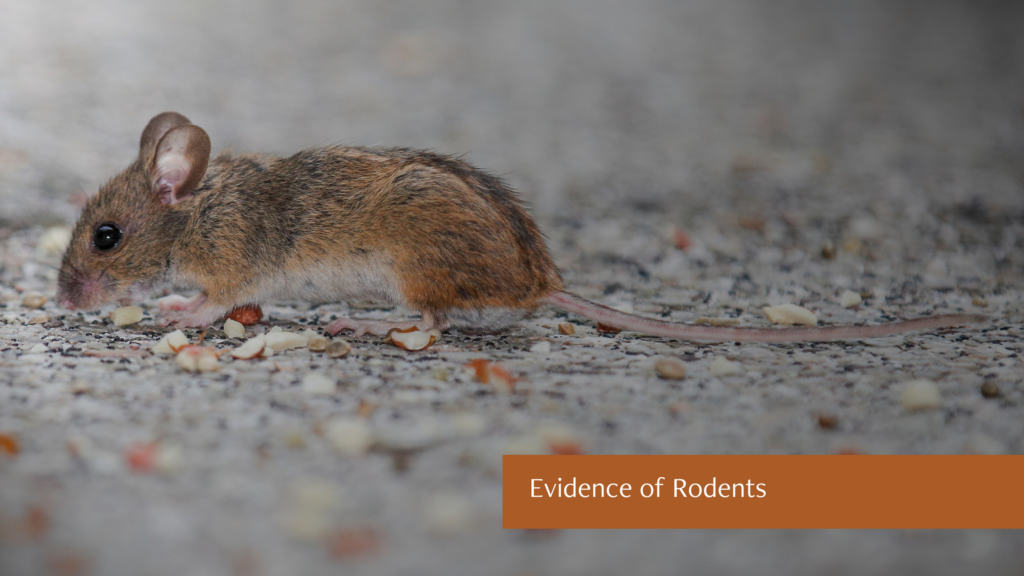
- Droppings: Small, dark pellets found in cupboards, along baseboards, or under sinks are a classic sign of mice or rats.
- Gnaw Marks: Rodents have teeth that constantly grow, so they chew on materials like wood, plastic, and wiring to wear them down.
- Nests: Look for shredded paper, fabric, or other soft materials in secluded corners, attics, or behind appliances.
- Noises: Scratching or scurrying sounds in your walls or ceiling, especially at night, often indicate rodent activity.
Indicators of Insect Infestations
- Droppings: Cockroach droppings resemble black pepper or coffee grounds, while termite droppings (frass) look like tiny wood pellets.
- Damage to Structures: Termites can cause sagging floors, hollow-sounding wood, and crumbling drywall.
- Live or Dead Bugs: Seeing insects regularly, especially during the day, can signal a significant population.
- Wings or Casings: Termites and cockroaches shed their wings and exoskeletons as they mature.
Practical Tips for Preventing Pest Infestations
The best rodent and pest control strategy is prevention. By making your home less inviting to pests, you can significantly reduce the risk of an infestation.
1. Seal Entry Points
Pests can squeeze through surprisingly small openings. Walk around the exterior and interior of your home to identify and seal any potential entry points.
- Use caulk to seal cracks in the foundation and around pipes or utility lines.
- Install weather stripping on doors and windows.
- Repair any holes in window screens or siding.
- Cover vents with fine mesh screens.
2. Eliminate Food and Water Sources
Pests are always searching for their next meal. A clean home is a less attractive target.
- Store food, including pet food, in airtight containers.
- Clean up crumbs and spills immediately.
- Don’t leave dirty dishes in the sink overnight.
- Take out the trash regularly and use bins with tight-fitting lids.
- Fix leaky faucets and pipes to remove water sources. This is a crucial step in any rodent and pest control plan.
3. Maintain Your Yard
Your yard can be a staging ground for pests looking to enter your home.
- Keep shrubs and tree branches trimmed back from the house.
- Remove leaf litter, woodpiles, and other debris that can provide shelter.
- Ensure your yard has proper drainage to prevent standing water.
4. Declutter Your Home
Clutter provides endless hiding spots for pests. A tidy home is easier to inspect and maintain.

- Keep storage areas like basements, attics, and garages organized.
- Store items in plastic bins instead of cardboard boxes, which pests can easily chew through.
- Regularly clean out closets and other rarely used spaces.
When to Call a Professional
DIY prevention is a powerful tool, but some situations require expert intervention. If you have a persistent problem or are dealing with destructive pests like termites or carpenter ants, professional rodent and pest control is your best bet. A trained technician can accurately identify the pest, determine the extent of the infestation, and implement a cautious and effective treatment plan.
Professionals offer comprehensive rodent and pest control solutions that go beyond what you can achieve on your own. They have access to specialized equipment and treatments that are not available to the public. Investing in a professional service ensures the problem is handled correctly, giving you peace of mind. A good rodent and pest control company will not only eliminate the current issue but also help you prevent future ones.
Don’t Wait for a Crisis—Protect Your Home Today
An infestation is a problem that only gets worse with time. By taking a proactive stance on rodent and pest control, you can make your home cautious, protect your family’s health, and avoid expensive damage. Are you seeing signs of pests or want to get ahead of a potential problem? Our team of certified professionals is here to help. We provide thorough inspections and customized treatment plans to keep your home pest-free. Contact us today for a consultation and take the first step toward a secure and comfortable home.