
What Are the First Signs of Carpet Beetles?
Discovering tiny, unwelcome pests in your home can be unsettling. Among the most common invaders are carpet beetles. These small insects can cause significant damage if left unchecked. Knowing what to look for is the first step in protecting your home and belongings. Understanding the early warnings of a carpet beetle problem allows you to act quickly and prevent a small issue from becoming a large infestation.
This guide will walk you through the primary indicators of their presence. We’ll cover everything from the damage they leave behind to the physical evidence they can’t hide, helping you identify an infestation in its earliest stages.
What Do Carpet Beetles Look Like?
Before you can spot the signs, it helps to know what you’re looking for. There are a few common types, but they share similar characteristics.
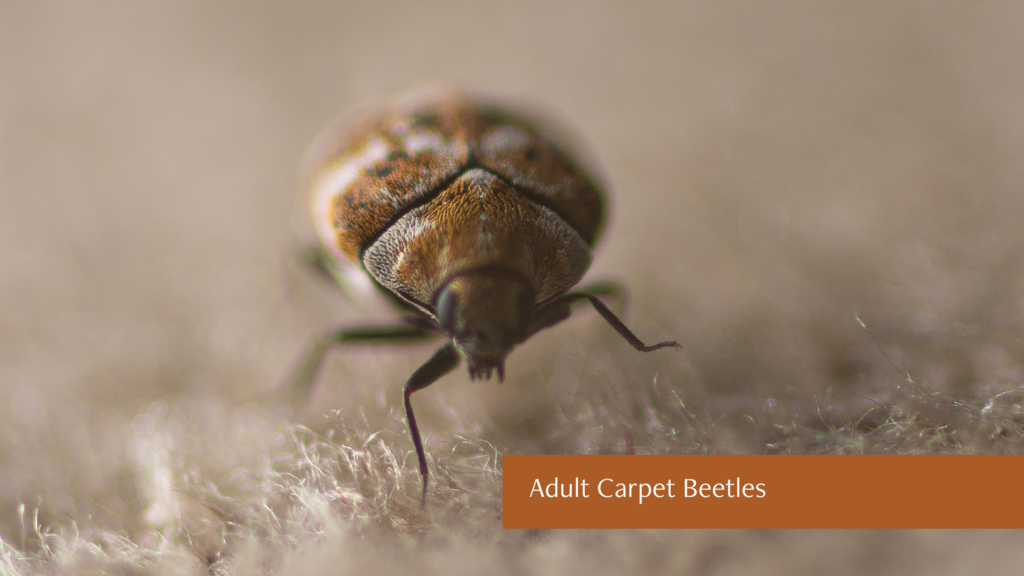
Adult Carpet Beetles
Adults are typically small, oval-shaped insects, measuring about 1/8 to 1/4 inch long. Their coloring can vary, often appearing mottled with black, white, brown, or yellow patches. You might find them near windows or light sources, as they are drawn to light. While adult beetles don’t cause fabric damage themselves—they primarily feed on pollen—their presence is a major red flag that they are laying eggs indoors.
Carpet Beetle Larvae
The real damage is done by the larvae. These are the creatures you’ll most likely find near the source of the damage. They are slightly longer than the adults, often up to 1/4 inch, and are typically covered in bristly hairs, giving them a fuzzy appearance. Their color ranges from light brown to almost black. It’s this larval stage of the carpet beetle that actively feeds on natural fibers found in your home.
Key Signs of a Carpet Beetle Infestation
Catching a carpet beetle problem early can save you from costly damage. Look out for these telltale signs.
Damage to Fabrics and Furnishings
Carpet beetle larvae have a specific diet. They consume keratin, a protein found in animal-based materials. This is why they are so destructive to certain household items.
- Irregular Holes: Unlike the more uniform holes left by moths, damage from a carpet beetle often appears as larger, irregular patches eaten away from items. You might see this on wool carpets, blankets, and clothing.
- Threadbare Spots: On rugs and carpets, you may notice areas that look thin or threadbare. The larvae chew the base of the fibers, causing the pile to loosen and fall out. Check the undersides of rugs and along the edges where dust and hair accumulate.
- Damage to Other Items: Their appetite isn’t limited to fabrics. They will also feed on stored pantry items, leather book bindings, pet hair, and even the preserved hides of taxidermy animals.
Visible Larvae and Shed Skins
As the larvae grow, they molt, shedding their skins. These empty, bristle-covered casings are a sure sign of an active infestation.
- Shed Skins: You can often find these light brown, shell-like casings in the dark, undisturbed places where the larvae feed. Look in closets, under furniture, along baseboards, and within folded fabrics. Finding multiple shed skins indicates that a population is growing.
- Live Larvae: Spotting the larvae themselves is definitive proof. They avoid light, so you’ll need to inspect hidden areas. Check inside drawers, at the back of closets, and in boxes of stored clothing. Their slow, crawling movement can make them easy to miss at first glance.
Spotting Adult Beetles
Finding adult beetles is another clear indicator of a problem. While they may seem harmless as they fly towards a window, their presence means they are likely reproducing in your home. An adult carpet beetle indoors is a strong signal that eggs have been laid or will be soon. Check window sills, light fixtures, and around potted plants, as they are drawn to these areas.
Where to Look for Carpet Beetles
To confirm an infestation, a thorough inspection is necessary. Focus on areas where food sources are plentiful and disturbances are minimal.
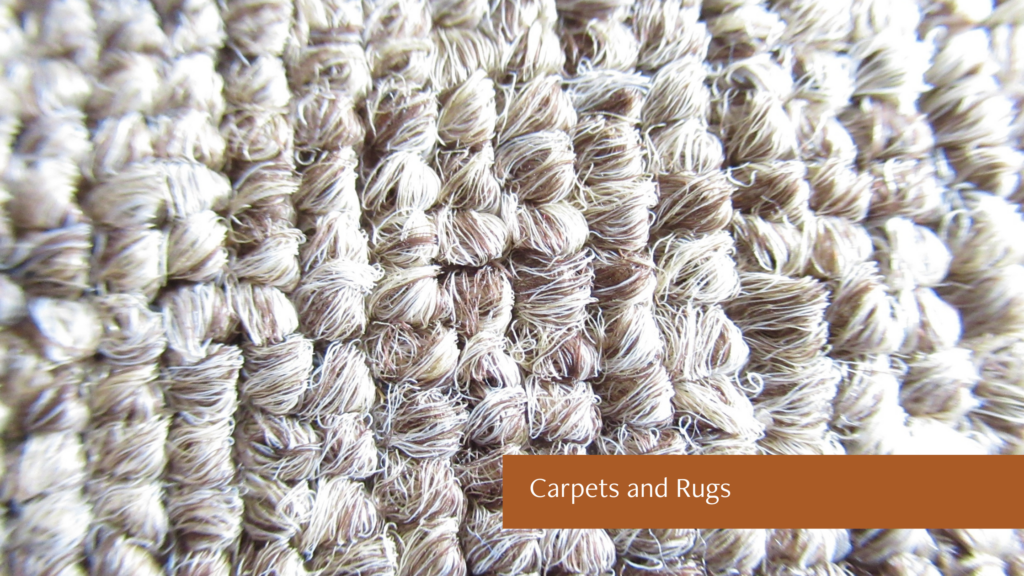
- Carpets and Rugs: Inspect the edges and undersides, especially those made of wool.
- Closets: Check wool coats, silk scarves, and felt hats. Pay close attention to items that have been stored for a long time without being moved.
- Upholstered Furniture: Examine crevices, seams, and the undersides of furniture, particularly if it contains natural fibers.
- Pantry and Kitchen: Look for evidence in stored grains, flour, and pet food. A carpet beetle is not exclusively a fabric pest.
- Air Vents and Baseboards: These areas collect dust, lint, and hair, which can serve as a food source for larvae.
Take Action Against Carpet Beetles
If you’ve noticed any of these signs, it’s important to act swiftly. A small carpet beetle issue can quickly escalate. While regular vacuuming and cleaning can help manage the problem, a widespread infestation often requires professional intervention. The larvae can be difficult to eliminate completely, as they hide deep within fabrics and dark corners of your home.
For a comprehensive solution and peace of mind, consider reaching out to pest control experts. Professionals have the tools and expertise to identify all affected areas and apply effective treatments to eradicate every stage of the carpet beetle life cycle.Don’t let these pests ruin your valuable belongings. If you suspect you have a carpet beetle problem, contact Brooks Pest Solutions for expert Beetle Control services.