
Can You Ever Fully Get Rid of Termites?
The short answer is yes — but keeping them away permanently is an entirely different challenge.
Termites are often called “silent destroyers” for good reason. These small, pale insects can chew through the wooden framework of your home for months — or even years — without you ever noticing a single sign of their presence. By the time you spot a mud tube along your foundation or a pile of discarded wings near a windowsill, the structural damage is often already extensive and expensive to repair.
For many homeowners, the discovery of an active infestation triggers a moment of genuine panic, followed by one pressing question: Is it actually possible to get rid of termites completely?
The honest answer is both reassuring and sobering. Modern pest control methods are incredibly effective at eliminating active colonies and stopping ongoing damage. However, the battle against termites is rarely a one-and-done event. These insects are a relentless part of the natural ecosystem, constantly seeking out dead and decaying cellulose — which, unfortunately, includes the wood in your home.
In this guide, we will break down the reality of termite eradication, explain why termites are so difficult to fully eliminate, why most DIY treatments fall short, and how professional pest control strategies can protect your home for the long haul.
Why Are Termites So Hard to Eliminate?
Before you can understand why termite removal is such a complex task, it helps to understand the biology and behavior of these insects. Unlike a mouse looking for food scraps or a wasp looking for a nesting site, termites are not opportunistic visitors. Your home is their food source. Every piece of timber, every wooden beam, every sheet of paper-backed drywall is a potential meal.
Several key biological traits make termites extraordinarily difficult to completely eliminate — even with professional treatment.
They Live in Massive, Underground Colonies
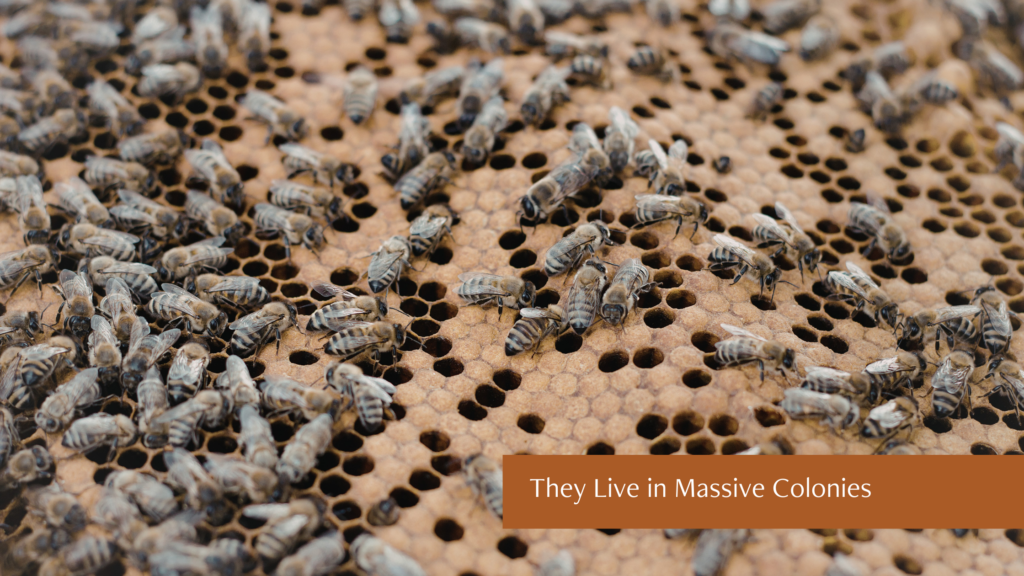
A single subterranean termite colony can contain hundreds of thousands of individual insects. Mature colonies of certain species, like the Formosan subterranean termite — one of the most destructive species found in the southern United States can harbor several million workers. These colonies are typically located deep underground, often several feet below the surface, far away from where you see the damage occurring inside your home.
This underground location is what makes termites so hard to target. When you see damaged wood in your wall or notice a mud tube climbing your foundation, you are only seeing the foraging activity of worker termites. The queen, the eggs, and the reproductive members of the colony are safe underground, continuing to reproduce at a remarkable rate. A termite queen can live for 25 years and lay thousands of eggs per day. Killing the workers you see on the surface barely scratches the surface of the problem.
They Are Masters of Concealment
Termites are naturally cryptic insects. They avoid light and open air, which means they almost always work in total darkness and hidden spaces. Subterranean termites build mud tubes, narrow, pencil-width tunnels made of soil, wood particles, and saliva to travel safely from the soil up to the wood they are eating. These tubes protect them from predators, maintain the humid microclimate they need to survive, and keep them completely hidden from view as they move through your home’s structure.
Drywood termites take a different approach. Rather than living in soil, they establish colonies entirely within dry wood in your walls, attic beams, or furniture. They can live inside a single piece of timber for years, eating it from the inside out, until the wood collapses into a thin shell. Because they work from the inside out, you often will not detect them until you knock on wood and hear a hollow sound, notice sagging floors or bubbling paint, or find small piles of tiny fecal pellets that look like sawdust.
In both cases, the concealed nature of their activity means that by the time an infestation becomes visible, it has typically been growing for months or years.
They Are Relentless, Year-Round Foragers
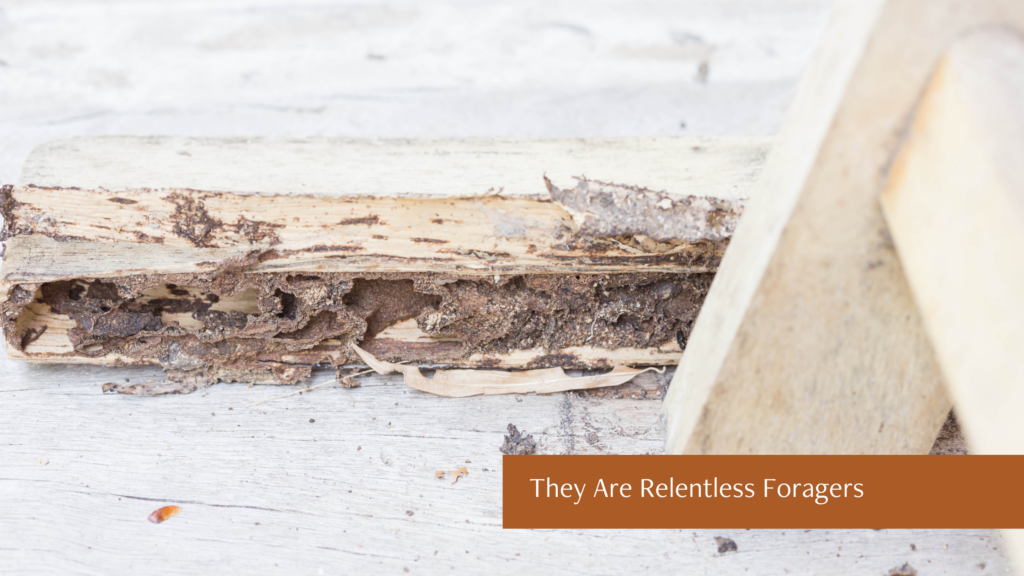
Unlike many pest species that are seasonal, termites are active year-round in warm climates. In states like Texas, Florida, and Georgia — all areas served by Brooks Pest Solutions — the warm weather means termite colonies never truly go dormant. They feed continuously throughout the year, 24 hours a day, seven days a week.
Furthermore, even if a treatment successfully eliminates the colony currently attacking your home, your house is still constructed of the same cellulose-rich wood that attracted termites in the first place. New termite colonies swarm every spring, sending out winged reproductive adults — called alates or swarmers — to find new nesting sites. Without an ongoing chemical barrier or monitoring system in place, a newly established colony can move into your property within months of the previous one being eliminated.
There Are Multiple Species with Different Behaviors
Not all termites behave the same way, and what works against one species may be far less effective against another. The most common types homeowners encounter in the U.S. are:
- Subterranean termites — The most destructive and widespread species in North America. They nest in the soil and need contact with ground moisture to survive. They build mud tubes to access above-ground wood.
- Drywood termites — Found primarily in coastal and southern states. They do not need soil contact and can infest dry wood anywhere in a structure, including attic framing, hardwood floors, and furniture.
- Dampwood termites — Typically found in moist, decaying wood. They are common in the Pacific Northwest and are usually a sign of a moisture problem rather than a random infestation.
- Formosan subterranean termites — An invasive species concentrated in the Deep South. They form much larger colonies than native subterranean species and are significantly more aggressive and difficult to control.
An effective treatment strategy must be tailored to the specific species involved. A homeowner attempting a DIY approach with a generic product from a hardware store is unlikely to correctly identify the species and even less likely to apply the right treatment at the right depth and location.
The Problem with DIY Termite Treatments
When faced with termites, the temptation to handle the problem yourself is completely understandable. Hardware and home improvement stores sell a variety of sprays, foams, granules, and bait kits that are marketed for termite control. However, relying solely on these retail products to address a full infestation carries significant risks and in many cases, a DIY approach can actually make the problem worse.
Most Over-the-Counter Products Are Contact Killers or Repellents
The majority of consumer-grade termite products work as either direct contact killers (they kill termites they physically touch) or repellents (they create a chemical barrier that termites try to avoid). While these products have their place in minor, surface-level situations, they have a fundamental limitation: they do not reach the heart of the colony.
Remember that the queen, eggs, and reproductive castes are housed deep underground, far from the spray you apply to your baseboards. Killing foraging workers on the surface has essentially no long-term impact on the colony’s ability to survive and continue damaging your home. Worker termites are expendable, the colony produces them constantly, and losing a few foragers barely registers as a setback.
Repellent Treatments Can Scatter the Colony
This is perhaps the most counterproductive outcome of amateur termite treatment. When you apply a repellent chemical to an active foraging area, the termites in that zone detect the chemical and retreat. The colony then redirects its foraging activity to other parts of the structure to avoid the treated zone. The net result is that you have not eliminated the colony — you have simply pushed it to a different section of your home that may be harder to access and monitor.
This colony fragmentation, sometimes called “budding,” can also lead to the formation of new satellite colonies, potentially turning one infestation problem into several.
DIY Methods Rarely Address Root Causes
Effective termite treatment requires more than just applying a chemical to visible termite activity. It requires a thorough inspection to map the scope of the infestation, identification of the species involved, soil trenching and injection to create a complete chemical barrier around the foundation, and in some cases, drilling through concrete slabs or into wall voids to reach hidden galleries. None of these steps are realistically achievable with over-the-counter products and without professional training and equipment.
Without addressing the root cause — which is typically the colony’s connection to your home’s structure through the soil — any surface treatment is, at best, a temporary cosmetic fix.
Professional Solutions: How Experts Eliminate Termites
To fully eliminate a termite infestation, you need a comprehensive strategy that targets the colony itself, not just the individual insects that happen to be visible. Professional pest control companies have access to products, equipment, and application techniques that are far more effective than anything available at retail and, just as importantly, they bring the expertise to deploy those tools correctly.
Liquid Soil Treatments (Termiticide Barriers)
Creating a complete chemical barrier around your home’s foundation is one of the most reliable methods for treating and preventing subterranean termite infestations. Professionals dig a trench around the perimeter of the foundation and apply large volumes of liquid termiticide directly into the soil, saturating the zone through which termites must travel to reach your home.
The key innovation in modern professional termiticides is the shift from repellent to non-repellent chemistry. Older repellent products could leave gaps in the barrier places where termites would detect the chemical and route around it. Non-repellent termiticides are undetectable to termites. They tunnel through the treated soil without realizing it is lethal, picking up the active ingredient on their bodies. As they return to the colony and interact with nestmates through normal grooming and food-sharing behaviors, they transfer the lethal compound throughout the population. This “transfer effect” eventually reaches the queen and the core of the colony, leading to complete elimination rather than just surface suppression.
When properly applied around the entire perimeter and beneath any concrete slabs adjacent to the foundation, a liquid termiticide barrier can provide effective protection for five years or more.
Termite Bait Stations
Baiting systems offer a different and in many ways complementary approach to termite control. Rather than creating an immediate chemical barrier, bait stations work by intercepting termite foragers before they reach your home and using their own social behavior against the colony.
Stations are installed in the soil around the perimeter of your home at regular intervals. Each station contains a monitoring cartridge filled with cellulose material that termites find highly attractive. When termite activity is detected in a station during routine inspections, the technician replaces the monitoring cartridge with a bait cartridge containing a slow-acting insect growth regulator (IGR) or chitin synthesis inhibitor.
Worker termites consume the bait and carry it back to the colony, where it is shared through the process of trophallaxis — mutual food exchange. Because the active ingredient is slow-acting, termites do not associate their symptoms with the bait. The IGR prevents molting or reproduction, leading to the gradual collapse of the entire colony including the queen over a period of weeks to months.
Bait systems are particularly valued by homeowners who prefer to minimize the use of liquid chemicals around their foundation, those with wells or water features near the treatment zone, and those in situations where complete trenching and injection is not practical (such as homes with extensive concrete slabs). They also serve an excellent role as a long-term monitoring and prevention tool even after an active infestation has been resolved.
Fumigation (Tenting) for Drywood Termites
When a drywood termite infestation has spread extensively throughout a structure affecting multiple rooms, floor levels, or areas of framing — the most thorough remediation option is whole-structure fumigation, commonly referred to as “tenting.” The home is entirely enclosed in large tarps (a tent), and a gaseous fumigant typically sulfuryl fluoride is introduced and held at a lethal concentration for a specified period, typically 24–72 hours.
Fumigation is effective precisely because the gas penetrates every space in the structure, including inside sealed wood galleries where drywood termites live. There is nowhere inside the structure for termites to escape. Fumigation does not, however, provide any residual protection after the gas dissipates — the home is essentially “reset” with no lasting barrier against future infestation, which is why follow-up monitoring is important.
Spot Treatments for Localized Drywood Infestations
If a drywood termite infestation is relatively limited in scope confined to a specific piece of furniture, a single wall section, or a small area of framing, full fumigation may not be necessary. Professionals can use localized treatments such as injecting foam termiticide directly into wood galleries, treating exposed wood surfaces with borate-based products, or applying microwave or electrocution-based technologies to targeted areas of infestation. These spot treatments are less disruptive and less expensive than full fumigation but require accurate identification of the infestation’s extent.
Prevention: The Essential Second Step
Eliminating an active infestation is only the beginning. Because termites exist naturally in the soil and environment surrounding virtually every home in the southern and coastal United States, the question is never truly whether termites are present in your neighborhood,. it is whether your home is adequately protected against them.
After treatment, making your property as unattractive and inaccessible to termites as possible is the most important thing you can do to prevent re-infestation. Termites are primarily attracted to two things: moisture and accessible cellulose (wood that contacts or is close to soil).
Reduce Moisture Around Your Foundation
Subterranean termites need soil moisture to survive. Consistently damp soil around your foundation creates ideal conditions for colony establishment and foraging activity. Addressing moisture issues is one of the highest-impact steps you can take as a homeowner.
- Repair all leaks promptly. Leaking exterior faucets, irrigation systems, HVAC condensation lines, and pipes beneath the home all contribute to soil moisture accumulation. Fix any leaks as soon as they are identified.
- Ensure proper gutter and downspout drainage. Clogged gutters overflow and saturate the soil directly against your foundation. Downspouts should extend at least four to six feet away from the structure and discharge onto ground that slopes away from the home.
- Improve crawl space ventilation. Poorly ventilated crawl spaces trap humidity and can create persistently damp soil and wood — a highly attractive environment for termites. Ensure crawl spaces have adequate cross-ventilation, and consider a vapor barrier on the soil surface.
- Grade soil away from the foundation. The ground immediately surrounding your home should slope away from the structure to direct rainwater away rather than allowing it to pool against the foundation.
Eliminate Wood-to-Soil Contact
Direct contact between wood structural elements and soil is essentially an open invitation for subterranean termites. When wood touches the ground, termites can move from the soil directly into the wood without ever needing to build visible mud tubes, making early detection far more difficult.
- Maintain a soil-to-wood gap. Siding, stucco, and wood framing should start at least six inches above the soil line. If soil has built up against your siding over time, have it removed.
- Use mulch carefully. Mulch retains moisture and creates an excellent microhabitat for termites. Keep mulch at least 12 to 18 inches away from your home’s foundation, and never pile it up against siding or wood trim.
- Relocate firewood and lumber storage. Stacks of firewood stored against the house give termites a direct cellulose bridge to your structure. Store firewood on a rack, elevated off the ground, and positioned at least 20 feet away from the home.
- Remove tree stumps and buried wood debris. Old stumps, buried form boards from concrete pours, and other buried wood debris near your home can harbor termite colonies that eventually expand toward the structure. Have stumps ground out and debris removed.
Use Termite-Resistant Materials Where Possible
If you are building, renovating, or making repairs, incorporating termite-resistant materials in vulnerable areas adds a lasting layer of passive protection. Pressure-treated lumber rated for ground contact, concrete foundations with no wood embedments, steel framing in sub-grade locations, and borate-treated wood products all offer meaningful resistance to termite attack. While no material is entirely termite-proof, using resistant materials in the areas most likely to be attacked — framing near the foundation, subfloor components, deck posts — significantly reduces risk.
Schedule Annual Professional Inspections
The single most effective tool for long-term termite protection is regular professional monitoring. An annual inspection by a licensed pest control professional allows for the early detection of new termite activity before it has the chance to become a major infestation. Inspectors are trained to recognize the subtle early signs of termite activity. Faint mud tube beginnings, slight wood discoloration, tiny fecal pellet accumulations that a homeowner would almost certainly overlook.
Think of annual termite inspections the way you think of dental check-ups. Identifying and treating a small area of new termite activity costs a fraction of what it costs to repair structural damage from a long-established, undetected infestation. Early intervention is always less expensive and less disruptive than remediation after significant damage has occurred.
Signs That You Need Professional Help Right Now
While prevention and annual inspections are ideal, many homeowners only discover a termite problem after it has already progressed. If you notice any of the following warning signs, do not wait — contact a pest control professional immediately.
- Mud tubes on your foundation walls, interior or exterior, running from the ground toward wood elements
- Discarded wings near windowsills, doorframes, or light fixtures. A sign that reproductives have recently swarmed inside the structure
- Hollow-sounding wood when you tap on baseboards, window frames, or structural beams
- Visibly damaged or sagging wood — floors that give underfoot, doors and windows that no longer open smoothly, or blistering paint that mimics water damage
- Frass (termite droppings) — small piles of what looks like fine sawdust or tiny sand-colored pellets near wood surfaces, indicating active drywood termite galleries
- Visible swarmers indoors, especially near light sources in late winter or spring
Any one of these signs warrants an immediate professional inspection. By the time signs are visible, the colony has typically been established for at least a year or more.
The Bottom Line: Can You Ever Fully Get Rid of Termites?
Yes — a professional pest control company can fully eliminate an active termite colony from your home. With the right treatment approach tailored to the species and severity of infestation, complete eradication of the attacking colony is a realistic and achievable outcome.
However, “fully getting rid of termites” in the permanent sense ensuring they never return is a different and more nuanced challenge. Because termites are a natural part of the environment throughout much of the United States, and because the wood in your home will always be attractive to them, the risk of future infestation does not disappear after treatment. True long-term protection is not a single event; it is an ongoing commitment to monitoring, maintenance, and prevention.
The homeowners who fare best are those who combine professional treatment of existing infestations with the preventive measures outlined above, maintain an ongoing relationship with a licensed pest control provider, and schedule annual inspections to catch any new activity early. With that approach, your home can remain effectively termite-free for decades.
At Brooks Pest Solutions, we offer comprehensive termite inspections, customized treatment plans, and ongoing protection programs across our service areas in Texas, Georgia, and Florida. If you suspect termite activity — or simply want the peace of mind that comes from knowing your home is protected. Contact us today for a free quote.
Frequently Asked Questions
How long does it take to get rid of termites after professional treatment?
The timeline depends on the treatment method. Liquid termiticide barriers work relatively quickly foraging workers that contact the treated zone are eliminated within days to weeks, and the transfer effect can collapse the colony within a few months. Bait systems work more slowly by design; because the bait must be carried back and shared throughout the colony, full colony elimination through baiting typically takes three to six months, sometimes longer for very large colonies. Your pest control professional will monitor progress and adjust the treatment plan as needed.
Will termites come back after treatment?
A properly applied treatment can eliminate the existing colony completely, but it does not permanently prevent new termites from eventually moving toward your home. This is why ongoing monitoring and preventive measures — maintaining moisture control, eliminating wood-to-soil contact, and scheduling annual inspections — are so important after initial treatment.
Is it safe to stay in my home during termite treatment?
For most liquid soil treatments and bait station installation, there is no need to vacate your home. The chemicals are applied to the soil around the perimeter, and with normal precautions, interior exposure is minimal. Whole-structure fumigation (tenting) is the exception — the home must be vacated for the duration of the fumigation and for a specified clearance period afterward, typically 24 to 72 hours depending on the fumigant concentration used.
How much does professional termite treatment cost?
Treatment costs vary significantly depending on the size of your home, the type of termites involved, the severity of the infestation, and the treatment method required. Bait station programs and liquid barrier treatments for an average-sized home generally range from a few hundred to a few thousand dollars. Whole-structure fumigation for drywood termites is typically more expensive. However, it is worth putting any treatment cost in perspective relative to the cost of repairing structural termite damage, which can easily run into the tens of thousands of dollars. Contact Brooks Pest Solutions for a free, no-obligation quote tailored to your specific situation.
What is the best way to prevent termites from returning?
The most effective prevention strategy combines three elements: maintaining a professional-grade chemical barrier or active bait station system around your home, addressing moisture and wood-to-soil contact issues that make your property attractive to termites, and scheduling annual professional inspections so that any new activity is caught and treated early before it can cause significant damage.