
Fire Ant Bites: What Attracts Them and How to Keep Them Away for Good
A beautiful day in your yard can be ruined in an instant by one wrong step. Suddenly, you feel a sharp, burning pain, followed by several more. You’ve stumbled upon a fire ant mound, and now you’re dealing with the painful consequences: multiple fire ant bites. These aggressive insects are more than just a nuisance; their stings can cause significant pain and, for some, severe allergic reactions.
Understanding what attracts these pests and how to manage them is key to reclaiming your outdoor spaces. This guide will explore why fire ants might be drawn to your property, the dangers associated with fire ant bites, and effective strategies to keep them away for good.
What Attracts Fire Ants to Your Yard?
Fire ants are opportunistic survivors. They build their colonies where they have easy access to food, water, and shelter. If your property provides these elements, you might be unintentionally rolling out the welcome mat for them.
Food and Water Sources
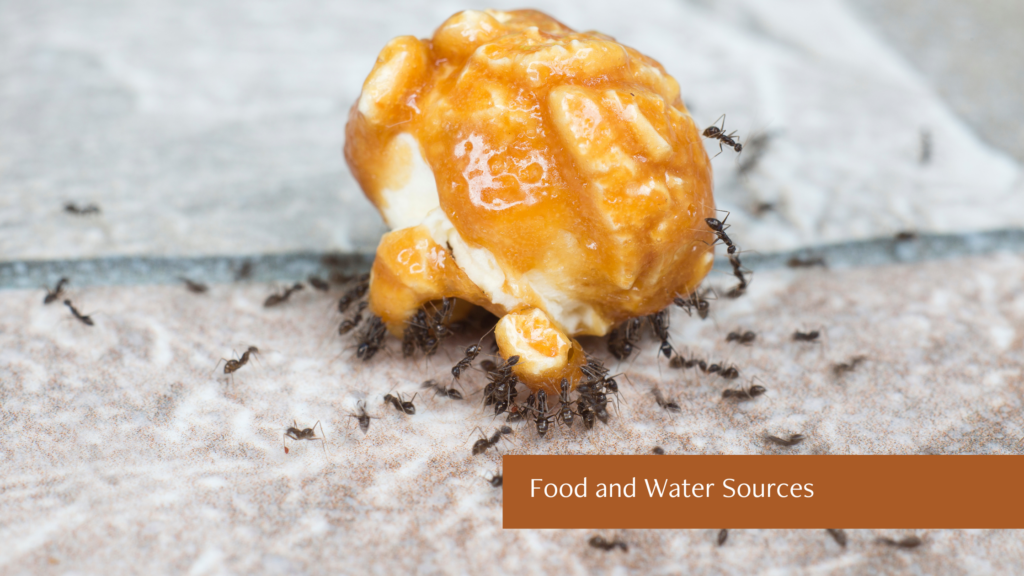
Fire ants have a diverse diet. They are attracted to proteins, fats, and sweets. This means that outdoor pet food bowls, greasy barbecue grills, fallen fruit from trees, and open trash cans can all serve as a buffet. Sugary drinks or crumbs left behind after a picnic can also draw them in. They also need moisture to survive, so leaky faucets, irrigated lawns, and areas with poor drainage are highly attractive.
Ideal Nesting Conditions
Fire ants prefer to build their nests in open, sunny areas. Lawns, parks, and fields are prime real estate for their sprawling underground colonies. The visible mound is just the tip of the iceberg; the actual nest can extend several feet underground. They often build mounds in disturbed soil, such as along sidewalks, driveways, or in landscaping beds. The presence of one mound often indicates that more are nearby, increasing the risk of accidental encounters and fire ant bites.
The Dangers of Fire Ant Bites
What makes fire ant bites so memorable is their unique method of attack. A fire ant first latches on with its mandibles and then stings repeatedly in a circular pattern, injecting a toxic venom. This venom, composed mainly of alkaloids, is what causes the intense burning sensation and the formation of a white pustule within a day or two.
For most people, a few fire ant bites result in localized pain, itching, and swelling that subsides within a few days. However, scratching the pustules can lead to secondary infections, prolonging the healing process and potentially causing scars. The real danger lies in the sheer number of stings one can receive during an attack, as dozens or even hundreds of ants may swarm from a disturbed mound.
Some individuals have a severe allergy to fire ant venom. An allergic reaction can trigger anaphylaxis, a life-threatening condition. Symptoms include difficulty breathing, dizziness, swelling of the face or throat, and a rapid heartbeat. Anyone experiencing these symptoms after receiving fire ant bites requires immediate medical attention. The high frequency of these encounters makes managing fire ant populations crucial for safety.
How to Keep Fire Ants Away for Good
Getting rid of fire ants requires a persistent and strategic approach. Simply knocking down a mound is ineffective and will only cause the colony to relocate. Here are some effective methods to protect your property and prevent painful fire ant bites.
Yard Maintenance and Prevention
Start by making your yard less inviting.
- Eliminate Food Sources: Keep outdoor areas clean. Secure trash can lids, clean your grill after use, and don’t leave pet food outside for extended periods.
- Manage Moisture: Repair leaky hoses and faucets. Ensure your property has good drainage to avoid creating the damp conditions fire ants love.
- Regular Landscaping: Keep your lawn mowed and landscaping tidy. This makes it easier to spot new mounds before they become large, established colonies.

Treatment Methods
Several treatment options are available, each with its own pros and cons.
- Baiting: Fire ant baits are one of the most effective long-term control methods. Worker ants pick up the slow-acting poison and carry it back to the nest, where it’s shared with the queen. Once the queen is eliminated, the colony eventually collapses. However, fire ant colonies often have multiple queens, unlike regular ant colonies. This means even if one queen dies, others can continue reproducing making fire ants significantly tougher to get rid of. Because of this, baiting may take several weeks and often requires consistent, well-placed treatments. Still, it remains a proactive approach to reducing the overall risk of fire ant bites.
- Mound Drenches: For a faster solution, liquid insecticides can be poured directly onto a mound. This method kills the ants on contact and can eliminate a large portion of the colony quickly. However, it may not reach the queen, who is often deep within the nest, meaning the colony could rebound. Using this method is a direct response to the threat of fire ant bites.
- Hot Water: Pouring several gallons of boiling water on a mound can be an organic but less reliable option. It may kill a significant number of ants but often fails to eliminate the entire colony and poses a safety risk to the person handling the water. Multiple treatments are usually necessary.
Dealing with widespread infestations can be challenging and time-consuming. The persistence of these pests often means that DIY solutions fall short of providing complete and lasting relief from the threat of fire ant bites.
*Important Medical Precaution:
The information provided is for general guidance only. While most fire ant bites respond well to basic home care, reactions may vary. If you experience severe pain, spreading redness, signs of infection, or allergic reactions such as difficulty breathing or swelling of the face or throat, seek immediate medical attention. Always consult a licensed medical professional for proper diagnosis and treatment, especially for children, seniors, or individuals with pre-existing medical conditions.
Take Control of Your Yard with Professional Help
Fire ants are formidable pests, and their presence can make you feel like a prisoner in your own home. While DIY methods can offer temporary relief, achieving total elimination requires expertise and the right tools. If you are tired of worrying about painful fire ant bites and want a permanent solution, it’s time to call in the experts.
Brooks Pest Solutions service can accurately identify the extent of your infestation and implement a comprehensive treatment plan tailored to your property. With access to commercial-grade products and proven strategies, technicians can effectively eliminate entire colonies, including the queen, and provide ongoing protection to keep them from coming back.Don’t let fire ants take over your yard. Contact us today to schedule an inspection and get a customized quote. Enjoy your outdoor spaces with peace of mind, free from the threat of painful fire ant bites.