
Dallas Pest Guide: Local Solutions
Living in Dallas means enjoying vibrant culture, great food, and warm weather. However, that same warm and humid Texas climate is a magnet for pests. From the intense summer heat to the mild winters, Dallas homeowners face a year-round battle with insects and rodents that are uniquely adapted to the Lone Star State.
If you are dealing with uninvited guests in your North Texas home, this guide will help you identify common local pests and find the best solutions to keep them out.
Understanding the Dallas Ecosystem
The “Big D” sits in a humid subtropical region. This means our winters are short and our summers are long and steamy. For pests, this is a paradise. While northern states get a “winter break” where bugs die off, Dallas pests often remain active or simply move indoors when the temperature dips. Understanding the biology of these local invaders is the first step in effective pest management.
Common Pests in the Dallas Area
Because of our unique geography, Dallas residents often deal with a specific “rogue’s gallery” of pests.
1. Sugar Ants
Sugar ants are the most common indoor nuisance in Dallas. These tiny, persistent invaders (often Pharaoh or Acrobat ants) possess a relentless sweet tooth. They are notorious for trailing across kitchen counters and finding their way into even the most tightly sealed pantry containers.
Because they are so small, they can enter through microscopic cracks in your home’s exterior. In North Texas, these ants often seek moisture during the blistering July heat waves, making your kitchen sink a prime target. Many of these species are highly social, meaning if you see one, there are likely thousands more nearby in a hidden colony.
2. Cockroaches (The “Waterbug”)
Dallas is home to both the small, invasive German cockroach and the large, flying American cockroach. They thrive in the humidity of our sewer systems and crawlspaces, often entering homes through drains or gaps in the foundation.
- German Cockroaches: These are the ones that hide in your toaster or behind the fridge. They breed rapidly and are often resistant to over-the-counter sprays.
- American Cockroaches: Often called “waterbugs” or “Palmetto bugs,” these are the large ones that fly. They prefer damp, dark areas like basements or under-sink cabinets.
3. Mosquitoes
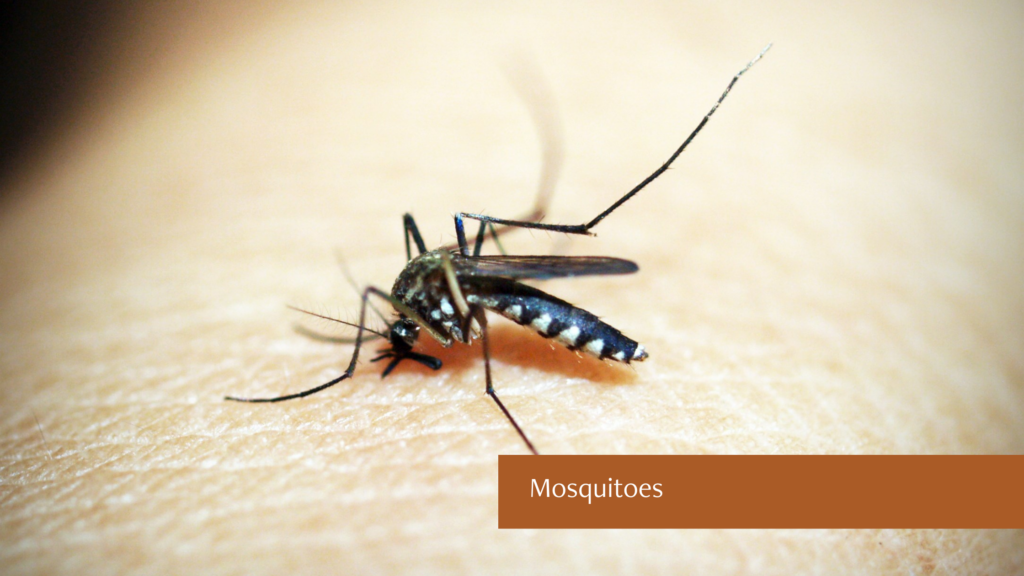
With the Trinity River and various local lakes, standing water is common. According to Dallas County Health and Human Services, mosquitoes are a major public health concern due to the West Nile Virus. They are most active from early spring through the first freeze of winter.In Dallas, the Aedes aegypti mosquito is particularly troublesome because it prefers to live near humans and can breed in as little as a teaspoon of water left in a flowerpot saucer or a clogged gutter.
4. Rodents
Mice and rats are “urban survivors” in the Dallas metroplex. When the temperature finally drops in late autumn, these rodents look for warmth in attics and wall insulation, where they can chew through electrical wiring and cause fire hazards. The Roof Rat is particularly common in Dallas neighborhoods with mature trees, as they use overhanging branches to jump onto rooftops and enter through attic vents.
The Hidden Threat: Termites in Texas
Did You Know? The EPA estimates that termites cause billions in damage each year in the U.S. In Texas, the humid weather makes termite prevention a high priority for every homeowner.
In the Dallas-Fort Worth area, Subterranean Termites are the primary threat. They live in the soil and build “mud tubes” to reach the wood in your home. Because they eat wood from the inside out, many homeowners don’t realize they have an infestation until structural damage has already occurred. Regular inspections are vital for protecting your property value. You can learn more about termite biology from the Texas A&M AgriLife Extension.
Why Local Solutions Matter
Generic pest control advice often fails in North Texas because our pests are tougher. Dallas pests have built up resistance to many store-bought sprays, and the clay-heavy “Texas soil” can cause foundations to shift.
The “Blackland Prairie” Challenge
Dallas sits on a specific type of soil known as expansive clay. This soil expands when wet and shrinks when dry. This constant movement creates small cracks in your home’s foundation and brickwork. These cracks act as “superhighways” for pests like ants, spiders, and scorpions to enter your home. A one-size-fits-all approach doesn’t account for these structural shifts that are so common in our region.
How to Protect Your Dallas Home
Prevention is the most cost-effective way to manage pests. By making your home less attractive to bugs and rodents, you reduce the need for intensive treatments later.
- Manage Moisture: Fix leaky outdoor faucets and ensure gutters are clear. Mosquitoes only need a bottle cap full of water to breed. Check your HVAC condensation lines as well, as these often drip near the foundation, attracting thirsty insects.
- Seal Entry Points: Use steel wool or caulk to seal gaps around plumbing pipes and door frames. Remember, a mouse can fit through a hole the size of a dime!
- Yard Maintenance: Keep your grass mowed and remove leaf piles, which serve as “luxury housing” for scorpions and spiders. Trim tree branches so they are at least 3 feet away from your roofline to prevent roof rats and squirrels from gaining access.
- Proper Food Storage: Use airtight containers for flour, sugar, and pet food. Wipe down counters daily to remove the pheromone trails that ants use to navigate.
Choosing Eco-Friendly Pest Control
As we become more aware of our environmental impact, many Dallas families are looking for “green” solutions. Modern pest control has come a long way from the harsh chemicals of the past. Today, integrated pest management (IPM) focuses on long-term prevention and the use of targeted treatments that are safe for children and pets.
By focusing on the specific biology of the pest, such as using baits that target the queen of an ant colony rather than just spraying the workers you see. We can achieve better results with fewer chemicals.
Professional Pest Control in Dallas
Sometimes, a pair of gloves and a vacuum aren’t enough. When an infestation takes hold in a large city like Dallas, you need a team that understands the local environment. DIY methods often provide a temporary fix, but they rarely address the root of the problem, such as a hidden nest in the walls or a colony deep in the backyard soil.
Why Choose Brooks Pest Solutions?
Brooks Pest Solutions is proud to serve the Dallas community with targeted, eco-friendly treatments. Our local technicians know exactly where Dallas pests hide and how to stop them before they reach your kitchen or bedrooms.
What sets us apart:
- Same-Day Service: We understand that seeing a cockroach or a rodent is an emergency. We offer fast response times to restore your peace of mind.
- Local Expertise: We know the difference between a common field ant and a destructive carpenter ant.
- Customized Plans: Every home in Dallas is different. We tailor our treatments to your specific neighborhood, home age, and pest pressure.
- Family-Safe Methods: We prioritize products that are effective against pests but safe for your two-legged and four-legged family members.
Take Back Your Home Today!
Don’t let pests ruin your North Texas lifestyle. Whether you’re dealing with a fire ant invasion in the backyard or scratching noises in the attic, help is just a phone call away.
Living in the “Big D” should be about enjoying the State Fair, cheering on the Cowboys, and relaxing in your backyard without being eaten alive by mosquitoes. By following the tips in this guide and partnering with local experts, you can ensure your home remains a sanctuary. Contact Brooks Pest Solutions today to schedule your expert inspection. We provide fast, effective, and family-safe solutions designed specifically for the unique challenges of Dallas, Texas.