
Common Spring Pests and How to Spot Them Early
Spring is here, and so are the bugs. Just as you’re getting ready to go outside and welcome in the pleasant weather, pests are preparing to come back inside your home. Luckily, a little spring cleaning and preventive planning can help you keep your living spaces healthy and protected all season long. Let Brooks Pest Solutions guide you through everything you need to know about why pests infest in the spring and how to keep them away.
How to Prevent Ants From Getting Inside
We’ll start with preventing ant infestations, because these small yet highly coordinated pests can be some of the trickiest to stop once they get inside.
Ant infestations occur in two distinct phases: scouting and colonizing. Scouts are adventurous, and they’ll travel far from their colony in search of food and water, even into areas where none are likely to be found. You do not want these scouts to be successful, because if they find even a single spilled soda, they’ll set down pheromone trails that will lead their hundred thousand ant friends back to form a full infestation.
With this in mind, the best way to deter an ant infestation is to be diligent in your home cleaning. This means keeping all food sealed, even non-perishable goods, and we want to draw particular attention to keeping pet food sealed. Ants love it as much as your dog or cat, and an open food bowl is more than enough food for the colony to come inside.
Spring Pest Activity Timeline
Not all spring pests show up at once. Knowing what to expect each month can help you stay a step ahead.
March: The Wake-Up Call
As temperatures climb, pests that spent the winter dormant in wall voids, attics, and soil begin to stir. Ants send out their first scouts of the season, searching for food sources before the rest of the colony becomes active. This is the easiest window to catch an ant problem before it grows.
April: Swarming Season Begins
April is peak swarming season for termites across the South. Warm, humid days following rain create ideal conditions for winged reproductive termites to leave their colonies and start new ones, often right in your yard. It’s also when mosquito eggs laid in standing water from spring rains begin to hatch in earnest.
May: Full Activity
By May, most spring pests are in full swing. Spiders become more active as their prey, flies, ants, and other small insects, increases. Ant colonies are typically fully established by now, and mosquito populations continue to build with each rainfall. This is when preventive maintenance pays off most, since colonies and breeding sites are harder to eliminate once established.
What Makes Mosquitoes Infest Your Yard?

Mosquito infestations are different from those of other insects in that they typically occur outdoors rather than indoors. The hot, humid southern summers are a paradise for mosquitoes. Without regular sub-freezing temperatures, they do not experience the same seasonality here as they would in other parts of the country.
This means mosquitoes are a year-round problem, and the best way to avoid them is to limit their breeding grounds.
Mosquitoes need pools of water, preferably still and shallow, to lay their eggs. Deprive them of that, and they’ll be unable to lay down the foundation of an infestation. The mosquito life cycle works quickly, so covering pools, bird baths, and clearing up puddles early on can make a massive difference in the livability of your outdoor spaces.
How to Prevent Spiders Before They Infest
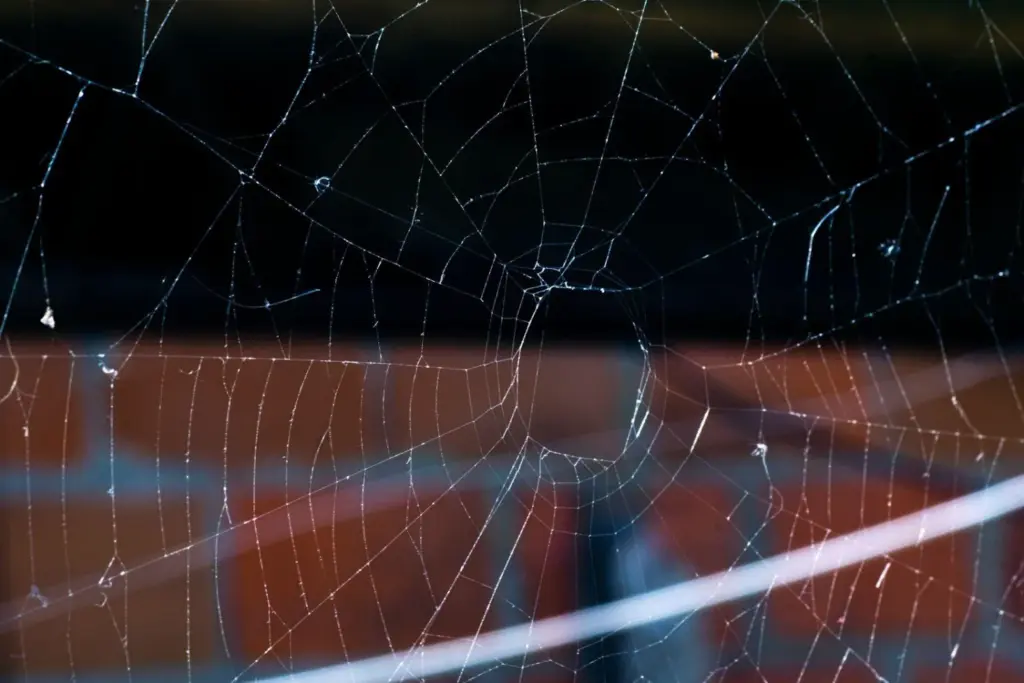
Spiders are a step up the food chain from most of the other creatures that can infest your home. Most spiders are ambush hunters, preferring to wait out of sight under floorboards, behind appliances, or in the corner of your ceiling, waiting for their next meal.
Spider prevention, like avoiding most types of pests, starts by removing their food source. You don’t have to have an existing pest infestation to get spiders. The arachnids often come inside through your garage, entryways, and other areas where pests are more likely to be. From there, they’ll continue to explore your home, so you should start by paying attention to these key areas where pest problems can begin.
A screen door can help reduce the risk of flies darting into your home. A weatherproof seal on the bottom of your garage door can keep out pests that would try to crawl underneath, keeping your home better protected against spiders.
Spring Pests by Region
Because Brooks Pest Solutions serves homes across Georgia, Texas, and Florida, spring pest pressure looks a little different depending on where you live.
Georgia (Atlanta)
Atlanta’s warm, humid spring is prime territory for termite swarms, and the region’s clay soil holds moisture that draws subterranean termites close to home foundations. Ants and spiders are also common early risers here as temperatures warm faster than in areas farther north.
Texas (Austin, Dallas, Houston, San Antonio, Lubbock, McAllen)
Texas spring pest activity varies widely by region. The humid Gulf Coast cities like Houston see mosquito activity ramp up quickly with spring rainfall, while drier areas like Lubbock tend to see ants and spiders become the bigger early-season concern. Statewide, warming temperatures bring termite swarms out earlier than in cooler climates.
Florida (Tampa, Orlando, Pompano Beach)
Florida’s mild winters mean many pests never fully go dormant, so “spring” pest activity is really more of an intensification than a sudden start. Mosquitoes, already a near year-round nuisance, multiply quickly as spring rains create new breeding sites, and termite swarming season can begin earlier here than in the other service areas.
More All-Around Spring Pest Control Tips
Some pest-deterrent strategies are effective across the board and keep your entire home protected as the warmer weather approaches. As you prepare for spring and all the pests it will bring, remember to:
- Inspect and seal any cracks or gaps in your home’s foundation, windows, or doors. This can prevent pests from entering in the first place.
- Trim back bushes and remove standing water. A well-maintained yard is less inviting for pests like mosquitoes and ants.
- Keep your home dry. Pests are attracted to moisture. Fix any leaks in your pipes or roof to reduce access points for cockroaches and rodents.
How to Get Rid of Bugs in the House With Brooks Pest Solutions
No matter what spring has in store, the expert extermination and prevention team from Brooks Pest Solutions is ready to take on the challenge. From minor pest problems to large infestations across your property, we have the tools, experience, and highly qualified technicians to keep your property protected.
Contact us today for a consultation and find out how we can help you maintain a healthier home this spring and beyond.