
Effective Tampa Pest Control Methods
Tampa, Florida sits along the Gulf Coast in one of the most pest-active regions in the entire country. With a humid subtropical climate, warm temperatures that rarely dip below 50°F, and a rainy season that dumps over 46 inches of rainfall annually, Tampa creates near-perfect conditions for insects, rodents, and other pests to thrive, not just in summer, but every month of the year.
For Tampa homeowners and business owners, understanding which pests pose the biggest threats and which methods actually work in Florida’s climate is the difference between a well-protected property and an ongoing, costly pest problem. This guide breaks down the most effective Tampa pest control methods and how Brooks Pest Solutions can help you stay ahead of the problem.
Why Tampa Has Unique Pest Pressures
Tampa’s location in Hillsborough County places it in one of the highest-risk pest zones in the United States. The combination of Gulf Coast humidity, long warm seasons, and dense residential and commercial development creates a pest environment that demands a more consistent and comprehensive approach than what homeowners in cooler, drier states typically need.
The University of Florida Institute of Food and Agricultural Sciences (UF/IFAS) identifies the Tampa Bay region as a high-priority area for termite activity, mosquito-borne disease surveillance, and invasive pest species management. Standard pest control approaches designed for other climates often fall short here. Effective pest management in Tampa must be built around Florida’s specific species, seasonal patterns, and structural realities.
The Most Common Pests in Tampa
Termites
Termites are the most financially damaging pest found in Tampa homes. Florida is one of the most termite-pressured states in the country, and the Tampa Bay area sees significant activity from multiple species.
Subterranean Termites are the most widespread, building underground colonies and traveling through mud tubes to consume the wood inside your home’s structure. Formosan Termites, an invasive and particularly destructive species, have established a strong presence across Florida. Their colonies are dramatically larger than native species, enabling them to cause serious structural damage in a fraction of the time. The USDA Forest Service estimates Formosan termites cost the United States over $1 billion annually in damage and control costs.
Drywood Termites are a Florida-specific concern, they nest entirely within dry wood without any soil contact, infesting structural lumber, furniture, and hardwood floors. They require entirely different treatment methods, including whole-structure fumigation for widespread infestations.
Annual termite inspections are essential for every Tampa homeowner. The Florida Department of Agriculture and Consumer Services (FDACS) recommends maintaining an active termite treatment or monitoring program at all times given Florida’s extreme risk level.
Mosquitoes
Tampa’s rainy season and coastal geography make mosquito control one of the most important pest management priorities in the region. The Florida Department of Health actively monitors mosquito-borne illnesses in Hillsborough County, including West Nile Virus, Dengue Fever, and Eastern Equine Encephalitis, a disease with a mortality rate of 30 to 40 percent in humans.
Effective mosquito management combines eliminating standing water breeding sites with professional yard treatments targeting adult mosquitoes resting in vegetation. Monthly professional treatments during peak season (April through October) consistently outperform consumer foggers in both effectiveness and duration.
Cockroaches
The American Cockroach, German Cockroach, and Smoky Brown Cockroach are all common in Tampa homes and businesses. The German Cockroach is the most difficult to eliminate a single female and her offspring can theoretically produce thousands of individuals within months under ideal conditions.
The Centers for Disease Control and Prevention (CDC) links cockroach allergens to increased asthma rates in children and identifies cockroaches as carriers of pathogens including Salmonella and E. coli. Effective cockroach control in Tampa requires a multi-method approach combining gel baiting, insect growth regulators, residual treatments, and sealing of harborage areas, not just a single spray application.
Rodents
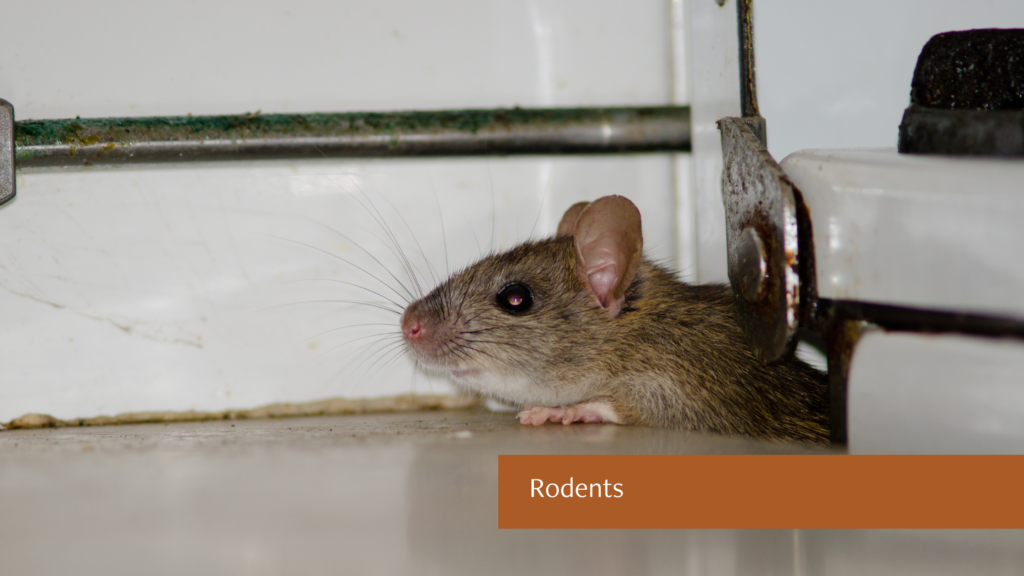
The Roof Rat is the most prevalent rodent species in Tampa and thrives in the city’s urban environment. An agile climber, it gains access to homes through rooflines, soffits, attic vents, and any gap larger than a half-inch. Once inside, rodents chew through electrical wiring, insulation, and wood contributing to structural damage and fire risk. They also spread disease through droppings and contaminated surfaces.
Rodent control requires both active trapping and structural exclusion. Sealing entry points with steel wool, hardware cloth, and metal flashing, combined with trimming trees away from the roofline, prevents re-entry after existing rodents are removed.
Additional Common Tampa Pests
- Fire Ants build large mounds in Tampa lawns and deliver painful venomous stings. Colonies can contain up to 500,000 workers and are extremely aggressive when disturbed.
- Bed Bugs have become increasingly common in Tampa and spread easily through travel, used furniture, and shared laundry. Professional heat treatment is the most reliable elimination method.
- Stinging Insects including paper wasps and yellow jackets build nests in eaves, wall voids, and underground cavities throughout Tampa neighborhoods, posing a risk of anaphylaxis for individuals with venom allergies.
The Most Effective Tampa Pest Control Methods
Year-Round Exterior Perimeter Treatments
Consistent exterior perimeter treatments are the foundation of effective pest control in Tampa’s climate. Applied every 60 to 90 days by a licensed professional, perimeter treatments create a protective barrier at your foundation, around entry points, and along the building envelope stopping pests before they get inside. A year-round plan eliminates the costly cycle of reacting to active infestations.
Integrated Pest Management (IPM)
The United States Environmental Protection Agency (EPA) endorses Integrated Pest Management as the gold standard for effective, environmentally responsible pest control. IPM prioritizes accurate pest identification, targeted treatments, and preventive measures over broad chemical applications. For Tampa homeowners with children, pets, or chemical sensitivities, IPM-based pest control delivers better long-term results with a safer application approach.
Termite-Specific Treatment Programs
Given Tampa’s termite risk, a standalone general pest plan is not enough. Dedicated termite protection whether through soil termiticide applications, bait monitoring station systems, or fumigation for drywood species should be maintained separately and consistently. Annual inspections verify that existing treatments remain effective and catch new activity early.
Professional Mosquito Control Programs
Monthly professional mosquito treatments during Tampa’s rainy season, combined with standing water elimination, provide the most effective and sustained reduction in mosquito populations on your property. Professional-grade products and targeted application methods deliver results that consumer sprays simply cannot match.
Tampa Pest Prevention Tips
The best pest control strategy combines professional treatments with smart habits at home:
- Fix moisture problems immediately. Repair leaking pipes, clean gutters regularly, and address any areas where water pools after rain. Moisture attracts termites, cockroaches, and rodents more than almost anything else.
- Seal your home’s exterior. Inspect the foundation, roofline, utility penetrations, and door and window frames for gaps. Seal any opening a quarter-inch or larger before pests use it as an entry point.
- Eliminate standing water. Empty containers, birdbaths, and plant saucers weekly. Clear clogged gutters after rain. Standing water is the primary mosquito breeding source in residential yards.
- Keep landscaping trimmed back. Maintain at least 18 inches of clearance between shrubs, mulch, and your home’s exterior walls. Trim tree branches that overhang the roofline to prevent rodent access.
- Store food and waste securely. Use sealed containers for pantry items, wipe down counters and sweep floors after meals, and keep garbage cans tightly covered.
Choosing the Right Tampa Pest Control Company
Every pest control company operating in Florida must be licensed by the Florida Department of Agriculture and Consumer Services. When choosing a provider, verify current licensing, ask about their specific experience with Tampa-area pest species, request written estimates before any work begins, and look for service guarantees that include follow-up visits if pest activity continues between scheduled treatments.
Consistent positive reviews from local customers and a clear, transparent explanation of what treatments will be used and why are reliable indicators of a trustworthy company.
How Brooks Pest Solutions Protects Tampa Homes
Brooks Pest Solutions delivers professional pest management built around the specific species, seasons, and pest pressures of the Tampa Bay area. Every service begins with a thorough property inspection that identifies current activity, structural vulnerabilities, and conditions that are putting your home at risk, followed by a customized treatment plan designed for your property specifically.
From termite protection and mosquito control to rodent exclusion and year-round general pest defense, Brooks Pest Solutions provides the consistent, expert-level service Tampa homeowners need to keep their properties protected in every season.
Contact Brooks Pest Solutions today to schedule your inspection and build a pest control plan that works for your Tampa home.
Frequently Asked Questions
How often should Tampa homes receive pest control treatments? Bimonthly exterior perimeter treatments are the recommended standard for Tampa’s year-round pest pressure. Termite inspections should be conducted annually, and mosquito treatments are most effective when applied monthly during peak season.
Is year-round pest control really necessary in Tampa? Yes. Tampa’s mild winters mean pest activity never fully stops. Insects, rodents, and termites remain active and reproductive throughout the year, making consistent year-round protection significantly more effective than seasonal treatments.
Are professional pest treatments safe for my family and pets? All products used by licensed professionals are EPA-registered and applied at concentrations established to be safe for occupants. Always notify your technician of children, pets, or health conditions in the household before any treatment begins.
What is the best way to prevent termites in a Tampa home? Annual professional inspections, maintaining active soil treatments or bait monitoring systems, fixing moisture issues, and eliminating wood-to-soil contact around your foundation are the most effective preventive measures for Tampa homeowners.