
Pest-Borne Illnesses: The Facts, Without the Fear
Every summer, the headlines come back. Lyme disease. West Nile virus. Some new tick or mosquito to worry about. If you have kids playing in the yard or a family that loves being outside, it is easy to feel like you are supposed to be scared.
Here is the honest truth: yes, some pests can carry disease. But the real risk to your family is usually much smaller than the headlines suggest, and a few simple habits make a big difference. You do not need to panic. You just need to know what actually matters.
This is that guide.
Want your home checked without the guesswork?
Call or text us at 945-245-4227 and we will help you build a simple protection plan. No pressure.
Mosquitoes: The Ones to Actually Watch
Mosquitoes are the pest most likely to spread illness in our area, mainly West Nile virus. The good news is that the vast majority of people bitten never get sick, and serious cases are rare. Still, prevention is easy and worth doing.
What actually helps:
- Dump standing water weekly. Kiddie pools, buckets, plant saucers, clogged gutters, and old tires are prime breeding spots. No standing water means far fewer mosquitoes.
- Use an EPA-registered repellent (DEET, picaridin, or oil of lemon eucalyptus) when you are outside at dawn and dusk, when mosquitoes are most active.
- Keep window and door screens in good repair so they stay outside.
Ticks: Small, but Worth Respecting
Ticks can carry Lyme disease and a few other illnesses. Most tick bites do not lead to any illness, and a tick usually has to be attached for many hours to transmit anything, which is exactly why quick removal matters so much.
Lower your risk:
- After time in tall grass, wooded edges, or leaf piles, do a quick tick check on kids, pets, and yourself. Behind the knees, waistline, hairline, and behind the ears are common spots.
- Keep grass mowed and clear leaf litter and brush where your yard meets the woods.
- Toss outdoor clothes in a hot dryer for 10 minutes to kill any hitchhikers.
How to Remove a Tick the Right Way
- Use fine-tipped tweezers and grab the tick as close to the skin as you can.
- Pull straight up with steady, even pressure. Do not twist, and skip the old myths about matches or nail polish.
- Clean the bite with soap and water or rubbing alcohol.
- Note the date. If a rash, fever, or flu-like symptoms show up in the next few weeks, call your doctor and mention the bite.
That is it. No panic required.
Rodents and Other Pests
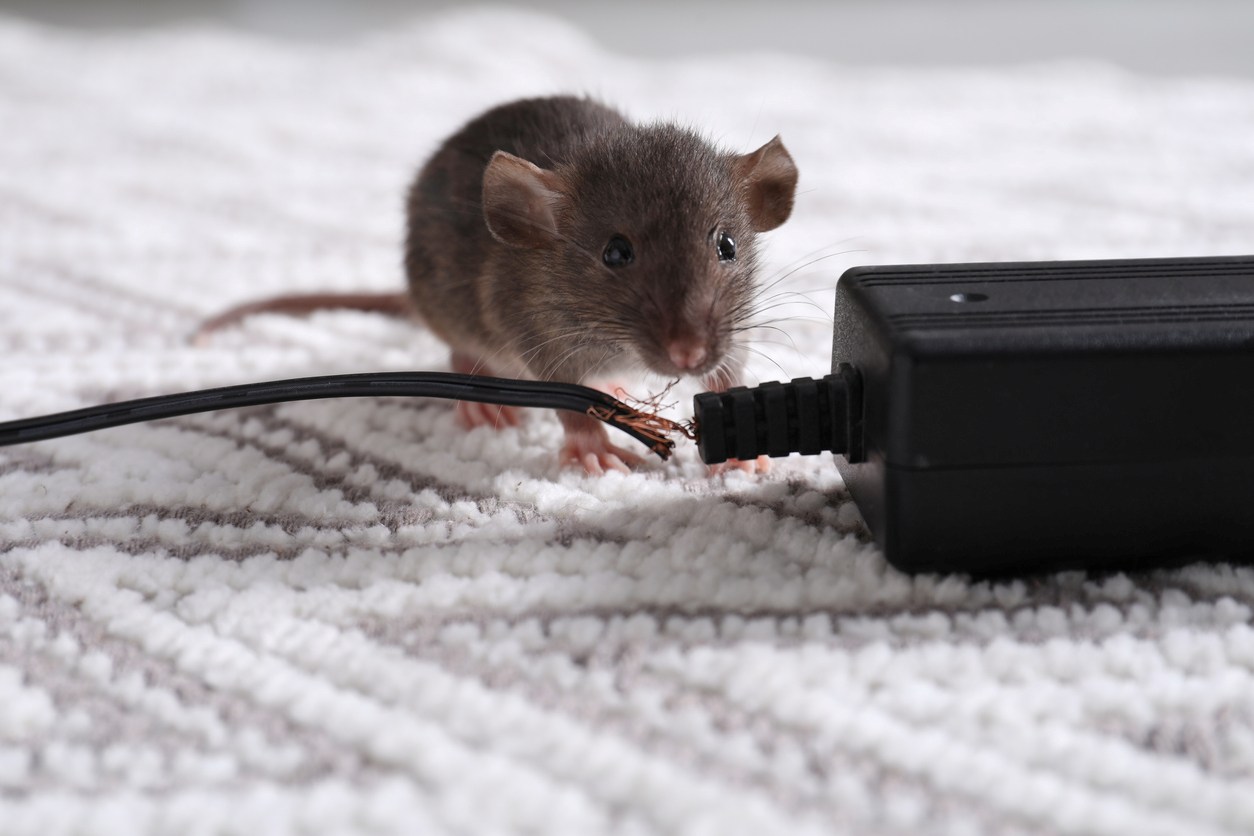
Mice and rats can spread illness through their droppings and urine, so it is worth keeping them out of the house in the first place. Seal gaps around pipes and doors, store food and pet food in sealed containers, and keep an eye on the garage and pantry. Fleas and cockroaches can aggravate allergies and asthma, which is another good reason to stay ahead of them.
What Actually Keeps Your Family Safe
If you remember nothing else, remember this short list:
- Remove standing water every week.
- Do quick tick checks after outdoor play.
- Use repellent at dawn and dusk.
- Keep the yard trimmed and the home sealed.
- Watch for symptoms after a bite, and call your doctor if something feels off.
Simple, consistent habits beat panic every time.
When to Bring in a Pro
If you are seeing heavy mosquito activity, finding ticks regularly, or spotting signs of rodents, that is a good time to let us help. A professional treatment plan targets the places these pests breed and hide, so your family gets to enjoy the yard instead of worrying about it.
We are always happy to answer questions, no pressure. Call or text us at 945-245-4227 or visit brookspestsolutions.com.
Stay safe out there, and enjoy your summer.