
McAllen’s Guide to Common Pests
McAllen, Texas sits at the southern tip of the Rio Grande Valley, and if you have lived here for any length of time, you already know that the subtropical climate does not just attract snowbirds. It attracts pests of every kind, year-round, in numbers that would surprise most people who have never lived this far south. With temperatures regularly climbing above 90°F, humidity that rarely lets up, and winters mild enough that most insects never truly die off, McAllen is one of the most pest-active cities in the entire United States.
This guide covers the most common pests McAllen residents deal with, the risks they pose, what warning signs to look for, and how professional pest control from Brooks Pest Solutions can help you reclaim your home and yard.
Why McAllen Is a Hotspot for Pest Activity
McAllen’s location in Hidalgo County places it in USDA Hardiness Zone 9b-10a. Meaning the region experiences long, intensely hot summers and winters that rarely see a freeze. This climate is essentially a paradise for insects, rodents, and other pests that would be killed off by cold snaps in northern states.
A few factors that make McAllen especially vulnerable:
- Near-tropical temperatures: Average highs sit above 95°F from June through September, and even January averages a high of 70°F. Pests that would hibernate or die in colder climates stay active in McAllen throughout the entire year.
- High humidity and seasonal flooding: The Valley receives bursts of intense rainfall, particularly during summer months, creating standing water and moist soil conditions that breeding insects depend on.
- Proximity to the border and natural corridors: McAllen’s geographic position means it sees pest species that are uncommon in other parts of Texas, including invasive fire ant varieties and specific mosquito species that carry diseases prevalent in Latin America.
- Agriculture and green spaces: The surrounding Rio Grande Valley is one of the most productive agricultural regions in the country. Farms, citrus groves, and irrigated fields create a constant reservoir of pest populations that spill over into residential areas.
The Most Common Pests in McAllen, Texas
1. Termites
No pest causes more financial damage to McAllen homeowners than termites. The Rio Grande Valley is located in what the pest control industry classifies as a Zone 1 termite infestation area, the most severe category in the country. Two species are of particular concern in McAllen:
Subterranean Termites are the most widespread. They live underground in large colonies and build mud tubes to travel from the soil into the wooden structures of your home. A mature subterranean termite colony can contain hundreds of thousands of workers consuming wood continuously, 24 hours a day.
Formosan Termites, sometimes called “super termites,” are an invasive species that has established itself across South Texas. Formosan colonies are significantly larger than native subterranean termite colonies and can cause structural damage at a much faster rate. The United States Forest Service estimates that Formosan termites alone cause over $1 billion in damage and control costs annually in the United States.
Warning signs of termite activity:
- Mud tubes along your foundation, walls, or plumbing penetrations
- Soft or hollow-sounding wood when tapped
- Swarming winged termites (swarmers) emerging in spring or after rain
- Discarded wings near windows, doors, or light fixtures
- Sagging floors, bubbling paint, or doors and windows that suddenly stick
Annual termite inspections are not optional in McAllen, they are essential. The risk is simply too high and the damage too costly to leave undetected.
2. Cockroaches
McAllen is home to four cockroach species that regularly invade homes and businesses: the American Cockroach, the German Cockroach, the Smoky Brown Cockroach, and the Brown-Banded Cockroach. Each prefers slightly different environments but all thrive in McAllen’s warm, humid conditions.
The American Cockroach locally known as the “waterbug” is the largest of these species and commonly enters homes through sewer connections, floor drains, and gaps around plumbing. The German Cockroach is the most difficult to eliminate. A single female German cockroach and her offspring produce thousands of individuals within months under ideal conditions.
The Centers for Disease Control and Prevention (CDC) identifies cockroaches as significant contributors to indoor allergen levels and links cockroach exposure to increased rates of asthma in children. They also carry and transfer bacteria including Salmonella, E. coli, and Staphylococcus on their bodies and in their droppings.
If you have spotted a single cockroach during the day, it is almost always a sign of a larger population hiding in walls, under appliances, or inside cabinets. Cockroaches are nocturnal and avoid light, daytime sightings typically mean the population has grown large enough that competition is forcing individuals out into the open.
3. Mosquitoes
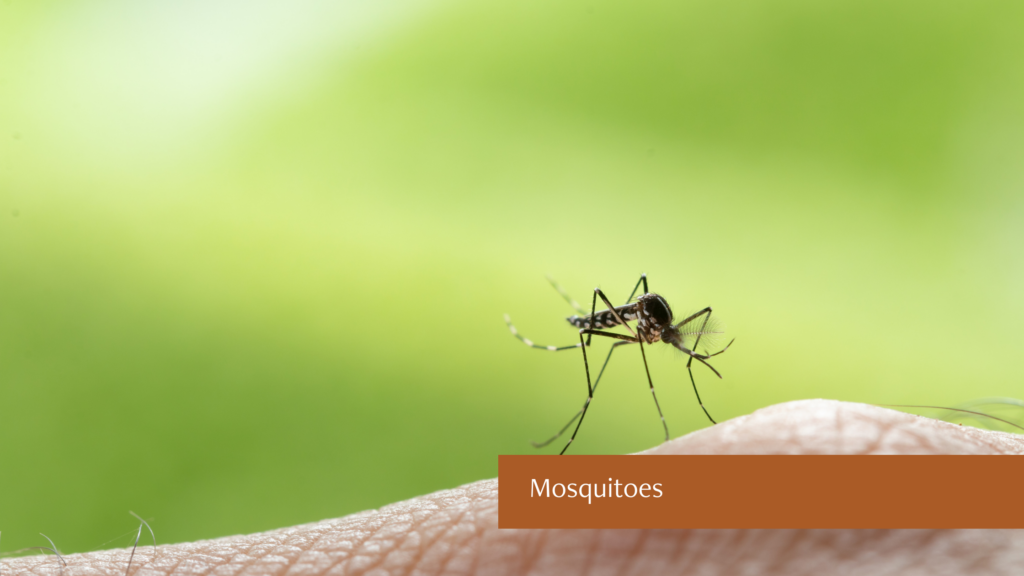
Mosquitoes are a serious public health concern in McAllen and throughout Hidalgo County. The warm climate, seasonal rainfall, and extensive irrigation infrastructure of the Rio Grande Valley create near-perfect breeding conditions for multiple mosquito species.
The Texas Department of State Health Services actively monitors mosquito-borne diseases in the Valley, including West Nile Virus, Dengue Fever, Zika Virus, and Chikungunya. McAllen’s proximity to Mexico means it sees occasional outbreaks of mosquito-transmitted illnesses that rarely appear in other Texas cities.
The Aedes aegypti mosquito, a primary vector for Dengue, Zika, and Chikungunya is well established in McAllen and surrounding areas. Unlike many mosquito species that are most active at dawn and dusk, Aedes aegypti bites aggressively during the day, making outdoor activities risky without protection.
Standing water sources that breed mosquitoes include:
- Clogged gutters and downspouts
- Bird baths and ornamental ponds without aeration
- Unused flowerpots, buckets, and containers
- Low-lying areas in the yard that hold water after rain
- Tarps, pool covers, and equipment that collects rainwater
Professional mosquito treatments targeting both adults and breeding sites are the most effective way to significantly reduce mosquito populations on your property.
4. Fire Ants
Red Imported Fire Ants are one of the most aggressive and medically significant pests in the Rio Grande Valley. Introduced to the United States in the 1930s, fire ants have spread across the entire Southern United States, and McAllen sits squarely in the heart of their range.
Fire ant colonies can contain up to 500,000 workers and build mounds that extend deep underground. They are extremely aggressive when disturbed, swarming rapidly and delivering venomous stings that cause an immediate burning sensation followed by pustules that can take days to heal. For individuals with venom allergies, fire ant stings can trigger anaphylaxis, a potentially fatal allergic reaction.
According to Texas A&M AgriLife Extension, fire ants cost Texas an estimated $1.2 billion annually in medical treatment, agricultural damage, and control efforts. They build mounds in lawns, playgrounds, around utility boxes, and inside the walls of structures, making them a threat in virtually every outdoor and indoor environment.
5. Rodents
The Norway Rat and the Roof Rat are the two most problematic rodent species in McAllen. Roof Rats, in particular, are well adapted to South Texas’s urban and suburban environment. They are agile climbers that gain access to homes through rooflines, soffits, utility conduits, and gaps as small as a half-inch in diameter.
Rodents in McAllen cause damage in several ways. They gnaw continuously on wood, insulation, and electrical wiring. The National Pest Management Association estimates that rodents are responsible for up to 25 percent of all structure fires of unknown origin in the United States due to wire damage. They contaminate food supplies and surfaces with droppings and urine, spreading diseases such as leptospirosis, hantavirus, and rat-bite fever.
Fall and winter months see increased rodent pressure as animals seek warmth inside structures, but in McAllen’s mild climate, rodents remain active and reproductive throughout the year.
6. Scorpions
Scorpions are a reality of life in South Texas, and McAllen residents encounter them more often than most Texans further north. The Striped Bark Scorpion is the most common species in the area and is regularly found indoors in shoes, bedding, closets, and bathrooms, as well as under rocks, boards, and debris outdoors.
Scorpion stings are painful and can cause localized swelling, numbness, and in sensitive individuals, more serious systemic reactions. Children and the elderly are at higher risk for severe reactions. Scorpions are primarily nocturnal and are drawn into homes through gaps in foundations, around pipes, and under doors.
Professional pest treatments that target scorpions require specialized knowledge of their harborage patterns and a focus on sealing entry points in addition to chemical treatments.
7. Spiders
Several spider species in McAllen warrant attention, particularly the Black Widow and the Brown Recluse, both of which are medically significant. Black Widows are recognizable by the red hourglass marking on their abdomen and are commonly found in garages, sheds, woodpiles, and the underside of outdoor furniture. Brown Recluse spiders prefer dry, undisturbed indoor spaces like closets, attics, and boxes that are not frequently moved.
Both species are venomous. Black Widow venom is a neurotoxin that can cause intense pain, muscle cramps, and in rare cases, serious systemic illness. Brown Recluse bites cause tissue death at the bite site and can result in wounds that take weeks or months to heal. The American Association of Poison Control Centers receives thousands of spider bite reports annually.
Reducing clutter, wearing gloves when working in storage areas, and shaking out shoes and clothing left on the floor are practical daily habits that reduce spider bite risk.
8. Wasps and Yellow Jackets
Paper wasps and yellow jackets are active throughout most of the year in McAllen, building nests in eaves, attic vents, wall voids, and underground cavities. Yellow jackets are especially aggressive and will sting repeatedly when their nest is threatened. Their populations peak in late summer and early fall, when colonies are at maximum size.
Attempting to remove a wasp or yellow jacket nest without professional equipment and training is dangerous and frequently results in multiple stings. Licensed pest control technicians have the protective gear and the right products to eliminate nests safely and completely.
DIY Pest Control vs. Professional Pest Control in McAllen
The abundance of pest control products at local hardware stores can give homeowners a false sense of security. While some products provide short-term relief for minor pest issues, most consumer-grade formulations are far less concentrated and effective than the commercial-grade products used by licensed professionals.
| Factor | DIY Pest Control | Professional Pest Control |
| Upfront cost | Lower | Higher but better value over time |
| Effectiveness | Moderate for prevention | High for active infestations |
| Product strength | Consumer-grade | Commercial-grade, EPA-registered |
| Pest identification | Often guesswork | Expert species-level diagnosis |
| Safety | Risk of misapplication | Trained, licensed application |
| Long-term results | Inconsistent | Reliable with service guarantees |
For a city like McAllen, where pest pressure is year-round and species like Formosan termites, fire ants, and disease-carrying mosquitoes are legitimate health risks, professional pest management is not a luxury, it is a practical investment in your home and your family’s wellbeing.
What to Look for in a McAllen Pest Control Company
Choosing the right pest control provider is just as important as choosing to hire one. Here is what to look for:
State Licensing: Every pest control company operating in Texas must be licensed by the Texas Department of Agriculture. Verify that both the company and its individual technicians hold current, valid licenses before hiring.
Local Experience: McAllen’s pest pressures are distinct from those in other Texas cities. A company with experience specifically in the Rio Grande Valley will understand the local species, seasonal timing, and the construction styles common to homes in the area.
Integrated Pest Management (IPM): Reputable companies use IPM principles, which prioritize inspection, identification, and targeted treatments over blanket chemical applications. IPM approaches are safer for families, pets, and the environment.
Written Estimates and Transparent Pricing: A trustworthy company will always provide a written estimate before work begins, clearly explaining what treatments will be used, why, and what results you can expect.
Service Guarantees: Look for companies that stand behind their work with follow-up visits and satisfaction guarantees. Pest control is an ongoing process, not a one-time event.
Verified Reviews: Check Google Business reviews, the Better Business Bureau, and neighborhood platforms like Nextdoor for consistent, recent feedback from McAllen customers specifically.
A Seasonal Pest Calendar for McAllen Homeowners
Unlike most of the United States, McAllen does not get a true winter break from pest activity. However, pest pressure does shift throughout the year in predictable ways.
Spring (March – May) Termite swarm season begins in earnest after the first warm rains. Fire ant mounds become highly active as temperatures rise. Mosquito populations start building rapidly. Schedule a termite inspection and begin mosquito prevention treatments early in the season.
Summer (June – August) Peak season for virtually every pest in McAllen. Mosquitoes reach maximum activity, cockroach populations surge, scorpion encounters increase as insects they prey on become abundant, and rodents seek cool, shaded shelter inside air-conditioned structures. Exterior perimeter treatments every 60 to 90 days are recommended during this period.
Fall (September – November) Wasp and yellow jacket nests reach maximum size and aggression levels. Rodent pressure increases as animals begin establishing winter harborage. Spiders become more visible. Inspect the exterior of your home thoroughly for entry points before the cool season.
Winter (December – February) In McAllen, winter is more of a “lower activity” period than a true pest dormancy season. German cockroaches remain active indoors year-round. Rodents already inside your home continue to breed. Scorpions remain active on warm nights. Preventive treatments and home sealing efforts during these months pay off significantly come spring.
Pest Prevention Tips for McAllen Homeowners
Proactive prevention dramatically reduces the likelihood of a serious infestation. These are the most impactful steps McAllen homeowners can take:
Eliminate standing water. Empty and scrub birdbaths weekly, clear gutters regularly, fix low-lying drainage issues in the yard, and tip out any containers that collect rainwater. Eliminating breeding sites is the single most effective way to reduce mosquito populations.
Seal your home’s exterior. Inspect your foundation, roofline, utility penetrations, garage door seals, and window and door frames for gaps. Even a quarter-inch opening is large enough for a cockroach to enter. Seal gaps with caulk, foam, or hardware cloth depending on the location and size.
Manage moisture indoors. Fix leaky pipes and faucets, run bathroom exhaust fans, and use a dehumidifier in crawl spaces or utility rooms. Moisture attracts termites, cockroaches, and rodents.
Trim landscaping away from the structure. Keep shrubs, trees, and ground cover trimmed back at least 18 inches from your home’s exterior. Overhanging branches give roof rats direct access to your roofline. Dense vegetation close to the foundation provides hiding spots for scorpions and spiders.
Store food and waste properly. Keep all food in sealed containers, clean up spills immediately, and ensure that garbage cans have tight-fitting lids. Do not leave pet food and water dishes out overnight.
Schedule regular professional inspections. Annual termite inspections are the minimum recommendation for McAllen homeowners. Bimonthly exterior pest treatments are the most effective approach for year-round protection in this climate.
Why Brooks Pest Solutions Is the Right Choice for McAllen Pest Control
When you live in a city with McAllen’s year-round pest pressure, you need a pest control partner who understands the local environment and has the tools and expertise to deliver real, lasting results. Brooks Pest Solutions brings professional-grade pest management to McAllen homeowners and businesses with a service approach built on thorough inspections, targeted treatments, and genuine accountability.
Every Brooks Pest Solutions service begins with a detailed property assessment that goes beyond a quick walkthrough. Technicians identify active pest activity, conditions that are conducive to infestations, and potential entry points that are leaving your home vulnerable. From that assessment, a customized treatment plan is developed specifically for your property, not a one-size-fits-all package.
Whether you are facing a termite problem that needs immediate attention, dealing with recurring cockroaches or mosquitoes, or simply want the peace of mind that comes from year-round professional protection, Brooks Pest Solutions has the expertise to help.
Services available for McAllen area homes and businesses:
- General pest control for cockroaches, ants, spiders, and more
- Termite inspections, treatment, and monitoring programs
- Mosquito control and yard spray treatments
- Rodent exclusion and removal
- Stinging insect and wasp nest removal
- Year-round protection plans tailored to South Texas
Take the first step toward a pest-free home today. Contact Brooks Pest Solutions to schedule your inspection and receive a customized treatment quote.
Frequently Asked Questions About McAllen Pest Control
Do I really need pest control year-round in McAllen? Yes. Unlike cities in northern states that get a pest “reset” every winter, McAllen’s mild climate means pests remain active and reproductive throughout the entire year. Year-round protection plans provide consistent defense against this ongoing pressure.
How do I know if I have termites or another wood-damaging pest? Termites typically leave behind mud tubes, frass that resembles soil mixed with sawdust, and hollow-sounding wood. Carpenter ants produce clean sawdust-like frass and are visible foraging. Only a professional inspection can provide a definitive identification and assessment of the damage.
Are the pesticides used by professional pest control companies safe for children and pets? Products used by licensed professional pest control companies are EPA-registered and applied at concentrations determined to be safe when applied according to label instructions. Always inform your technician about children, pets, and any health conditions in your household before treatment so they can select and apply products accordingly.
What is the best way to prevent mosquitoes in my McAllen yard? The most effective combination is eliminating all standing water sources, applying a professional yard treatment to vegetation where adult mosquitoes rest, and treating water features with larvicides where standing water cannot be eliminated. Professional treatments every 21 to 30 days during peak season provide the best results.
Can I treat a scorpion problem myself? Consumer-grade products have limited effectiveness against scorpions because they tend to avoid treated surfaces and hide in harborage areas that are difficult to reach. Professional treatments combined with thorough sealing of entry points provide the most reliable long-term control.
How quickly can a bed bug infestation spread? A single fertilized female bed bug can produce 200 to 500 eggs over her lifetime. Under ideal conditions, a small introduction can become a serious infestation within two to three months. Professional intervention as early as possible is critical to preventing a minor problem from becoming a major one.
Final Thoughts
Living in McAllen comes with incredible benefits, a vibrant community, rich culture, warm weather, and access to the unique beauty of the Rio Grande Valley. But that same warm climate that makes McAllen such a desirable place to live also makes it one of the most pest-active cities in the United States.
The good news is that with the right knowledge, good preventive habits, and a reliable professional pest control partner, you can protect your home, your family, and your peace of mind from even the most persistent pest pressures McAllen has to offer.
Brooks Pest Solutions is ready to help. Reach out today to schedule your inspection and start building a customized protection plan for your McAllen home.