
Atlanta Pest Control: A Quick Guide
If you live in Atlanta, you already know the heat, humidity, and lush green surroundings make it one of the most pest-prone cities in the entire Southeast. Whether you are dealing with a roach infestation in your kitchen, termites silently destroying your foundation, or mosquitoes turning your backyard into a no-go zone, pest control in Atlanta is not something you can afford to ignore. This guide walks you through everything you need to know about common Atlanta pests, when to call a professional, and how Brooks Pest Solutions can help protect your home and family.
Why Atlanta Has Such a High Pest Activity
Atlanta sits in a humid subtropical climate zone, which means long, warm summers and mild winters that rarely get cold enough to significantly reduce pest populations. According to the United States Environmental Protection Agency (EPA), warm and moist environments are the single biggest driver of pest reproduction and survival.
Several factors make Atlanta a hotspot for pest activity:
- High humidity: Atlanta averages over 50 inches of rainfall per year, creating the moist conditions that insects and rodents thrive in.
- Dense tree canopy: Atlanta is famously called the “City in a Forest,” and all that vegetation gives pests plenty of harborage and food sources.
- Urban heat island effect: Urban surfaces retain heat, keeping temperatures higher and pest seasons longer than in surrounding rural areas.
- Rapid suburban development: As new construction pushes into wooded areas, displaced pests migrate into homes and businesses in search of new shelter.
Understanding why pests are drawn to Atlanta is the first step toward keeping them out. The second step is knowing exactly which pests you are up against.
The Most Common Pests in Atlanta, Georgia
1. Termites
Termites are arguably the most destructive pest found in Atlanta. Georgia is located in what the pest control industry classifies as a “moderate to heavy” termite infestation zone, and the Eastern Subterranean Termite is by far the most prevalent species. These insects live underground in massive colonies and tunnel up through the soil to feed on the wood in your home’s structure, often for years before you notice any visible damage.
The United States Department of Agriculture (USDA) estimates that termites cause more than $5 billion in property damage across the United States every year, most of which is not covered by standard homeowner’s insurance. Early detection through professional inspections is the only reliable way to prevent catastrophic structural damage.
Signs of a termite infestation include:
- Mud tubes running along your foundation or basement walls
- Hollow-sounding wood when you tap on walls or floors
- Discarded wings near windowsills and door frames in the spring
- Blistering or bubbling paint that mimics water damage
- Tight-fitting doors and windows caused by moisture and wood swelling
2. Cockroaches
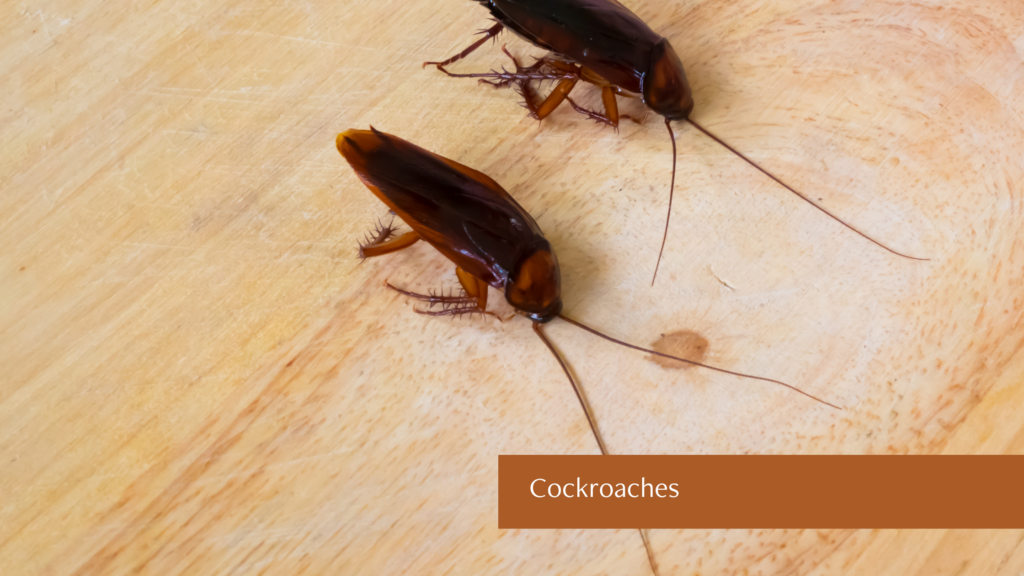
Atlanta is home to several cockroach species, with the American cockroach and the German cockroach being the most troublesome for homeowners and businesses alike. American cockroaches often called “palmetto bugs” in the South can grow up to two inches long and are frequently found in basements, crawl spaces, and around sewer drains. German cockroaches are smaller and far more difficult to eliminate once they establish a colony indoors.
Beyond being unsanitary and distressing, cockroaches pose a real health risk. According to the World Health Organization (WHO), cockroaches are known to carry pathogens responsible for diseases including salmonellosis, typhoid fever, and dysentery. They also produce allergens that trigger asthma attacks, particularly in children.
3. Mosquitoes
Mosquitoes are a seasonal but serious concern in Atlanta from spring through fall. The Aedes albopictus, or Asian Tiger Mosquito, is particularly aggressive and can breed in as little as a bottle cap worth of standing water. Mosquitoes are more than just a nuisance, they are the deadliest animal on the planet due to their ability to transmit diseases.
The Centers for Disease Control and Prevention (CDC) lists West Nile Virus as the most commonly transmitted mosquito-borne disease in the continental United States, and Georgia sees active cases each year. Proper yard treatment and standing water elimination are essential components of mosquito management.
4. Rodents (Rats and Mice)
Rodents are year-round pests in Atlanta, but they become especially problematic in the fall and winter months when they seek warmth indoors. The Norway Rat and the Roof Rat are the two most common species in Atlanta. Roof Rats, in particular, are excellent climbers and frequently gain entry through rooflines, attic vents, and gaps around utility lines.
Rodents can cause serious damage to your home by gnawing through electrical wiring (a leading cause of house fires), insulation, and wood. They also contaminate food storage areas with droppings and urine, spreading diseases such as leptospirosis and hantavirus.
5. Ants
Georgia is home to dozens of ant species, but fire ants and Argentine ants are the biggest headaches for Atlanta homeowners. Fire ants build large mounds in lawns and landscaping and deliver painful, venomous stings. Argentine ants form “supercolonies” with multiple queens, making them extremely difficult to control with store-bought baits.
Carpenter ants are also worth mentioning, they do not eat wood like termites do, but they tunnel into moist or rotting wood to build their nests, causing structural damage over time.
6. Bed Bugs
Bed bug infestations have increased dramatically across the country over the past two decades, and Atlanta is no exception. These tiny, blood-feeding insects hide in mattress seams, headboards, furniture, and electrical outlets. They are excellent hitchhikers and can come home with you from hotels, movie theaters, and even public transportation.
Bed bugs are notoriously difficult to eliminate without professional heat treatment or targeted pesticide applications. A single missed egg can restart an entire infestation.
7. Stinging Insects (Wasps, Yellow Jackets, and Hornets)
Yellow jackets and paper wasps build nests in eaves, attics, wall voids, and underground cavities across Atlanta. Yellow jackets are especially aggressive when their nests are disturbed, and unlike bees, they can sting multiple times. For individuals with venom allergies, a yellow jacket encounter can be life-threatening.
Bald-faced hornets build large paper nests in trees and shrubs and are highly defensive. Attempting to remove a stinging insect nest without professional equipment and training is dangerous and rarely successful.
DIY Pest Control vs. Professional Pest Control: What You Need to Know
Many Atlanta homeowners try to tackle pest problems on their own before calling in professionals. While DIY methods such as sealing entry points, removing standing water, and keeping food stored properly are all excellent preventive measures, they are rarely enough to eliminate an active infestation.
Here is a side-by-side comparison of what DIY and professional pest control can realistically accomplish:
| Factor | DIY Pest Control | Professional Pest Control |
| Cost | Lower upfront | Higher upfront, better long-term value |
| Effectiveness | Moderate for prevention | High for treatment and elimination |
| Product access | Consumer-grade formulations | Commercial-grade, targeted treatments |
| Safety | Risk of misapplication | Licensed, trained technicians |
| Inspection | Visual only | Thermal imaging, moisture meters, expert eye |
| Guarantee | None | Service guarantees and follow-up visits |
For minor, isolated pest issues, like a few ants near a door or a single wasp nest in a visible, accessible spot, DIY approaches can work. However, for termites, bed bugs, rodent infestations, or recurring pest problems, professional pest control is almost always necessary to achieve lasting results.
What to Look for in an Atlanta Pest Control Company
Not all pest control companies are equal. When choosing a pest control provider in Atlanta, look for the following:
Licensing and Certification: Every pest control company operating in Georgia must be licensed by the Georgia Department of Agriculture. Always verify that the company and its technicians hold current licenses before allowing them into your home.
Integrated Pest Management (IPM) Approach: IPM is a science-based approach that prioritizes the least-toxic methods of pest control first, using pesticides only when necessary and targeted. Companies that follow IPM principles are committed to protecting your family and the environment, not just eliminating the immediate problem.
Transparent Pricing: Reputable companies provide clear, written estimates before beginning any work. Be cautious of companies that pressure you to sign contracts on the spot or that cannot explain what treatments they plan to use.
Local Knowledge: Atlanta has a specific pest pressure profile that is different from other cities. A locally experienced pest control company understands seasonal patterns, common entry points in Georgia construction styles, and the specific species that are most active in your neighborhood.
Reviews and Reputation: Check Google reviews, the Better Business Bureau, and Nextdoor for feedback from actual local customers. Consistent, recent positive reviews are a reliable indicator of service quality.
Seasonal Pest Control Calendar for Atlanta Homeowners
Pest activity in Atlanta follows predictable seasonal patterns. Here is what to watch for throughout the year:
Spring (March – May) This is termite swarm season. Winged termites (swarmers) emerge from existing colonies to start new ones. Spring is also when mosquito populations begin to build, fire ant mounds become active, and stinging insects start building new nests. Schedule a termite inspection and start mosquito treatments in early spring.
Summer (June – August) Summer is peak season for nearly every pest in Atlanta. Mosquitoes reach maximum activity, cockroach populations surge indoors as temperatures rise, and rodents seek cool, shaded shelter inside homes. Regular exterior perimeter treatments are important during this period.
Fall (September – November) As temperatures drop, rodents begin seeking warmth indoors. Stinging insect nests reach maximum size and become more aggressive in September. Spiders, including venomous species like the Brown Recluse and Black Widow, become more visible as they seek shelter. Inspect your home’s exterior for gaps, cracks, and entry points before the cold sets in.
Winter (December – February) While pest activity slows in winter, it does not stop. German cockroaches remain active indoors year-round. Rodents that have successfully entered your home will continue to breed. Winter is an excellent time for proactive preventive treatments and home sealing.
Pest Prevention Tips Every Atlanta Homeowner Should Know
Prevention is always more cost-effective than treatment. These practical steps can dramatically reduce your home’s vulnerability to pest infestations:
Eliminate moisture sources. Fix leaky pipes, clear clogged gutters, and address areas of standing water in your yard. Moisture attracts termites, cockroaches, rodents, and mosquitoes alike.
Seal entry points. Inspect the exterior of your home for gaps around utility lines, cracks in the foundation, poorly sealed windows and doors, and gaps in roofline vents. Use caulk, steel wool, or hardware cloth to close these openings.
Store food properly. Keep food in sealed containers, clean up crumbs and spills immediately, and do not leave pet food out overnight. Open food sources are one of the primary reasons pests move indoors.
Manage your landscaping. Trim shrubs and tree branches away from the exterior of your home. Keep firewood stacked away from the house. Reduce mulch depth near the foundation, as thick mulch retains moisture and provides harborage for pests.
Schedule regular professional inspections. Annual termite inspections are recommended for every Atlanta homeowner, and quarterly exterior perimeter pest treatments are a smart investment for ongoing protection.
Why Choose Brooks Pest Solutions for Atlanta Pest Control
When it comes to protecting your home and family from Atlanta’s pest pressures, experience and reliability matter. Brooks Pest Solutions is a trusted pest control provider serving the Atlanta metro area with a commitment to thorough inspections, targeted treatments, and outstanding customer service.
Brooks Pest Solutions takes a comprehensive approach to pest management that begins with a detailed property assessment to identify current infestations, conducive conditions, and potential entry points. From there, a customized treatment plan is developed that targets your specific pest pressures using proven, safe, and effective methods.
Whether you need a one-time treatment for a specific pest problem or a year-round protection plan that keeps pests out in every season, Brooks Pest Solutions has the expertise and tools to get the job done right.
Services offered through Brooks Pest Solutions include:
- General pest control for ants, cockroaches, spiders, and more
- Termite inspections, treatments, and monitoring
- Mosquito control and yard treatments
- Rodent exclusion and removal
- Bed bug treatments
- Stinging insect removal
- Seasonal and year-round protection plans
Ready to take the first step toward a pest-free home? Contact Brooks Pest Solutions today to schedule your inspection and get a customized quote.
Frequently Asked Questions About Atlanta Pest Control
How often should I have my home treated for pests in Atlanta? For most Atlanta homeowners, a bimonthly exterior treatment plan provides the best year-round protection. Annual termite inspections are also strongly recommended given Georgia’s high termite pressure.
Are pest control treatments safe for my children and pets? Reputable pest control companies use products that are EPA-registered and applied at safe concentrations by licensed technicians. Always inform your technician about children, pets, and any health sensitivities in your household before treatment begins so they can choose the most appropriate products and application methods.
Do I need pest control if I don’t see any pests? Yes. Many of the most destructive pests, particularly termites, cause extensive damage long before they become visible. Preventive treatments and annual inspections catch problems early, before they become expensive.
How do I know if I have termites or carpenter ants? Both can cause wood damage, but their signs differ. Termites produce mud tubes and leave behind frass that looks like sawdust mixed with soil. Carpenter ants push out clean, sawdust-like frass and can often be seen foraging for food. A professional inspection is the fastest way to get an accurate identification.
Can I treat a bed bug infestation myself? DIY bed bug treatments are rarely successful because they cannot reach all harborage sites or kill eggs reliably. Professional heat treatments and targeted pesticide applications are the recommended approach for complete elimination.
Final Thoughts
Atlanta’s climate, landscape, and urban environment create ideal conditions for a wide range of pests that can threaten your health, your home, and your peace of mind. Whether you are dealing with an active infestation right now or simply want to be proactive about protecting your property, professional pest control is your most effective tool.
Brooks Pest Solutions is here to help Atlanta homeowners and businesses stay ahead of pest problems with expert knowledge, reliable service, and treatments that work. Do not wait until a small problem becomes a major one? reach out today and let the professionals handle it.