
How Do I Tell If I Have Rats or Mice?
Hearing a scratch or a scurry in the walls is enough to make any homeowner’s skin crawl. Your mind immediately jumps to one conclusion: rodents. But what kind are you dealing with? Knowing whether you have rats or mice is the first critical step toward reclaiming your home. While both are unwelcome guests, their habits, signs, and the methods required to control them can differ significantly.
This guide will help you identify the key differences between these pests. We will explore their physical characteristics, the droppings they leave behind, and their distinct behaviors. Understanding whether you have rats or mice will empower you to take the right course of action.
Physical Differences: Is It a Rat or Mice?
At a quick glance, you might just see a small, furry creature dashing across the floor. However, taking a closer look reveals several distinct physical traits that separate rats from mice.
Size and Body Shape
The most obvious difference is size. Rats are considerably larger and heavier than mice. A mature rat can measure from 11 to over 18 inches long, including its tail, and has a stocky, thick build. In contrast, a mouse is much smaller, typically only 5 to 7 inches long from nose to tail tip, with a more slender body. Think of a rat as being the size of a small potato, while a mouse is closer to the size of a large strawberry.
Head and Facial Features
The shape of the head and face is another clear indicator.
- Rats: Have a blunt, wedge-shaped snout and their ears are small and thick, appearing shorter in proportion to their head.
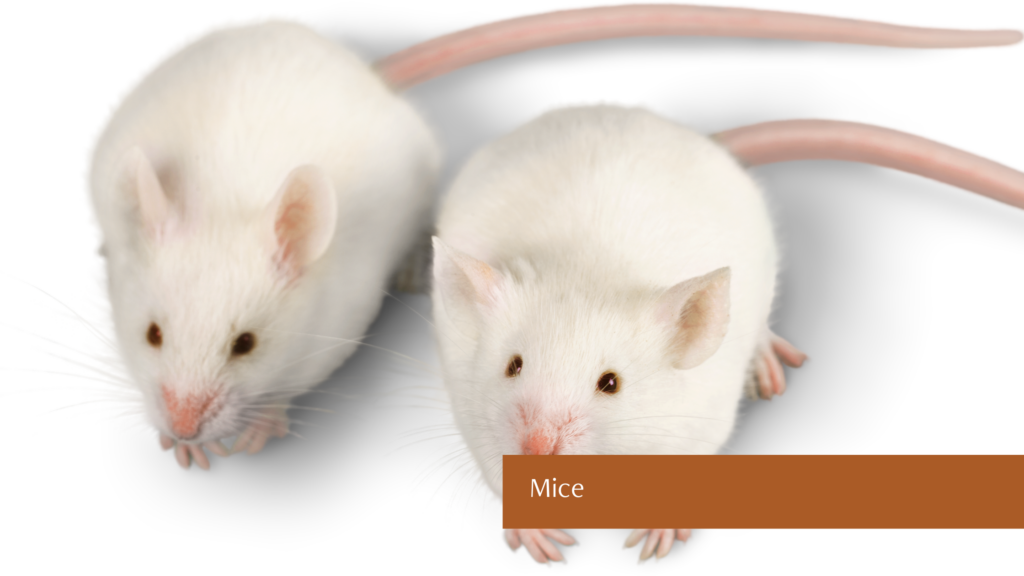
- Mice: Possess a more pointed, triangular snout. Their ears are noticeably larger and more prominent in relation to their head size, often described as “floppy.”
Tail Appearance
Even the tail can tell you what kind of rodent you’re dealing with. A rat’s tail is thick, scaly, and often shorter than its body. A mouse’s tail is thin, hairy, and usually as long as or longer than its body.
Telltale Signs: What Rodents Leave Behind
Often, you won’t see the rodent itself, but you will find evidence of its presence. The signs left by rats or mice are a definitive way to identify your specific problem.
Droppings: The Unmistakable Clue
Rodent droppings are one of the most common signs of an infestation. Their size and shape are highly revealing.
- Rat Droppings: Are large, about ½ to ¾ of an inch long. They have a spindle or capsule-like shape with blunt ends. You will typically find them in small, concentrated groups.
- Mouse Droppings: Are much smaller, only about ⅛ to ¼ of an inch long. They are pointed at the ends and look like small, dark grains of rice. Mice produce a lot more droppings than rats, scattering them randomly as they travel.
Gnaw Marks
Both rats and mice have incisors that grow continuously, forcing them to gnaw on various materials to keep them worn down. The size of the gnaw marks can help you identify the culprit.
- Rats: Create large, rough gnaw marks, about ⅛ of an inch wide. They can chew through tough materials like wood, plastic, aluminum siding, and even soft metals.
- Mice: Leave behind smaller, scratch-like gnaw marks. Their chewing is less destructive on hard surfaces but can still destroy cardboard, paper, and electrical wiring.
Behavioral Clues: How Rats and Mice Act
Understanding the different behaviors of rats and mice can also help you pinpoint your pest problem. These creatures have different habits when it comes to nesting, feeding, and exploring.
Nesting Habits

Where you find a nest can be a major clue.
- Rats: Tend to be more cautious. Roof rats prefer to nest in upper areas of a building, such as attics, rafters, and false ceilings. Norway rats, on the other hand, are burrowers and will create nests in basements, crawl spaces, and underground.
- Mice: Are more curious and less wary. They build their nests close to a food source, using soft, shredded materials like paper, fabric, and insulation. You can find mouse nests in wall voids, storage boxes, kitchen cabinets, and behind appliances.
Feeding and Travel Patterns
How rodents search for food and move around your home differs as well. Mice are nibblers, eating small amounts from many different food sources. They confidently explore their territory, leaving droppings scattered everywhere. Rats are more cautious, often sticking to the same pathways along walls and avoiding open spaces. They tend to eat a larger amount of food from one or two locations. Determining whether you have rats or mice is essential for effective control, as their wariness can make them harder to trap.
What to Do When You Have Rats or Mice
Discovering any rodent in your home can be stressful. They not only cause property damage but also pose significant health risks by contaminating food and spreading diseases. Whether you have identified rats or mice, the goal is the same: remove them quickly and effectively.
If you suspect an infestation, it is crucial to act fast. While DIY methods exist, a persistent rodent problem often requires professional intervention. Experts can accurately identify the pest, locate entry points, and implement a comprehensive treatment plan to ensure your home is protected.Are you struggling to determine if you have rats or mice? For professional help and peace of mind, it’s best to contact a pest control specialist.
Brooks Pest Solutions offers expert rodent control services to safely and effectively eliminate infestations. Their experienced team can handle any rodent problem, big or small, and provide solutions to prevent them from coming back. Don’t let rats or mice take over your homege t the help you need today.