
Silverfish Insect Control: Protect Your Home Effectively
Have you ever spotted a small, silver, wriggling insect darting across your bathroom floor or hiding in a stack of old books? You’ve likely encountered a silverfish. While they don’t bite or carry diseases, these nocturnal pests can cause significant damage to your belongings. This guide will walk you through effective silverfish insect control, helping you understand, manage, and prevent these unwelcome guests in your home.
Understanding the Silverfish Problem
Silverfish are ancient insects, older than dinosaurs, that thrive in dark, damp, and humid environments. They get their name from their silvery-blue color and the fish-like way they move. Their diet consists primarily of starches and sugars, which they find in a surprising number of household items.
These pests are drawn to materials like paper, glue, bookbindings, wallpaper, and even certain textiles like cotton and linen. An unchecked infestation can lead to the destruction of important documents, cherished photo albums, and expensive clothing. Effective silverfish insect control is crucial to protect your property from this slow but steady damage.
Signs of a Silverfish Infestation
Because they are active at night and hide from light, you might not see the silverfish themselves. Instead, you may notice the signs they leave behind. Knowing what to look for is the first step in successful silverfish insect control.
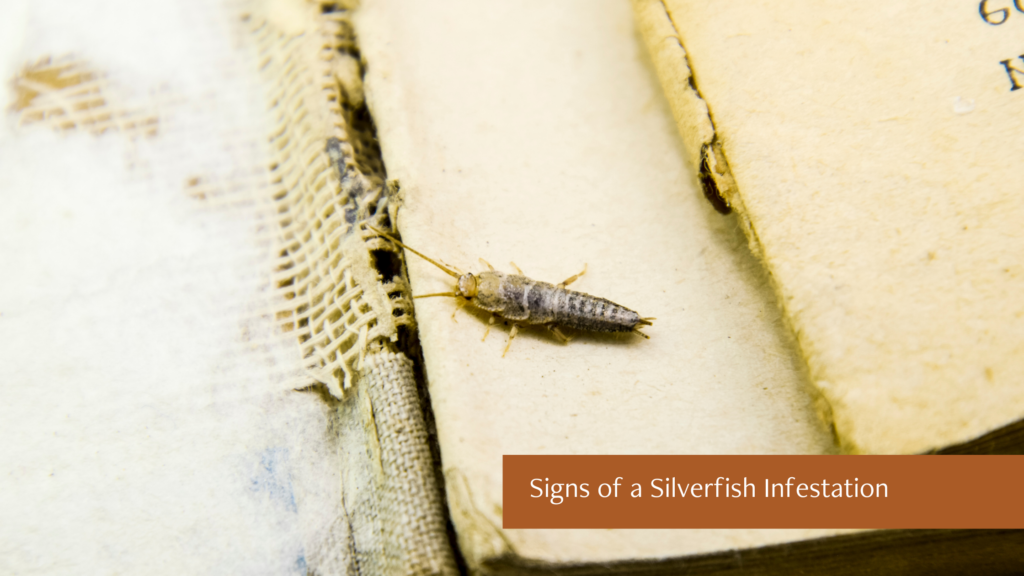
- Damage to Belongings: Look for small, irregular holes or notches in paper, books, or fabric. You might also see a yellowish stain on the materials they have fed on.
- Droppings: Silverfish leave behind tiny, black, pepper-like feces, often found in areas where they feed, such as in drawers, on bookshelves, or in cardboard boxes.
- Shed Skins: As silverfish grow, they molt and shed their skin. Finding these tiny, translucent casings is a clear indicator of their presence.
If you spot any of these signs, it’s time to implement a silverfish insect control strategy.
DIY Methods for Silverfish Insect Control
For minor issues, you can start with several do-it-yourself methods. These solutions focus on reducing the conditions that attract silverfish and trapping the ones already inside.
1. Reduce Humidity and Moisture

Silverfish need high humidity (typically 75-95%) to survive. Lowering the moisture levels in your home is one of the most effective long-term strategies for silverfish insect control.
- Use dehumidifiers in damp areas like basements, attics, and bathrooms.
- Ensure proper ventilation in kitchens and bathrooms by using exhaust fans.
- Fix any leaky pipes or faucets promptly to eliminate sources of water.
2. Remove Food Sources
Limiting their access to food will make your home less appealing. This is a key part of any silverfish insect control plan.
- Store dry goods like flour, sugar, and cereal in airtight containers.
- Keep books, magazines, and important papers in sealed plastic bins rather than cardboard boxes.
- Regularly vacuum carpets, floors, and upholstery to remove food crumbs and insect eggs.
3. Set Traps
You can create simple traps to catch silverfish. A popular method is the glass jar trap. Wrap the outside of a glass jar with masking tape to give the insects a surface to climb. Place a starchy food item, like a piece of bread or some oats, inside. Silverfish will climb in for the bait but won’t be able to climb back up the smooth glass interior. This is a simple but useful tactic for silverfish insect control.
4. Use Natural Repellents
Certain scents are known to repel silverfish. While not a complete solution, they can help deter pests from specific areas.
- Spread diatomaceous earth (food-grade) in cracks, crevices, and behind appliances. It dehydrates and kills insects that come into contact with it.
- Place dried bay leaves or cedar shavings in drawers, closets, and bookshelves.
When to Call a Professional for Silverfish Insect Control
DIY methods can be helpful, but they may not be enough to handle a widespread or persistent infestation. If you continue to see signs of silverfish despite your best efforts, it’s time to seek professional help.
Experts can accurately identify the extent of the infestation and locate nesting areas you might miss. They have access to commercial-grade treatments that are more effective and longer-lasting than consumer products.Professional silverfish insect control ensures the problem is handled thoroughly and provides you with strategies to prevent future occurrences. This expertise is invaluable for complete silverfish insect control.
Preventing Future Infestations
Once your home is free of silverfish, prevention is key. Continue to manage humidity levels, store items properly, and seal up potential entry points. Inspect and seal cracks in your foundation, walls, and around pipes to block their way in. Consistent vigilance is the best defense and a cornerstone of long-term silverfish insect control.
Don’t let silverfish silently destroy your valuable possessions. Take action at the first sign of trouble.Struggling with a persistent silverfish problem? Don’t wait for the damage to get worse. Contact our expert pest control team todayfor a comprehensive inspection and a tailored treatment plan to protect your home effectively!