
Queen Termite Facts and How to Control Termite Infestations
At the heart of every destructive termite colony lies a single, powerful figure: the queen termite. While worker termites are the ones you might see damaging your home’s structure, the entire infestation revolves around the survival and productivity of its queen. Understanding this central figure is key to grasping the severity of a termite problem and why professional control is essential.
What is a Queen Termite?
A queen termite is the primary reproductive female in a termite colony. Her sole purpose is to lay eggs, ensuring the continuous growth and survival of her massive family. Unlike the workers and soldiers, the queen termite is significantly larger, often growing to several inches in length over her lifespan. Her abdomen becomes enormously distended to accommodate her massive egg-laying capacity.
The journey to becoming a queen begins when a winged reproductive termite, known as an alate, leaves its home colony to mate. After a successful mating flight, the female finds a suitable location to start a new nest, sheds her wings, and becomes the new colony’s queen termite.
The Role of the Queen in the Colony
The queen termite is the engine of the infestation. In her early days, she handles all the duties of the colony, including tending to her first batch of eggs. Once these offspring mature into workers, they take over all other tasks. The workers are responsible for feeding the queen termite, grooming her, and carrying her eggs to incubation chambers.
A mature queen termite can live for more than a decade, and some species have queens that live for up to 25 years. Throughout her life, she can lay thousands of eggs per day. This incredible reproductive rate is why termite infestations can grow so large and cause extensive damage so quickly. The entire colony is structured to protect and serve the queen termite, as her survival is directly linked to their own. A colony without a productive queen termite will eventually die out.
From One Queen to a Major Infestation
A single queen termite initiates an infestation. She establishes the colony in a hidden, protected location, often underground or within the wooden structures of a building. For the first few years, the colony grows slowly and may go completely unnoticed. The initial signs are often subtle and easily missed.
However, once the colony is established and the queen termite reaches peak egg production, the population explodes. Tens of thousands, and eventually millions, of worker termites will venture out in search of cellulose—the primary component of wood. This is when the real damage to your property begins. The presence of a thriving queen termite means there is a constant supply of new workers ready to consume your home from the inside out.
Identifying and Controlling a Termite Infestation
Because the queen termite is hidden deep within the nest, you will likely never see her. Instead, you must look for signs of the workers she produces.
Common signs of a termite infestation include:
- Mud Tubes: Pencil-sized tunnels on foundation walls, support piers, or floor joists.
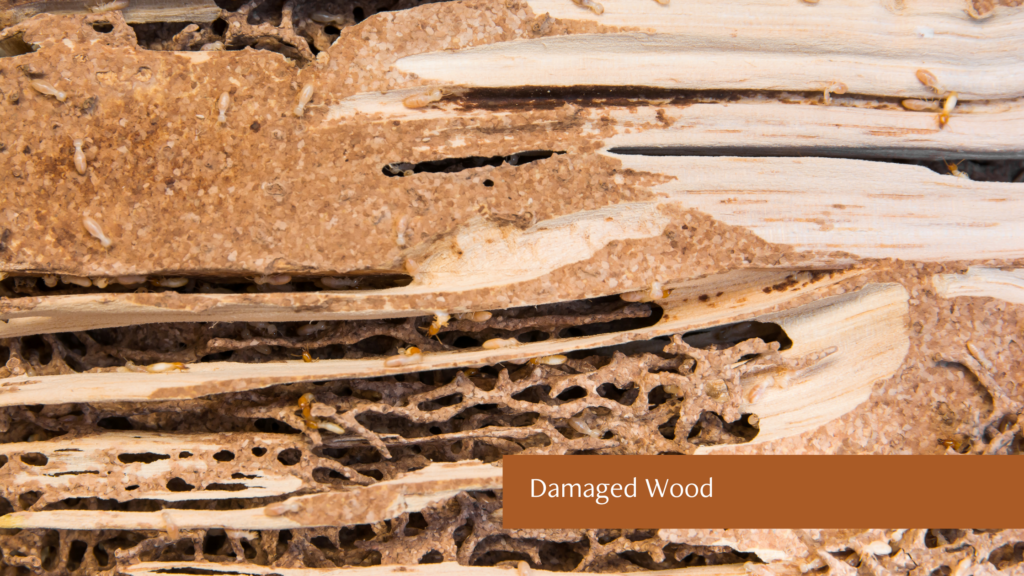
- Damaged Wood: Wood that sounds hollow when tapped or appears blistered or darkened.
- Swarmers: Winged termites emerging from the property, which are often the first visible sign of a mature colony.
- Frass: Termite droppings that look like tiny wood-colored pellets.
Why Professional Control is Crucial
DIY termite control methods are rarely effective because they fail to address the root of the problem: the queen termite. Simply spraying visible worker termites does little to stop the infestation. As long as the queen is alive and laying eggs, the colony will quickly replace its losses and continue its destructive path.
Professional pest control technicians have the tools and expertise to eliminate the entire colony, including the queen. They use advanced methods like baiting systems and liquid termiticides to target the nest directly.
- Baiting Systems: These systems use slow-acting bait that worker termites carry back to the colony. They share the bait with others, including the queen termite, leading to the gradual elimination of the entire population.
- Liquid Treatments: Professionals apply a liquid barrier around your home’s foundation. This treatment either repels termites or eliminates them on contact, effectively cutting off the colony’s access to your home and eventually starving them out.
Locating and eliminating the queen termite is the only way to guarantee a termite-free property. Without her, the colony cannot reproduce and will collapse.
Protect Your Home from the Queen Termite
The potential for a single queen termite to spawn an army of wood-destroying insects is a serious threat to any homeowner. Regular inspections and swift action with Brooks Pest Solutions at the first sign of trouble are your best defenses. Don’t wait for the damage to become severe. The longer a queen termite is left to reproduce, the more extensive and costly the repairs will be.Are you worried about termites in your home? Protect your biggest investment by ensuring it’s free from these destructive pests. Contact us today for a comprehensive inspection and a customized treatment plan to eliminate the queen termite and her entire colony for good.