
Insects That Resemble Roaches and How to Identify Them
That sudden skittering across the floor in the middle of the night can send a shiver down anyone’s spine. Your first thought is likely “roach.” While cockroaches are a common and unwelcome household pest, many other bugs are often mistaken for them. Correctly identifying the intruder is the first step toward effective pest management. Knowing the difference between roaches and other common household pests can save you time, money, and unnecessary stress. Many insects that resemble roaches have completely different behaviors and require different treatment methods.
This guide will walk you through the key characteristics of several common insects that resemble roaches. By understanding their distinct features, you can better determine what kind of pest you are dealing with and take the appropriate next steps.
Why are so many insects mistaken for roaches?
Several factors contribute to the frequent misidentification of pests. Roaches have a few general characteristics that are shared by many other insects: a flattened oval body, long antennae, and six legs. They are also typically brown or black and prefer dark, damp environments. When you see a fast-moving, dark-colored bug from a distance, it’s easy to jump to the conclusion that it’s a cockroach. However, a closer look often reveals key differences. Distinguishing between these pests is crucial because insects that resemble roaches might not pose the same health risks or require the same control strategies.
Common Insects That Resemble Roaches
Let’s explore some of the most common insects that resemble roaches and learn how to tell them apart. Having this knowledge is essential for homeowners who want to correctly identify a potential infestation.
1. Ground Beetles
Ground beetles are one of the most frequently misidentified insects that resemble roaches. These insects are often dark, shiny, and have a similar body shape.
- How to Identify Them: Unlike cockroaches, ground beetles have hard, rigid wing covers (elytra) that meet in a straight line down their back. Their antennae are more thread-like compared to the longer, more flexible antennae of a roach. Ground beetles are also primarily outdoor insects that wander inside by accident, often attracted by lights. You’ll typically find a single beetle, whereas roaches are social insects that usually indicate a larger infestation.
2. Crickets
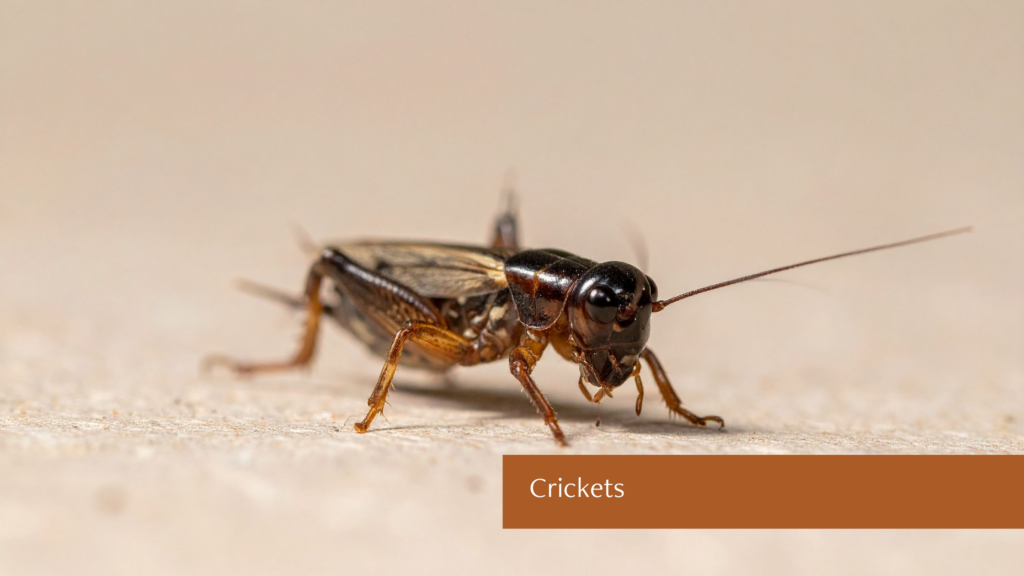
Field crickets, particularly, can be mistaken for roaches due to their dark color and long antennae. They are often found in similar environments, such as basements and crawl spaces.
- How to Identify Them: The most obvious difference is their powerful hind legs, which are large and designed for jumping. Roaches can run quickly but cannot jump. Crickets also “chirp” by rubbing their wings together, a sound roaches do not make. Their body shape is more cylindrical compared to the flattened, oval shape of a cockroach. Finding these specific insects that resemble roaches is common, but their jumping gives them away.
3. “Water Bugs” (Giant Water Bugs)
The term “water bug” is often used interchangeably with “cockroach,” but they are different insects. The true Giant Water Bug is an aquatic predator and quite different from the roaches you might find in your kitchen.
- How to Identify Them: Giant Water Bugs are typically much larger than common household roaches, sometimes exceeding two inches in length. They have large, pincer-like front legs used to catch prey. While they can fly, they live in or near water sources like ponds and streams. If you find one indoors, it’s almost always an accidental visitor. Misidentifying these large insects that resemble roaches is understandable given their size and color.
4. June Bugs (May Beetles)
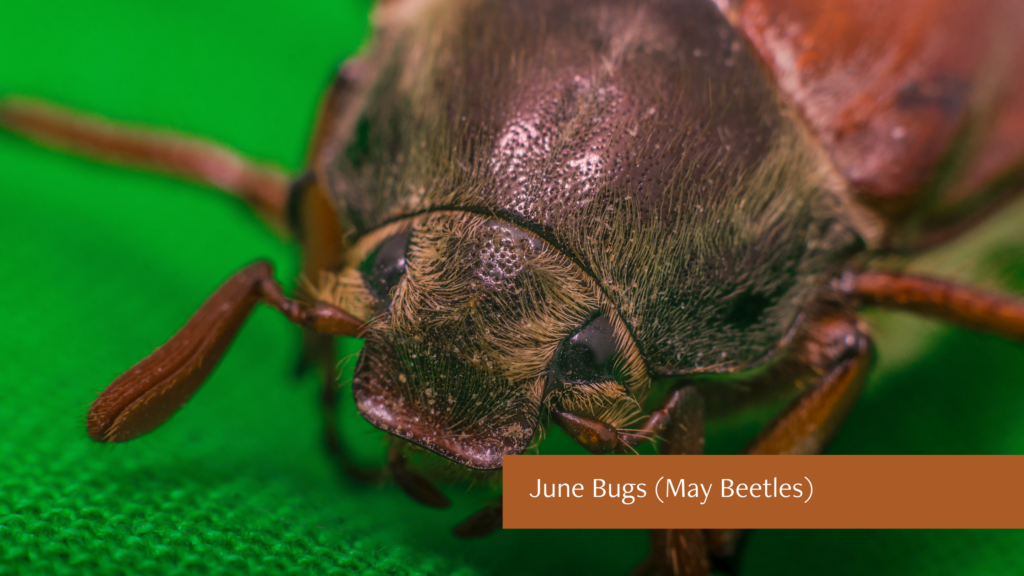
These clumsy fliers are a common sight during late spring and early summer evenings, often bumping into windows and porch lights. Their dark, oval bodies can lead to confusion.
- How to Identify Them: June bugs are much bulkier and rounder than cockroaches. Their flight is clumsy and noisy. Like ground beetles, they have hard wing covers. Cockroaches are far more agile and prefer to run rather than fly. The presence of June bugs is seasonal, while roaches can be a year-round problem.
5. Palo Verde Beetles
Found primarily in the southwestern United States, these massive beetles are often a terrifying sight for homeowners who assume they’ve found a gigantic cockroach.
- How to Identify Them: Palo Verde Beetles are one of the largest insects in North America, reaching up to 3.5 inches long. Their sheer size is a major differentiator. They have long antennae and prominent spines on their thorax. These beetles emerge during the summer monsoon season to mate and are attracted to lights at night. They are harmless to humans, unlike the health concerns associated with roaches.
6. Booklice
While much smaller than the other insects on this list, booklice can sometimes be mistaken for young cockroach nymphs in pantries and other storage areas.
- How to Identify Them: Booklice are tiny, soft-bodied insects, usually pale white or gray. They are wingless and much smaller than even the smallest cockroach nymph. They feed on mold and fungi found on decaying organic matter, such as the glue in old book bindings or food items in humid conditions. Many people searching for information on insects that resemble roaches are often dealing with these tiny pests.
When to Call a Professional
Correct identification is the first step, but dealing with an infestation is another matter entirely. While some of these insects that resemble roaches are harmless wanderers, others can signal underlying problems like excess moisture. Many DIY treatments fail because they don’t address the root cause of the infestation. Pests are skilled at hiding in cracks and crevices, making them difficult to eradicate completely. If you’re unsure what type of pest you have or are struggling to control a known infestation, it’s time to seek expert help.Don’t let pests take over your peace of mind. For a definitive identification and a comprehensive treatment plan tailored to your specific situation, contact us today. Our experts can identify all insects that resemble roaches and provide a solution that keeps your home safe and pest-free.