
Insects That Bite: Identification and Prevention Tips
Waking up with an itchy red welt is never a good way to start the day. Was it a spider? A mosquito? Or something worse, like a bed bug? Understanding the world of insects that bite is the first step toward protecting yourself and your home from these tiny aggressors.
While many bugs are harmless, insects that bite can cause irritation, allergic reactions, and sometimes transmit serious diseases. Knowing what you are dealing with can help you treat the bite effectively and prevent future infestations.
Why Do Insects Bite?
Most insects that bite do so for two main reasons: defense or feeding. Some, like bees and wasps, sting to protect their hive or themselves. Others, like mosquitoes and ticks, feed on blood to survive or reproduce.
When we talk about insects that bite, we are usually referring to pests that see humans as a food source. Their bites often involve injecting saliva that prevents blood clotting, which causes the familiar itching and swelling.
Common Insects That Bite: Identification Guide
Identifying the culprit is crucial. Here are some of the most common insects that bite and how to recognize them.
1. Mosquitoes
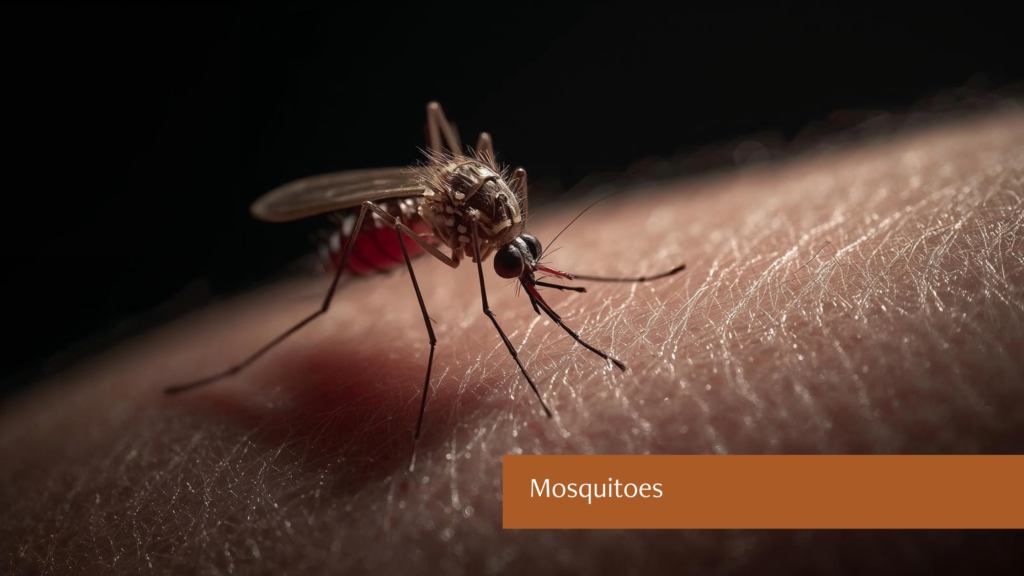
These are perhaps the most notorious insects that bite. You usually hear their high-pitched whine before you feel them.
- Appearance: Small, flying insects with long legs and a proboscis (feeding tube).
- Bite: Puffy, red bumps that appear minutes after the bite. They are notoriously itchy.
- Risk: They can carry diseases like West Nile virus and Zika virus.
2. Fleas
If you have pets, you might encounter fleas. However, even pet-free homes can be invaded by these jumping insects that bite.
- Appearance: Tiny, dark jumping bugs.
- Bite: Usually clustered around the ankles and lower legs. They appear as small red dots with a red halo.
- Habit: They thrive in carpets and pet bedding.
3. Ticks
While technically arachnids, ticks are often grouped with insects that bite due to their parasitic nature.
- Appearance: Small, flat, tear-shaped bodies that swell significantly after feeding.
- Bite: Often painless initially. You might find the tick attached to your skin.
- Risk: A “bullseye” rash can indicate Lyme disease, a serious condition transmitted by deer ticks.
4. Horse Flies and Deer Flies
Unlike the surgical precision of a mosquito, these are insects that bite with a painful slash.
- Appearance: Large, robust flies, often with iridescent eyes.
- Bite: Painful, bleeding bites that can cause significant swelling.
- Habit: Common in rural areas or near bodies of water.
Prevention Tips: Keeping Biting Insects Away
Dealing with insects that bite requires a proactive approach. Prevention is always better than trying to soothe an itchy bite later.
- Remove Standing Water: Mosquitoes breed in stagnant water. Check your gutters, birdbaths, and flower pots regularly.
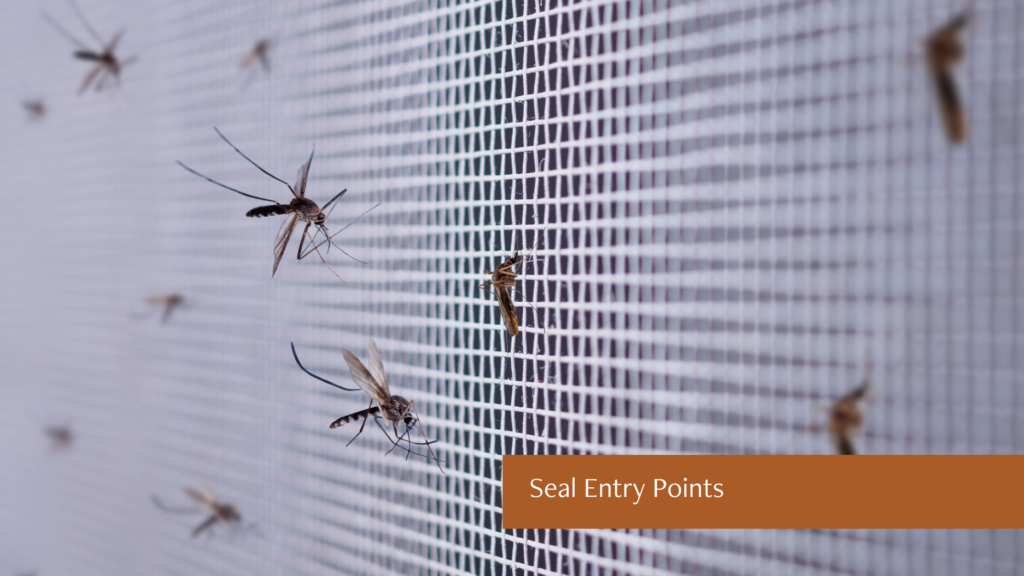
- Seal Entry Points: Keep insects that bite out of your home by repairing torn screens and sealing cracks around windows and doors.
- Use Repellents: When outdoors, use EPA-registered insect repellents containing DEET or Picaridin.
- Wear Protective Clothing: If you are hiking in areas known for ticks or insects that bite, wear long sleeves and pants tucked into socks.
- Check Your Pets: Treat your pets with veterinarian-approved flea and tick prevention medication.
When to Seek Professional Help
Sometimes, DIY methods aren’t enough. If you notice signs of a severe infestation like seeing or getting bitten nightly despite your efforts, it is time to call in experts. Persistent populations of insects that bite can establish colonies in your walls or yard that over-the-counter sprays cannot reach.
Don’t let insects that bite take over your comfort and safety. Taking action early can save you from itching, allergic reactions, and sleepless nights.
Protect Your Home Today with Brooks Pest Solutions
Are you tired of waking up with mysterious bites? Are insects that bite preventing you from enjoying your backyard? Do not let pests rule your home. Our team of certified pest control professionals can identify the infestation and eliminate it at the source.Contact us todayfor a free inspection and reclaim your peace of mind!