
Can You Ever Fully Get Rid of Termites?
The short answer is yes but keeping them away forever is a different challenge entirely.
Termites are often called “silent destroyers” for a reason. They can chew through the wooden framework of your home for months, or even years, without you ever noticing a single sign of their presence. By the time you spot a mud tube or a discarded wing, the damage is often already extensive.
For many homeowners, the discovery of an infestation leads to a moment of panic and one burning question: Is it actually possible to get rid of termites completely?
While modern pest control methods are incredibly effective at eliminating active colonies, the battle against these pests is rarely a “one-and-done” event. Termites are relentless, part of a natural ecosystem that is constantly trying to reclaim dead wood—including the wood in your house.
In this guide, we’ll explore the reality of termite eradication, why DIY methods often fail, and how professional strategies can protect your home for the long haul.
Why Are Termites So Hard to Eliminate?
Understanding why termites are so persistent helps explain why getting rid of them is such a complex task. Unlike ants that might just be looking for crumbs in your kitchen, termites are looking for their primary food source: cellulose. This is found in wood, paper, and even some types of insulation.
They Live in Massive Colonies
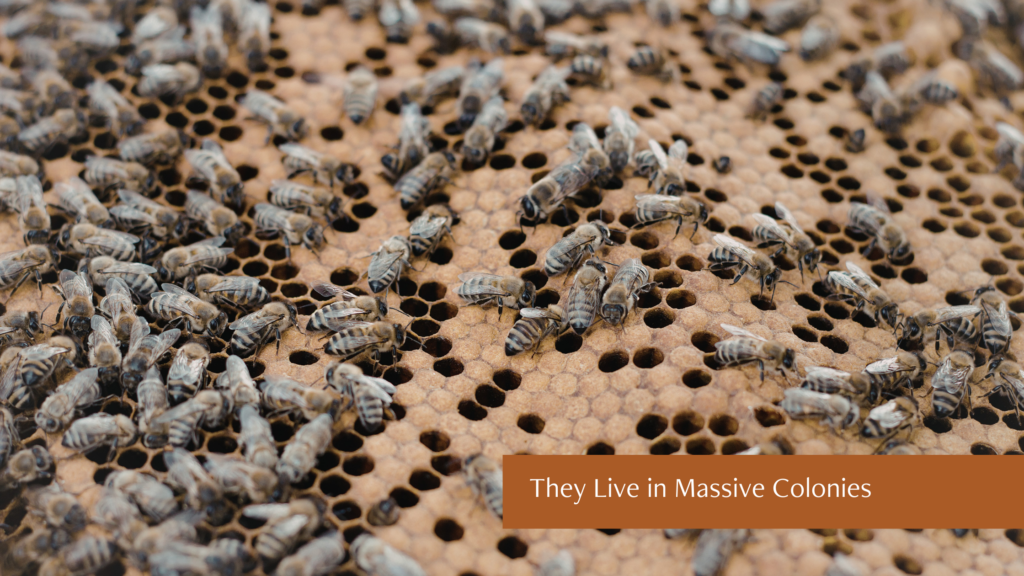
A single subterranean termite colony can house hundreds of thousands—sometimes millions—of individual insects. These colonies are often located deep underground, far away from where you see the actual damage in your home. Killing the termites you see on your wall is just the tip of the iceberg; the queen and the rest of the colony are likely safe in the soil, continuing to reproduce.
They Are Masters of Hiding
Termites are cryptic by nature. Subterranean termites build mud tubes to travel safely from the soil to your home, keeping them hidden from predators and the drying effects of the air. Drywood termites, on the other hand, can live entirely inside a piece of timber, eating it from the inside out until only a thin shell of paint remains.
Because they work from the inside, you often won’t see them until youspot signs of an infestation, like hollow-sounding wood or blistered paint.
They Are Relentless Foragers
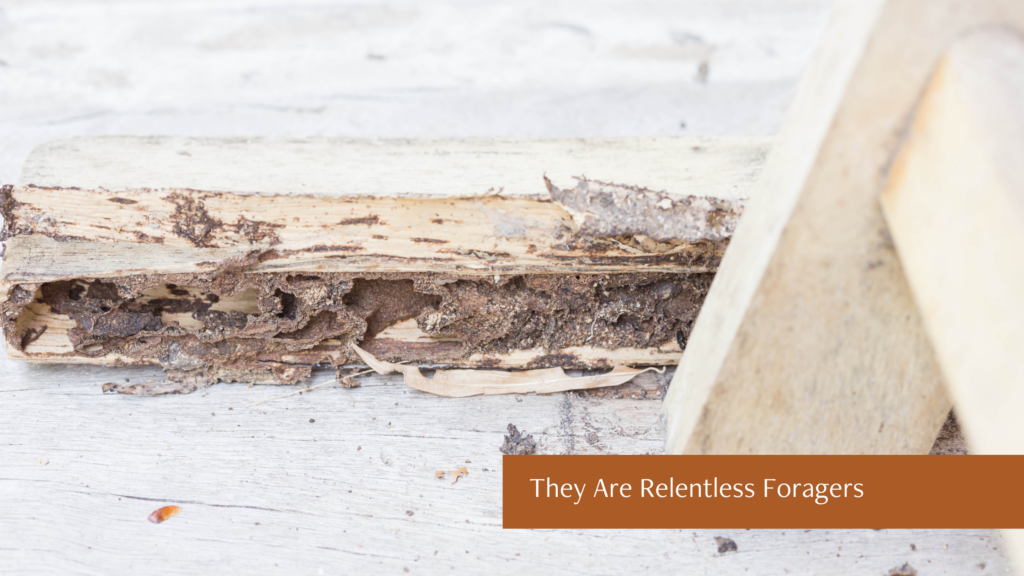
Even if you wipe out one colony, your home is still made of wood. New colonies are constantly swarming and looking for new places to establish themselves. Without a continuous barrier or monitoring system, a new group of termites can move in after the old one is gone.
The Problem with DIY Treatments
When faced with a termite problem, the temptation to handle it yourself is strong. Hardware stores sell plenty of sprays and traps that promise to kill termites on contact. However, relying on these methods for a full infestation is risky.
Most over-the-counter products are “repellents” or contact killers. They might kill the termites they touch, but they don’t reach the heart of the colony. In fact, spraying a group of foraging termites can sometimes make the problem worse. It can cause the colony to fragment and move to a different, harder-to-reach part of your home to avoid the chemical.
Furthermore, DIY treatments rarely address the root cause. Unless you can inject treatment deep into the soil or inside the galleries within the wood, you aren’t truly eliminating the threat. For effective removal, you need products that termites can carry back to the nest to infect the rest of the population.
Professional Solutions: How Experts Get Rid of Termites
To fully eliminate an infestation, you need a strategy that targets the colony, not just the individual insects. Professional pest control companies use advanced methods that are far more effective than anything available to the general public.
Liquid Soil Treatments
One of the most reliable ways to treat subterranean termites is by creating a chemical barrier around your home. Professionals trench around the foundation and apply liquid termiticides to the soil.
Modern treatments use non-repellent termiticides. Instead of avoiding the treated soil, termites tunnel through it unknowingly. They pick up the lethal agent and transfer it to other members of the colony through grooming and feeding. This “transfer effect” eventually wipes out the entire population.
Bait Stations
Baiting systems are a smart, long-term solution. Stations are placed around the perimeter of your home containing a cellulose material that termites love. Once activity is detected, the bait is switched to a product containing a slow-acting insect growth regulator (IGR).
Worker termites eat the bait and share it with the colony. The IGR prevents them from molting or reproducing, leading to the gradual collapse of the colony. This is often the preferred method for homeowners who want to avoid drilling into their foundation or using large amounts of liquid chemicals.
Fumigation and Spot Treatments
For drywood termites that live inside the wood rather than the soil, the approach is different. If the infestation is widespread, whole-home fumigation (tenting) might be necessary to penetrate every crack and crevice. For smaller, localized issues, professionals might use foam injections or wood treatments to target specific galleries.
You can learn more about these different approaches in our guide oneffective ways to treat for termites.
Prevention: The Key to Staying Termite-Free
So, can you get rid of termites? Yes. But can you ensure they never come back? That depends on your prevention strategy.
Eliminating the current infestation is only “Step 1.” “Step 2” is making your home as unappealing to termites as possible. Termites are attracted to two main things: moisture and wood-to-soil contact.
Reduce Moisture Around Your Foundation
Termites need moisture to survive. Leaky faucets, clogged gutters, and poor drainage around your home’s foundation create the perfect damp environment for them to thrive.
- Fix Leaks: Repair any leaking pipes or AC units immediately.
- Divert Water: Ensure downspouts extend at least 4-6 feet away from your house.
- Ventilate: Make sure crawl spaces and attics have proper ventilation to reduce humidity.
Eliminate Wood-to-Soil Contact
This is the number one highway for termites into your home. If wood from your house touches the ground, termites can enter directly without building mud tubes, making them even harder to spot.
- Check Siding: Ensure siding starts at least six inches above the soil line.
- Mulch Wisely: Keep mulch at least 12-18 inches away from your foundation.
- Store Firewood Away: Never stack firewood against your house. Keep it off the ground and at a distance.
Schedule Regular Inspections
The most effective way to ensure you stay termite-free is through vigilance. Annual inspections by a professional can catch new activity before it turns into major structural damage. Think of it like a dental check-up; it’s much easier to fill a small cavity than to perform a root canal.
Catching an infestation early can save you thousands of dollars. Read more abouthow to spot an infestation early.
When to Call a Professional
If you see mud tubes, discarded wings on your windowsill, or notice your floorboards sound hollow, it is time to call in the experts. Waiting or trying to handle it yourself gives the colony more time to eat away at your investment.
At Brooks Pest Solutions, we understand that every home is unique. We don’t just treat the termites we see; we implement comprehensive protection plans designed to eliminate the colony and prevent future invasions.
You canprotect your home with termite control solutions tailored to your specific needs.
Our Locations
Brooks Pest Solutions proudly serves the following areas for termite control:
- Houston, TX
- Austin, TX
- Atlanta, GA
- San Antonio, TX
- Dallas, TX
- Lubbock, TX
- McAllen, TX
Can you ever fully get rid of termites?
Yes, you can eliminate an active infestation completely with the right professional help. However, because termites are a natural part of our environment, the risk of re-infestation will always exist.
True “eradication” isn’t just about killing bugs; it’s about ongoing protection. By combining professional treatment with smart prevention strategies and regular inspections, you can turn your home into a fortress that termites simply cannot breach.Don’t wait for the damage to become visible. Be proactive about your home’s health. If you suspect termites or just want peace of mind,contact Brooks Pest Solutions today to secure your property against these silent destroyers.