
Spider Pest Control: Web-Free Home Guide
Few things startle a homeowner quite like walking into a sticky web first thing in the morning or spotting an eight-legged guest scuttling across the living room floor. While most spiders are harmless and even beneficial for catching other bugs, nobody wants their home to feel like a haunted house.
Effective spider pest control isn’t just about squashing the ones you see; it’s about creating an environment where they don’t want to live. This guide will walk you through practical steps to keep your home web-free throughout every season.
Why Do Spiders Invade Homes?
Spiders enter homes for two primary reasons: food and shelter. Unlike other pests that might be after your crumbs or pantry staples, spiders are predators. If you have other insects in your house—flies, ants, or moths—you are inadvertently setting up a buffet for arachnids.
Understanding this food chain is the first step in successful spider pest control. By eliminating their food source, you make your home much less attractive. Additionally, as the weather cools down, spiders seek warmth and dry corners to spin webs or hunt, making fall and winter prime times for indoor sightings.
Actionable Tips for DIY Spider Prevention
Before calling in the pros, there are several maintenance tasks you can perform to reduce spider populations.
1. Seal Entry Points
Spiders can squeeze through tiny cracks in your foundation, gaps around windows, and spaces under doors. Grab a tube of caulk and seal up any visible cracks on your home’s exterior. Installing door sweeps is another simple yet effective spider pest control measure that physically blocks their entry.
2. Declutter and Organize
Spiders love chaos. Piles of boxes in the garage, stacks of old magazines, and cluttered closets provide perfect hiding spots. By keeping storage areas organized and using plastic bins with tight lids instead of cardboard boxes, you remove their favorite hangouts.
3. Maintain Your Landscape
Vegetation touching your home acts as a bridge for pests. Trim back bushes, trees, and ivy so they don’t contact your siding. Keeping firewood stacked away from the house is also crucial for spider pest control, as woodpiles are notorious nesting grounds for species like the Black Widow or Brown Recluse.
4. Reduce Outdoor Lighting
Insects are attracted to light, and spiders are attracted to insects. Consider switching your exterior lights to yellow sodium vapor bulbs, which attract fewer bugs. If the food source (moths and flies) isn’t gathering near your doors, spiders won’t build webs there.
When to Consider Professional Spider Pest Control
While DIY methods help, they often only address the spiders you can see. Professional spider pest control services go deeper. There are specific situations where professional intervention is necessary.
- Venomous Species: If you spot potentially dangerous spiders like Brown Recluses or Black Widows, do not attempt to handle them yourself. These bites can have serious medical consequences.
- Recurring Infestations: If you clear webs daily only to find them rebuilt the next morning, you have a larger population hiding out of sight.
- Egg Sacs: A single egg sac can contain hundreds of baby spiders. Professionals know how to identify and cautiously remove these before they hatch.
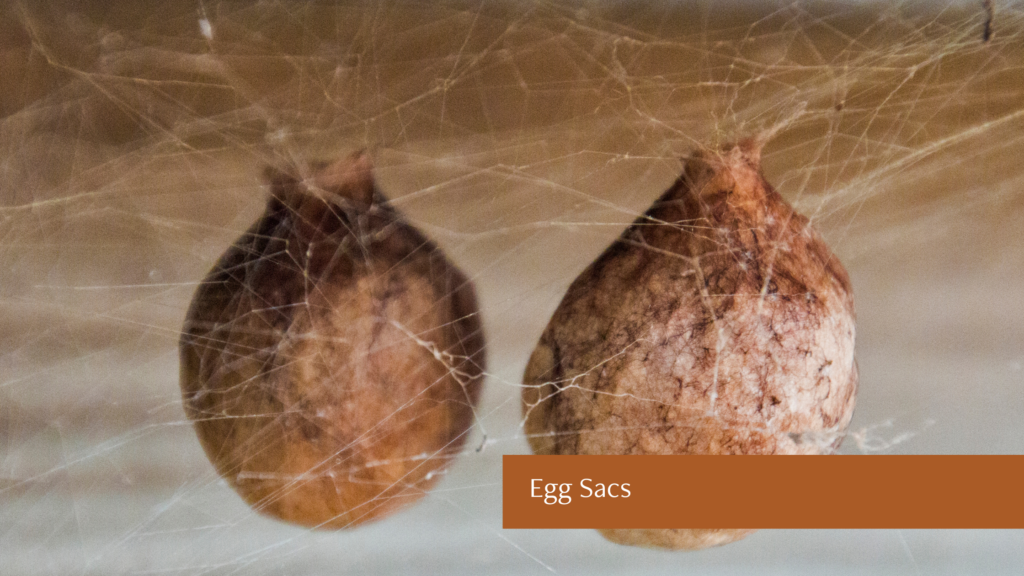
Expert spider pest control technicians use targeted treatments that create a barrier around your home. They also have the training to identify specific species and tailor their approach accordingly. According to the National Pest Management Association, professional pest management is critical for cautiously handling venomous species and ensuring long-term prevention.
The Year-Round Approach to Spider Pest Control
Spiders aren’t just a seasonal nuisance. While you might see them more often in the fall, they can live in your walls or crawl spaces year-round. Consistent spider pest control requires vigilance in every season.
- Spring: Deep clean your home, paying attention to corners and ceilings where cobwebs gather.
- Summer: Keep the perimeter of your home clear of overgrown vegetation.
- Fall: Seal cracks to prevent spiders from moving in for the winter.
- Winter: Check storage areas like attics and basements for signs of activity.

By maintaining a routine, you disrupt their life cycle. Regular inspections are a cornerstone of effective spider pest control, ensuring that a small problem doesn’t turn into a full-blown infestation.
Why General Pest Control helps with Spiders
Remember, spiders are hunters. One of the most effective ways to manage them is to manage the insects they eat. A comprehensive spider pest control plan often includes general insect control. When you reduce the population of ants, flies, and roaches in your home, spiders will naturally move elsewhere to find food.
Conclusion
Keeping your home free of spiders requires a mix of exclusion, sanitation, and professional help. You don’t have to share your space with eight-legged intruders. By sealing cracks, reducing clutter, and maintaining a regular spider pest control schedule, you can enjoy a web-free home all year long.
Don’t wait until you find a spider in your shoe to take action. Prevention is always easier than elimination.
Ready to reclaim your home?
If you are tired of sweeping down webs or worrying about venomous spiders, it’s time to call the experts. Our professional spider pest control services are eco-friendly and can provide long-lasting protection for your family.Contact us todayto schedule your comprehensive home inspection.