
The Ultimate Guide to Getting Rid of Rug Beetles Naturally
Discovering tiny, unwelcome guests in your favorite wool rug can be unsettling. If you’ve spotted small, dark insects or their bristly larvae, you might be dealing with an infestation of rug beetles. These pests have a specific appetite for the natural fibers found in your home’s textiles. Fortunately, you can effectively get rid of rug beetles using natural, chemical-free methods that are cautious for your family and pets.
This guide provides a comprehensive plan to identify, eliminate, and prevent these fabric-damaging insects. We will cover everything from what they look like to the specific steps you can take to reclaim your home.
Identifying a Rug Beetle Problem
Before you can treat an infestation, you need to be sure you’re dealing with the right pest. Rug beetles are a type of carpet beetle, specifically from the Attagenus genus, often called black carpet beetles. While their habits are similar to other carpet beetles, they are known for their preference for heavier textiles like rugs and woolen goods.
Key signs of an infestation include:
- Visible Larvae: The most destructive stage is the larval stage. You may find small, carrot-shaped larvae, about 1/4 inch long, that are covered in golden-brown bristles.
- Shed Skins: As the larvae grow, they molt, leaving behind brittle, shed skins in dark, undisturbed areas. These often accumulate under furniture, along baseboards, or within the rug fibers themselves.
- Adult Beetles: Adult rug beetles are small, oval-shaped, and typically black or dark brown. You might spot them near windows as they are attracted to light.
- Fabric Damage: The most obvious sign is damage to natural-fiber materials. Look for irregular holes or threadbare patches in wool rugs, blankets, and clothing.
These pests thrive on animal-based materials containing keratin, a fibrous protein. This is why wool, silk, fur, felt, and feathers are prime targets for hungry rug beetles.
Step-by-Step Natural Removal Plan
Once you’ve confirmed you have rug beetles, it’s time to act. This natural removal process focuses on thorough cleaning and using non-toxic substances to eliminate them at every stage of their lifecycle.
Step 1: Deep Vacuuming
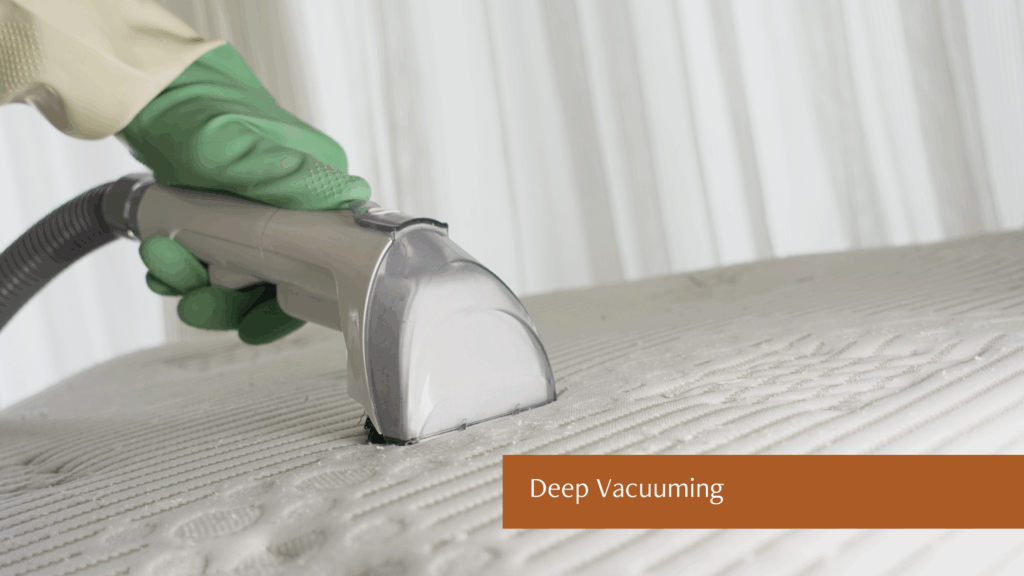
Your vacuum cleaner is your most powerful tool. Begin by vacuuming every rug, carpet, and upholstered piece of furniture in your home. Use the crevice tool to get deep into seams, along baseboards, and under the edges of furniture. Move slowly to allow the suction to pull up eggs and larvae. If your vacuum uses bags, seal the used bag in a plastic trash bag and dispose of it outside immediately to prevent re-infestation. Repeat this process every other day for at least a week.
Step 2: Wash or Freeze Infested Items
Gather all washable items that may be infested, such as blankets, pillows, and clothing. Wash them in the hottest water the fabric can tolerate to kill eggs, larvae, and adult beetles. For non-washable items like delicate textiles or small decorative rugs, you can use a freezing method. Place the items in a sealed plastic bag and leave them in a freezer for at least 72 hours.
Step 3: Use Steam Treatment
A steam cleaner is highly effective for killing rug beetles and their eggs on contact. The high temperature penetrates deep into rug fibers where vacuums can’t reach. Slowly go over your large rugs and carpets with a steam cleaner, paying close attention to areas where you’ve seen activity.
Step 4: Apply Food-Grade Diatomaceous Earth
Diatomaceous Earth (DE) is a natural, powdery substance made from fossilized algae. It works by absorbing the oils from an insect’s exoskeleton, causing it to dehydrate. Lightly sprinkle food-grade DE along baseboards, under furniture, and on the underside of rugs. Leave it for a few days before vacuuming it up. Always use food-grade DE, as it is cautious for homes with pets and children, and wear a mask during application to avoid inhaling the fine dust.
Step 5: Utilize Essential Oils
Certain essential oils can deter rug beetles. Cedar, lavender, and peppermint are excellent choices. Mix a few drops with water in a spray bottle and lightly mist your rugs and closets. You can also place cotton balls soaked in these oils in drawers and storage chests.
Preventing Future Infestations
Eliminating an active infestation is only half the battle. Preventing the return of rug beetles requires ongoing vigilance.
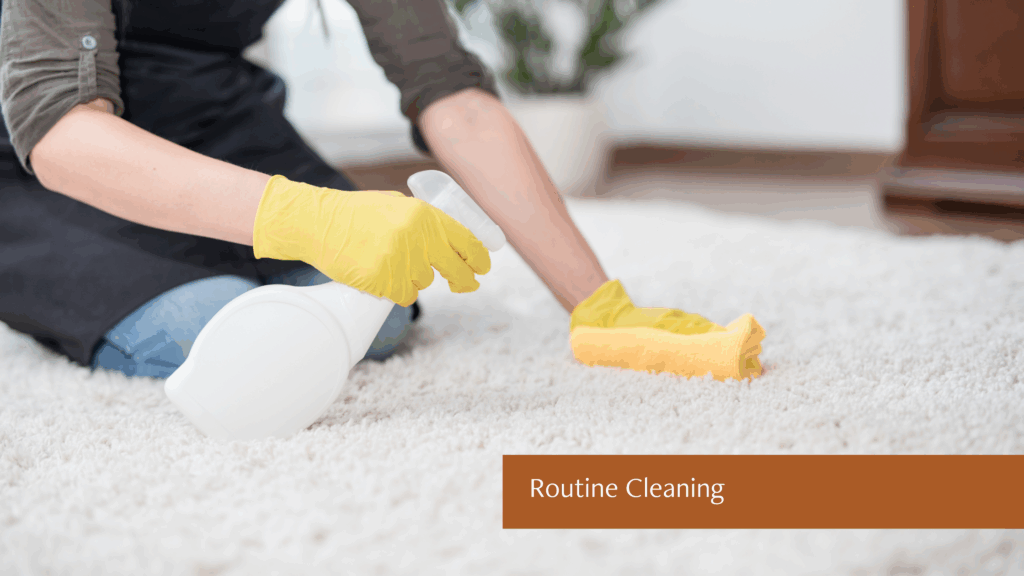
- Routine Cleaning: Vacuum regularly, focusing on areas where dust and pet hair accumulate.
- Proper Storage: Store out-of-season woolens, silks, and furs in airtight containers or bags.
- Inspect Secondhand Items: Carefully check any used furniture, rugs, or clothing for signs of pests before bringing them into your home.
- Seal Entry Points: Check for and seal cracks in foundations, walls, and around windows to block adult beetles from entering.
Natural Removal Checklist
- Deep vacuum all rugs, carpets, and furniture.
- Wash or freeze infested textiles.
- Steam clean large rugs and carpets.
- Apply food-grade Diatomaceous Earth in affected areas.
- Use essential oil repellents like cedar or lavender.
- Seal cracks and crevices around your home.
When to Call a Professional
DIY methods are very effective for minor to moderate infestations. However, if you have a widespread problem with rug beetles or the infestation persists after trying these steps, it may be time to call for professional help. Don’t let rug beetles ruin your valuable textiles. Taking swift, natural action can protect your home and give you peace of mind.
Is the Battle Against Beetles Bugging You?
If you’ve tried everything and are still struggling with a stubborn pest problem, it’s time to bring in the experts. Our professional pest control team offers cautious and effective solutions tailored to your home’s needs. Contact us today for a free consultation and enjoy a pest-free home tomorrow