
Why Are We Infested with Crickets?
Have you noticed an uptick in the chirping sounds around your home lately? It might not be your imagination. A sudden increase in the population of crickets can feel like an overnight invasion. One moment, everything is quiet; the next, it seems like thousands of these jumping insects have taken over your property. Understanding why you’re suddenly seeing so many crickets is the first step toward managing them effectively.
This post will explore the primary reasons behind a cricket infestation. We will look into environmental triggers, the role of seasonal shifts, and how our own activities might be inviting these noisy pests into our spaces.
The Perfect Storm: Environmental Factors That Attract Crickets
Crickets are highly sensitive to their environment. Certain conditions can create a perfect breeding ground, leading to a population boom. When these factors align, an infestation can seem to appear out of nowhere.
Moisture is a Magnet
Like many insects, crickets thrive in damp environments. Excessive rainfall, high humidity, or even over-watering your lawn can create the moist conditions they love. Areas around your home that retain water—such as leaky faucets, clogged gutters, or poorly drained garden beds—become prime real estate for these insects. These damp spots provide the moisture that crickets need to survive and reproduce.
The Influence of Temperature
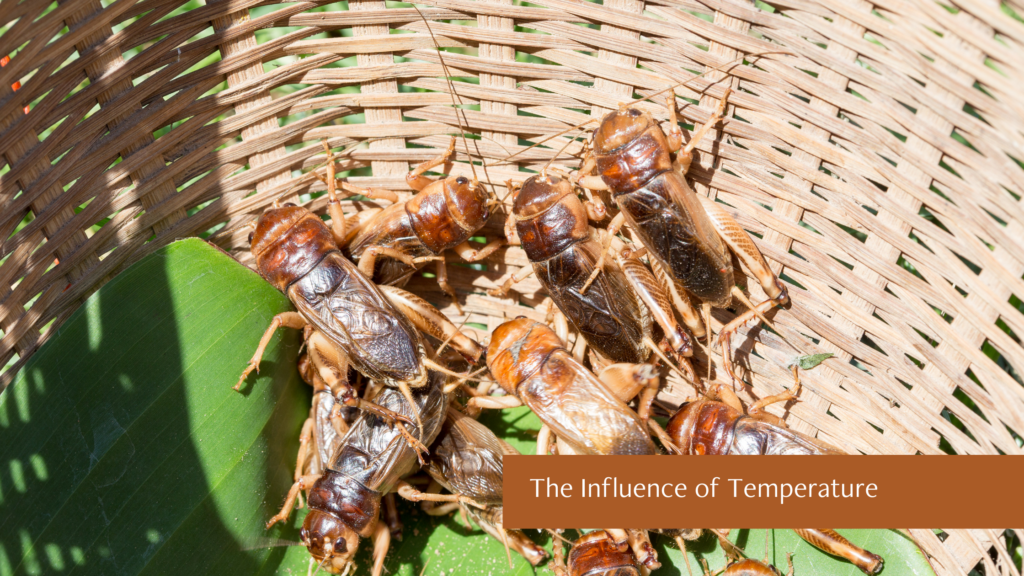
Temperature plays a crucial role in the life cycle of crickets. They are most active and reproduce most efficiently in warm weather. A long, warm summer can lead to multiple generations of crickets reaching maturity, resulting in a significant population increase by the end of the season. As temperatures begin to drop in the fall, these warmth-loving insects seek shelter, which often means finding their way into your home.
Seasonal Shifts and the Cricket Calendar
The number of crickets you see is often tied directly to the time of year. Their life cycle and behavior are dictated by seasonal changes, which explains why infestations often seem to peak during specific months.
Spring and Summer: The Breeding Season
Spring marks the beginning of the cricket season. As temperatures rise, overwintering eggs hatch, and the young crickets (nymphs) begin to grow. Throughout the warm summer months, they feed, mature, and reproduce. A mild spring followed by a hot, humid summer can lead to an explosion in the cricket population. This is when you’ll notice an abundance of crickets in your yard and garden.
Fall: The Great Migration Indoors
As summer ends and autumn begins, the outdoor environment becomes less hospitable for crickets. Cooler temperatures and reduced food sources drive them to seek warmth and shelter. Your home, with its consistent temperature and potential food crumbs, becomes an ideal refuge. They can enter through cracks in the foundation, gaps under doors, or open windows. This is why many homeowners report a sudden infestation of crickets inside their homes during the fall.
How Human Activity Contributes to Infestations
Our daily habits and property maintenance can unintentionally make our homes more attractive to crickets. Understanding these factors can help you make your property less inviting.
Light Attraction
Crickets are nocturnal and are strongly attracted to lights. Bright exterior lighting on porches, patios, and around windows can draw large numbers of them to your home at night. Once they are gathered near your house, it’s a short journey for them to find an entry point inside. The constant presence of these insects just outside your door increases the likelihood of an indoor problem.

Abundant Food and Shelter
Your yard can offer a buffet and a safe haven for crickets. Tall grass, unkempt weeds, woodpiles, and thick ground cover provide excellent hiding spots and protection from predators. Additionally, garbage cans that are not sealed properly can be a food source. By providing food and shelter, you are inadvertently supporting a growing population of crickets right on your doorstep.
Taking Control of Your Cricket Problem
Seeing a massive number of crickets can be unsettling. Their constant chirping can disrupt your peace, and a large infestation can even lead to damage to paper goods, fabrics, and stored food. While sealing entry points and managing your outdoor environment can help, a widespread infestation often requires a more direct approach.
If you find yourself overwhelmed by crickets, it may be time to call in professionals. Dealing with a cricket infestation? Don’t let the constant chirping drive you crazy. Contact us today to get a handle on the problem and restore peace to your home.