
Stung by a Wasp? Here’s What to Do (and What Not to Do)
A buzzing sound near your ear, a sudden sharp pain, and then the burning sensation begins. You’ve just been stung by a wasp. It’s a startling and painful experience that can happen to anyone spending time outdoors. While most wasp stings are just a temporary nuisance, knowing the right steps to take—and what to avoid—can make a significant difference in your comfort and cautiously. This guide provides practical, authoritative advice for handling a wasp sting and preventing future encounters.
Immediate Steps After Being Stung by a Wasp
Your first priority after being stung by a wasp is to act quickly to minimize pain and swelling. Unlike honeybees, which leave their barbed stinger behind, wasps can sting multiple times. Most of the time, a wasp will not leave its stinger in your skin. However, on rare occasions, the stinger might break off.
First Aid Checklist:
- Move away from the area calmly to avoid more stings.
- Gently wash the site with soap and water.
- Apply a cold compress to reduce swelling.
- Elevate the affected limb if possible.
- Consider over-the-counter pain or itch relief.
- Monitor for signs of an allergic reaction.
1. Check for the Stinger and Clean the Area
First, move to a cautious location away from the wasp. Wasps can release alarm pheromones when they sting, which can attract other wasps from the same nest.
Once you are cautious, examine the sting site. While it’s rare to be stung by a wasp and have a stinger left behind, it’s worth a quick check. If you see a small black dot, you can scrape it out with a fingernail or the edge of a credit card. Then, gently wash the area with soap and cool water to help prevent a secondary infection.
2. Apply a Cold Compress and Elevate
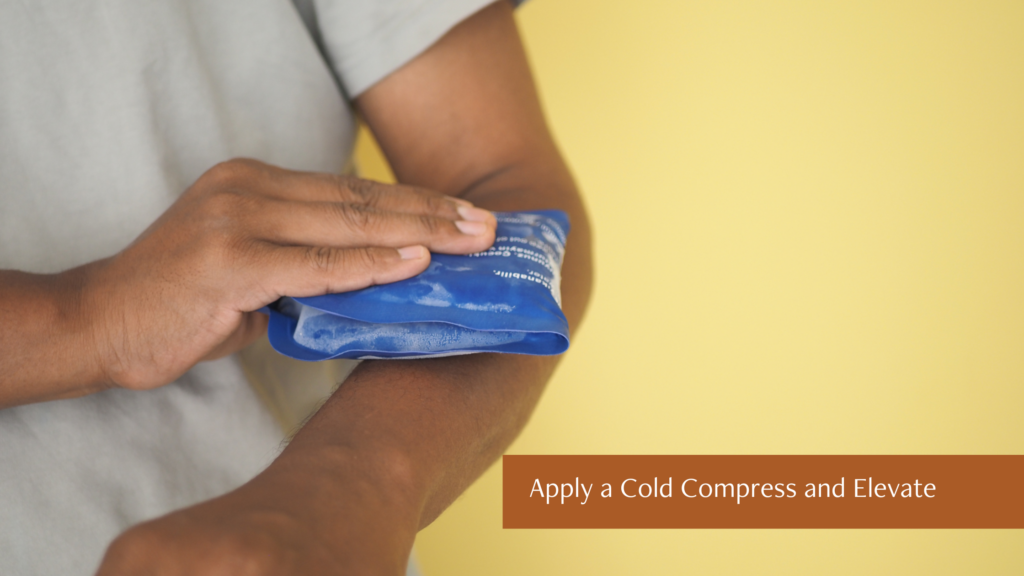
To combat the immediate pain and swelling, apply a cold pack or a cloth filled with ice to the sting area for 10 to 20 minutes at a time. This constricts blood vessels, which helps reduce the flow of venom and eases inflammation. If you were stung on an arm or leg, elevating the limb can also help minimize swelling.
3. Manage Pain and Itching
For a typical local reaction, over-the-counter pain relievers like ibuprofen or acetaminophen can help manage the discomfort. An oral antihistamine, such as diphenhydramine (Benadryl), can also be effective at reducing itching and swelling, especially for those who experience a more pronounced reaction. Always follow the product’s directions and consult a pharmacist or doctor if you have questions.
Monitoring Symptoms: Normal vs. Allergic Reactions
It’s crucial to know the difference between a normal reaction and one that requires medical attention. Reactions can vary widely from person to person.
Normal Local Reactions
Most people experience a normal, or “local,” reaction. Symptoms are confined to the sting site and typically include:
- Sharp pain or burning at the site
- A red, swollen welt
- Minor to moderate itching
These symptoms usually peak within a day or two and resolve completely within a week.
Large Local Reactions
Some individuals may have a large local reaction. This means the swelling extends far beyond the immediate sting site. For example, a sting on the forearm could cause the entire arm to swell. While alarming, these reactions are generally not life-threatening unless the sting is on the face or neck, where swelling could obstruct breathing. According to the American Academy of Allergy, Asthma & Immunology (AAAAI), these reactions tend to resolve over 5 to 10 days.
Systemic Allergic Reactions (Anaphylaxis)
The most dangerous reaction is a severe allergic reaction known as anaphylaxis. This is a medical emergency. Symptoms appear rapidly, often within minutes of being stung by a wasp, and involve multiple body systems.
Seek immediate emergency medical help (call 911) if you or someone else experiences:
- Difficulty breathing, wheezing, or a feeling of tightness in the chest or throat
- Swelling of the lips, face, tongue, or throat
- Dizziness, fainting, or a sudden drop in blood pressure
- Hives, itching, or flushing in areas away from the sting site
- Nausea, vomiting, or diarrhea
- A feeling of doom or anxiety
Anyone with a known severe allergy should carry an epinephrine auto-injector and use it as prescribed at the first sign of a systemic reaction.
Common Mistakes: What NOT to Do After a Wasp Sting
What you don’t do is just as important as what you do. Avoid these common mistakes:
- Don’t squeeze the stinger: If a stinger is present, squeezing it can release more venom into your skin. Scrape it out instead.
- Don’t scratch: Scratching can break the skin and introduce bacteria, leading to an infection.
- Don’t apply heat: Heat increases blood flow and can make swelling and pain worse. Stick with cold compresses.
- Don’t use unverified home remedies: Avoid applying things like mud, tobacco, or raw meat. They are not effective and can increase your risk of infection.*
*This article provides general information and is not a substitute for professional medical or emergency advice. Always consult a qualified healthcare provider for concerns about allergic reactions or injuries. For wasp nest removal, consult a licensed pest control professional.
How to Prevent Wasp Stings Around Your Home
The best way to deal with being stung by a wasp is to avoid it in the first place.

- Secure Food and Trash: Keep outdoor garbage cans tightly sealed. Cover food and sugary drinks when eating outside.
- Avoid Strong Scents: Fragrant perfumes, lotions, and even brightly colored clothing can attract wasps.
- Seal Your Home: Seal cracks and openings in your home’s foundation, siding, and roofline to prevent wasps from building nests inside.
- Be Aware: Regularly check common nesting spots like eaves, porch ceilings, sheds, and railings.
- Wear Shoes: Always wear footwear when walking on grass to avoid stepping on a ground-nesting wasp.
- Stay Calm: If a wasp is near you, do not swat at it. Move away slowly and calmly.
When to Call a Professional for Wasp Control
Wasp Nest Removal: What’s Qualified vs. Unqualified
If you spot a wasp nest on your property, it’s important to know which situations are cautious for treatment and which may require further inspection. Attempting to remove a nest yourself can be dangerous — especially if it’s large, hidden, or in a hard-to-reach location.
Qualified Situations (We Can Treat):
- Visible nests in eaves – Fully qualified for treatment.
- Wasps flying outside – Qualified (similar guarantee and expectations as outdoor fly control).
- Wasps inside the home – Qualified unless they are entering through vents, siding, attic spaces, or wall openings.
Unqualified Situations (Further Inspection Needed):
- Wasps coming from vents or attic spaces – Likely indicates a hidden nest; inspection required.
- Nests located on the roof – Unqualified for standard removal due to cautiously and accessibility concerns.
Our pest control experts will:
- Inspect and Identify: Determine the exact wasp species and locate the nest.
- Cautiously Eliminate the Problem: Use targeted, effective methods to control the colony.
- Prevent Future Issues: Provide recommendations to stop wasps from returning.
By understanding what’s treatable and when a deeper inspection is needed, you can ensure a cautious and effective wasp control service.Don’t wait for a painful sting to deal with a wasp problem. If you’ve seen wasp activity or discovered a nest on your property, contact us today. Our experts provide eco-friendly wasp nest removal and prevention services to give you peace of mind all season long.