
Flea Bites on Humans: Easy Ways to Identify, Treat, and Prevent Them
Discovering small, itchy red bumps on your skin is an unwelcome experience. While several insects could be the culprit, it’s often fleas, especially if you have pets. Understanding what you’re dealing with is the first step toward relief. This guide will walk you through how to identify, treat, and prevent flea bites on humans to keep your family and home comfortable and pest-free.
What Do Flea Bites on Humans Look Like?
Identifying the source of your bites is crucial for effective treatment. Fleas leave behind distinct clues that can help you pinpoint them as the cause.
Symptoms and Common Locations
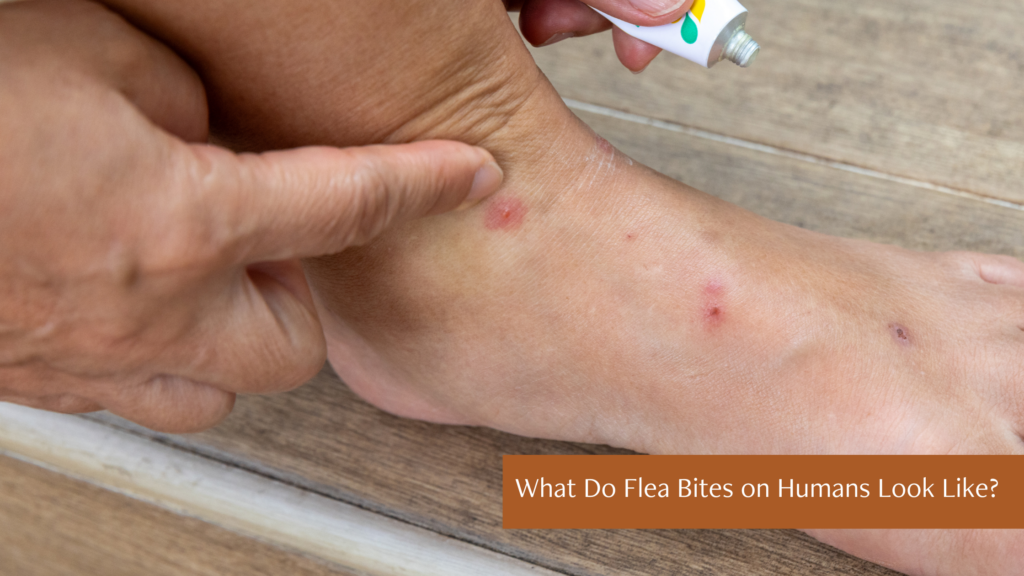
Flea bites typically appear as small, red dots with a reddish halo surrounding them. Unlike singular mosquito bites, they often show up in clusters of three or four, sometimes in a straight line. The most common symptom is intense itchiness. You will most likely find flea bites on humans around the feet, ankles, and lower legs, as these are the easiest areas for fleas to reach from the floor or from a pet. They can also appear in warm, moist areas like the bends of your elbows and knees, or around your waistline.
Flea Bites vs. Mosquito or Bed Bug Bites
It’s easy to confuse different insect bites. Here’s how they differ:
- Flea Bites: Small, very itchy red bumps, often in clusters or lines on lower limbs.
- Mosquito Bites: Raised, puffy, and pale welts that appear soon after being bitten. They are usually isolated and appear on any exposed skin.
- Bed Bug Bites: Often appear in a zigzag pattern or line. They can cause itchy welts but are most common on the upper body, including the arms, neck, and face.
Immediate Treatment and Relief
Once you’ve identified flea bites on humans, your next priority is to soothe the irritation and prevent infection.
- Wash the Area: Gently clean the bites with mild soap and water to reduce the risk of infection.
- Apply a Cold Compress: Use an ice pack or a cold cloth on the affected area for 10-minute intervals to reduce swelling and numb the itching.
- Use Over-the-Counter Remedies: Anti-itch creams containing hydrocortisone or oral antihistamines can provide significant relief from itching. Calamine lotion is another effective option.
- Avoid Scratching: As difficult as it may be, do not scratch the bites. Breaking the skin can lead to a secondary bacterial infection.
When to See a Doctor
While most flea bites are simply an itchy nuisance, some people can have a more severe reaction. Consult a healthcare provider if you experience symptoms like difficulty breathing, nausea, or significant swelling. You should also see a doctor if the bites show signs of infection, such as increased pain, warmth, redness, or pus.*
*This article provides general information and is not a substitute for professional medical or emergency advice. Always consult a qualified healthcare provider for concerns about allergic reactions or injuries. For wasp nest removal, consult a licensed pest control professional.
How to Prevent Flea Bites on Humans
The best way to deal with flea bites on humans is to prevent them from happening in the first place. This requires a multi-pronged approach targeting your home, pets, and yard.
- Treat Your Pets: Consult your veterinarian for the best year-round flea prevention medication for your dogs and cats. This is the most critical step in controlling fleas.
- Clean Your Home Thoroughly: Vacuum carpets, rugs, furniture, and pet bedding frequently. Immediately dispose of the vacuum bag in an outdoor trash can. Wash all bedding, including pet beds, in hot water weekly.
- Maintain Your Yard: Keep your lawn mowed and remove leaf litter and other debris where fleas like to hide. Consider treating your yard if the infestation is severe.
- Seal Entry Points: Prevent wildlife like raccoons or rodents, which can carry fleas, from entering your home by sealing cracks and crevices in your foundation.

How to Get Rid of Fleas for Good
A few fleas can quickly become a full-blown infestation. Eradicating them requires persistence and an integrated pest management strategy.
- Treat Your Pet: This is your first line of defense. Use a vet-recommended flea treatment.
- Launder Everything: Wash all bedding, clothing, and linens in the hottest water the fabric can tolerate.
- Vacuum Relentlessly: Vacuum every day for several weeks to capture adult fleas and their eggs. Pay special attention to baseboards, under furniture, and pet lounging areas.
- Consider Insect Growth Regulators (IGRs): For stubborn infestations, IGRs can be effective. They disrupt the flea life cycle but should be used carefully according to product instructions.
- Call for Professional Help: Sometimes, DIY methods aren’t enough. A professional pest control service can effectively eliminate a flea infestation and help you prevent future problems. Recognizing the signs of flea bites on humans is the first signal that you may need expert assistance.
Frequently Asked Questions
How long do flea bites on humans last?
The itching and redness from flea bites typically last for a few days up to a week. However, this can vary based on an individual’s sensitivity.
Are flea bites contagious?
No, the bites themselves are not contagious. However, if the fleas are still in your home, other people and pets can also be bitten.
Can fleas live on humans?
While a flea might jump onto a person to feed, they do not live on humans the way they do on furry animals. They prefer to live on pets or in your home’s carpeting and bedding. The presence of flea bites on humans is an indicator of an environmental infestation.
Are fleas more active at night?
Fleas are active day and night. They react to stimuli like heat, vibration, and carbon dioxide, which signal a host is near.
Take Back Your Home from Fleas
Dealing with a flea infestation is frustrating, and the constant threat of flea bites on humans can be stressful. While these steps can help manage the problem, a widespread infestation requires a professional solution. Don’t let fleas take over your peace of mind.Tired of fighting fleas? Let the experts handle it. Contact us today for a free inspection!